Health and Wellbeing
Pressure is a defining feature of everyday life, and people want space to feel better
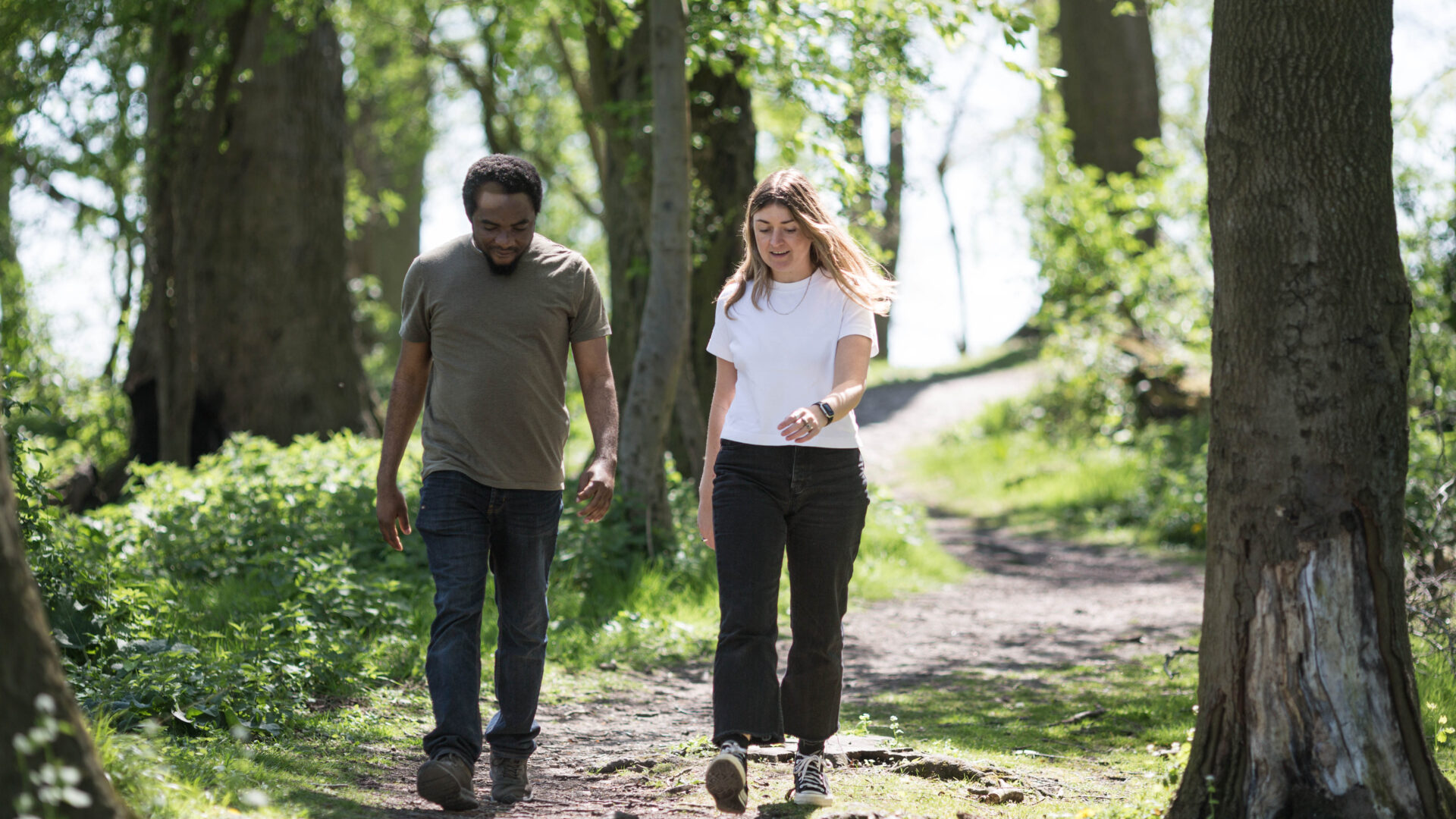
Getting outdoors and spending time in nature can support our wellbeing, helping us slow down, reset and feel more connected. What helps us feel better looks different for everyone, but many of us are looking for more opportunities to step away from the pressures of everyday life and make space for nature.
Our National Parks are creating those opportunities, working with local communities to support people with a range of needs and bring people together through activities and events that can benefit wellbeing.

The facts
People talk about needing to switch off, breathe, move and spend unhurried time with others. They value experiences that feel simple and restorative: a walk, a cycle, a quiet view, a shared activity, or a sense of achievement.
89% say reducing stress and pressure is important.
87% say improving physical health is important.
90% agree National Parks help people improve their mental health and wellbeing.
Carving out time for ourselves
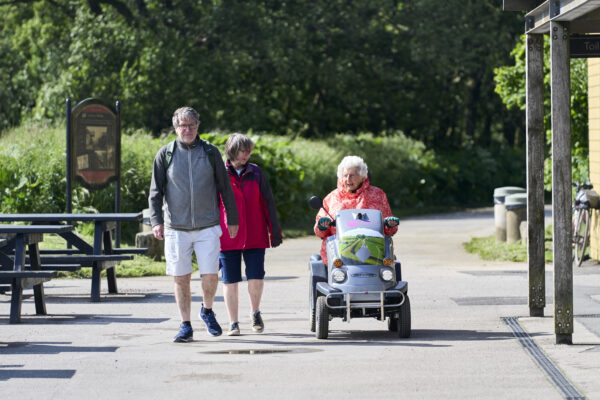
For many, the challenge is not about wanting to take part. It is finding an experience that feels possible. Confidence, transport, route information, equipment, cost and support can determine whether the outdoors feels open or out of reach.
Across National Parks, supported activities, specialist equipment and knowledgeable teams help people turn the intention to get outdoors into a real experience. The programmes differ, but the approach is shared: understand the barrier, provide practical support and give people the confidence to take part.

Cairngorms - Finding comfort and connection in nature
For people living with dementia and those who care for them, time outdoors can offer routine, companionship and a welcome connection to the world around them. At Badaguish in the Cairngorms National Park, the Outdoor Brain Health and Dementia Resource Centre has created a supportive community around those opportunities.
Developed with Alzheimer Scotland through Cairngorms 2030, the centre was the first of its kind in the UK. Its woodland setting, changing seasons and cultural heritage shape activities that can evolve with participants’ needs, including gardening, all-ability cycling, nature-inspired arts and crafts and storytelling. The sessions also support loved ones and carers. They create time to walk, meet others and share experiences, helping people feel less isolated while staying connected to nature and community. Local artists, storytellers, Able2Adventure and Cairngorms National Park Authority volunteer rangers all contribute to the programme.
Since opening in 2023, the centre has recorded more than 1,500 instances of support for people living with dementia and their carers through community events and outreach. Its influence is already spreading: an outdoor dementia resource centre has since opened at Lauriston Castle in Edinburgh.
“It’s a lovely, welcoming place in amazing surroundings which put us right at the heart of nature.” – Carer attending the Outdoor Brain Health and Dementia Resource Centre

Exmoor - Opening up the night sky
Exmoor National Park became Europe’s first International Dark Sky Reserve in 2011, protecting a place where thousands of stars and the Milky Way can be seen with the naked eye.
Its Dark Skies Festival celebrates its tenth edition in 2026 with more than 70 events, from guided stargazing and planetarium sessions to night walks and nocturnal wildlife activities. The festival inspires people to enjoy and protect the night sky while bringing visitors to local businesses and community venues during the quieter autumn season.
Year-round work with residents, businesses and public bodies also reduces unnecessary lighting, helping nocturnal wildlife while saving energy, carbon and money.
“Exmoor’s dark skies are one of the National Park’s greatest natural assets, are internationally celebrated and increasingly scarce. It allows people to understand why small changes to everyday lighting can make a big difference for wildlife, people and the special character of this place.” – Julie Colman, Rural Enterprise Coordinator at Exmoor National Park
New Forest - A natural health service
In the New Forest, improving health and wellbeing means more than encouraging people to spend time outdoors. The National Park is building connections between health professionals, community organisations and nature-based activities so that more people can benefit from the outdoors.
Through the Green Health Hub, NHS placements, wellbeing resources and partnerships with activity providers help create clear pathways into nature-based support. Opportunities range from guided walks and volunteering to inclusive cycling, self-led routes and green social prescribing.
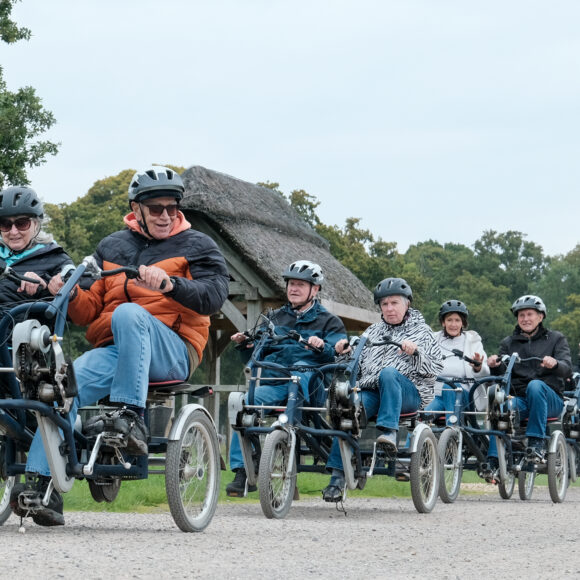
One example is PEDALL, an inclusive cycling project based in the National Park that provides around 6,000 rides each year using specialist cycles and trained ride leaders. The project helps people of different ages and abilities enjoy physical activity outdoors.
Together, these initiatives are helping more people access nature in ways that work for them, while supporting a wider vision of the National Park as part of a natural health service.
The other priorities shaping life now
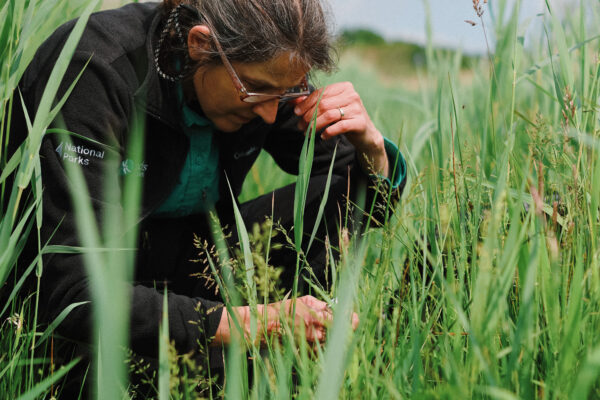
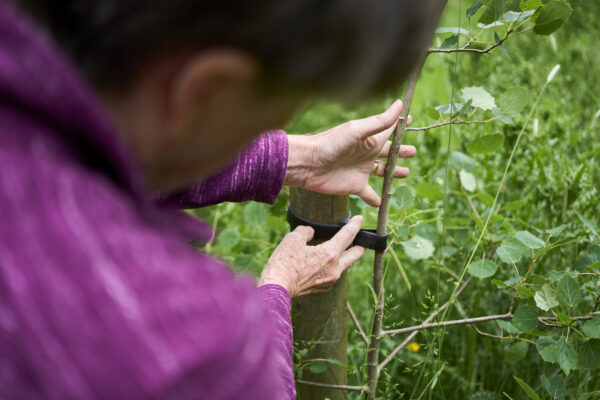
In North York Moors National Park a project that champions both the community and insects is thriving. GrubsUp! has already planted native hedgerows, restored grasslands, created ponds and improved roadside verges so insects can move more easily between isolated pockets of habitat.
Working with farmers, landowners and local volunteers, the project shows the possibilities for nature when a local community comes together.
Read more and discover more nature recovery stories on our website 🔗🌿 #NatureRecovery #NationalParks


Our research shows we care about our natural environment and are looking for ways to protect it. National Parks are places where nature recovery takes place within local communities, every day.
Programmes range from reintroducing endangered species through to conservation work to to protect and restore land.
Discover how National Parks are recovering nature by clicking the link in our bio🔗 💚
#NationalParksUK #NatureRecovery

National Parks could hold the answer to nature recovery 🌿
Every day, our National Parks are actively restoring damaged habitats, reintroducing lost species, and linking green spaces across local and landscape scales.
With work spanning the breadth of the nations, we`re an integral part of the solution to the challenges we face surrounding degraded natural environments across Great Britain.
#NationalParksUK #NatureRecovery

For people living with dementia, time outdoors can offer routine, companionship and a welcome connection to the world around them.
Developed in partnership with @Alzscot and located at @badaguish_, the centre is leading the way in supporting patients to experience the benefits of nature.
Read more about the programme and discover more health and wellbeing stories on our website💚
#NationalParksUK #Wellbeing

We know that nature helps us feel better, and even a little time outdoors can make a big difference.
From specialist programmes and guided walks to simply catching up with friends over a coffee, our National Parks offer many ways to unwind, connect and enjoy the benefits of the outdoors.
Click the link in our bio to discover how National Parks are supporting our wellbeing 🔗💚
#Wellbeing #NationalParks

💚Better health and wellbeing? National Parks could hold the answer.
Every day, our 15 National Parks across the UK help people unwind, connect with others and experience the benefits of spending time in nature.
#NationalParksUK #Wellbeing

Our new research has revealed what we`re currently concerned about the most.
We want better wellbeing. To feel part of a local community. To help nature recover, and feel prepared for what`s coming next in our changing climate.
Our new report reveals what our priorities are and how the 15 National Parks are putting solutions into action.
Read the report on our website by clicking the link in our bio 🔗
#NationalParksUK #Research

What if the solutions to some of our biggest challenges are already taking shape?
From improving our health and wellbeing and helping communities thrive to restoring nature and building climate resilience for the future, National Parks are places where answers are being found, tested and brought to life every single day.
Click the link in our bio to discover how 💚
#NationalParksUK
