Look Wild: ReNature success in South Downs National Park
-
Date posted: 27/07/2023
-
Time to read: 10 minutes
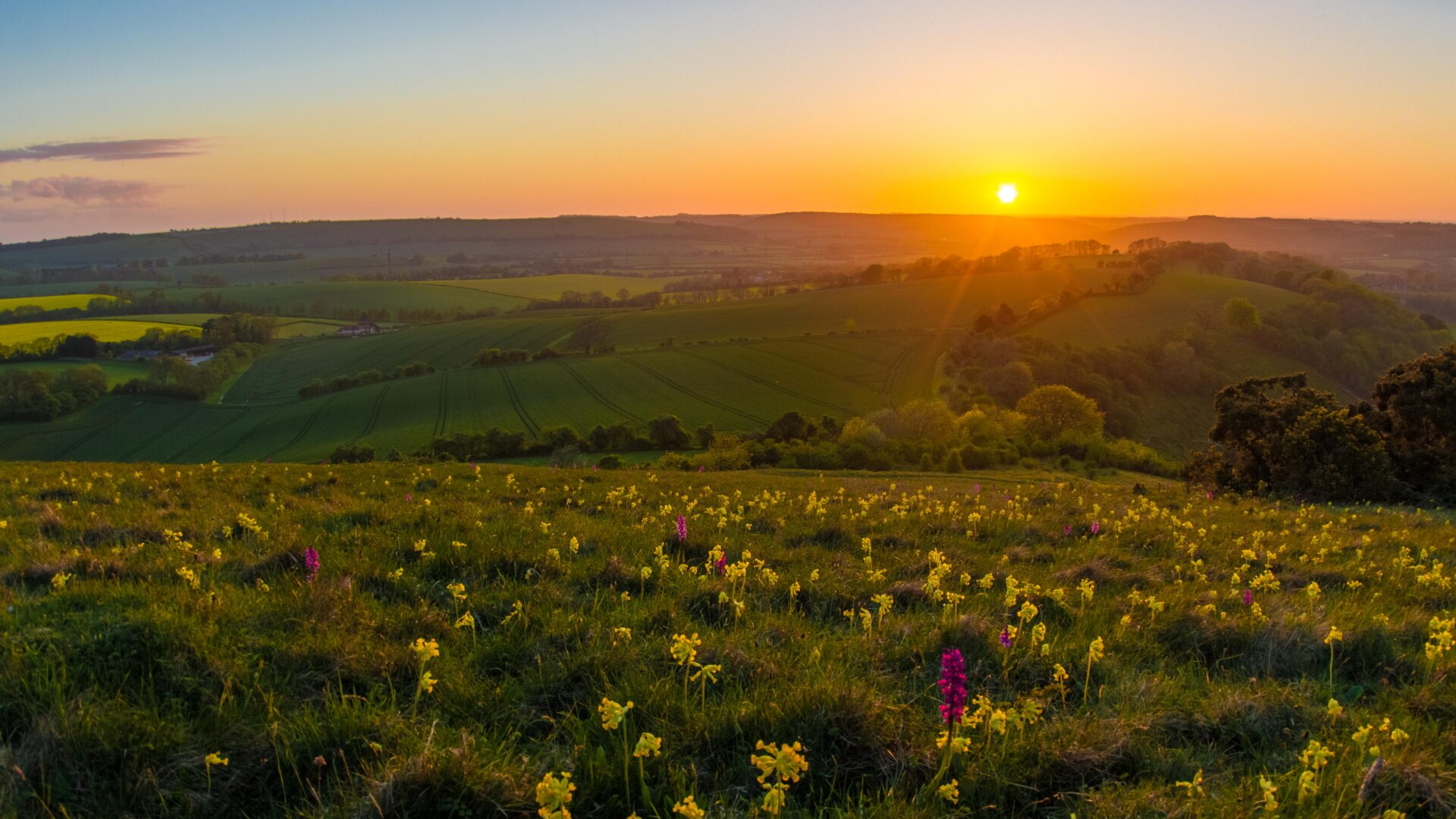
Two years ago the South Downs National Park launched an ambitious initiative called ReNature. The mission was to create nature everywhere, for everyone, and establish new wildlife havens and improve existing wildlife habitats. Fast forward to present day and some major achievements have been made.
More than £5m has been raised for nature recovery and the National Park is working on over 368 active nature recovery projects with its partners.
The initiative has already helped to create over 400 hectares of new wildlife habitat – or almost 1,000 football pitches – such as new ponds, grasslands and wildflower meadows, to help nature flourish.
In addition to newly-created wildlife havens, 4,312 hectares of existing habitat has been improved for nature – an area bigger than the city of Portsmouth. This work includes planting over 16,383 trees in the last year and creating or restoring 14 ponds which provide crucial habitat for so many of our species.
There are big plans for the future, with an additional 1,200 hectares already having been put forward for future habitat creation or secured via a ReNature Credits Scheme, and the National Park working on over 368 active nature recovery projects with its partners.
ReNature launched exactly two years ago with two primary goals:
- Increase the amount of land that is primarily managed for nature in the National Park from the current 25 per cent to 33 per cent – creating 13,000 hectares of new habitat. This goes beyond current UN-backed conservation targets of 30 per cent by 2030 (30 for 30).
- Ensure that the remaining 67 per cent of the National Park is nature-friendly by 2030 through improving existing habitats across farms, woods, rivers, towns and villages.
This month the National Park will be celebrating the ReNature initiative with a week-long festival full of guided walks, a competition and online nature-based films, running from 22 July to 30 July.
Jan Knowlson, Biodiversity Officer for the National Park, said: “We have some amazing biodiversity in the National Park, including a huge variety of butterflies, birds, reptiles and amphibians. But even here in the South Downs, nature is struggling and needs our help.
“We’re really pleased to have created this new wildlife habitat that will allow nature to start bouncing back over the coming years.
“Nature recovery takes time and this is just the start of the habitat creation and improvement we can achieve.
“Nature recovery in the South Downs National Park will not be one big ‘rewilding’ project – it will be achieved through lots of different projects, both large and small, that together create wildlife recovery. Ultimately, we want nature everywhere for everyone.”
During the ReNature festival, the National Park will be inviting the public to help nature by taking a pledge to Take Action for Nature and Climate. The pledges includes seven easy things that anyone can do such as making a home for nature, buying local, and recycling. People simply need to fill in the pledge form online before 1 September and they will be entered into a prize draw for a year’s membership to The Wildlife Trusts or a family ticket to Marwell Zoo. Visit www.southdowns.gov.uk/pledge/
Anyone visiting the National Park’s visitor centres in Midhurst or at Seven Sisters Country Park will also be able to pick up a “Pledge and Plant” postcard that is crammed with wildflower seeds. They can simply tick off the pledges as they go and then plant the postcard in the ground and watch the flowers grow!
Among the highlights of the ReNature festival will be a guided walk at Waterhall, a former golf course near Brighton where rare chalk grassland is being restored for wildlife, as well as activities for young people to get involved in conservation tasks and a butterfly walk with top expert Neil Hulme. To see the full programme of events and online activities visit www.southdowns.gov.uk/renature-festival-2023/
Jan added: “There’s something for all ages and interests and we hope the festival inspires people to take action for nature.”
The ReNature initiative is being led by the National Park Authority in partnership with the South Downs National Park Trust, the official charity for the National Park. Significant funding has been generated through donations and grants from the public and private sector, as well as National Lottery funding.
The National Park Authority held a “Call for Nature Sites” in 2021 and dozens of landowners came forward with possible sites for new habitat creation. Many are now being progressed for habitat creation over the next few years, including farms, quarries, school grounds, road verges and even golf courses.

In Loch Lomond & The Trossachs National Park, the future of its woodlands is being grown from local roots. 🌱
Across the landscape, people are coming together to help give some of Scotland’s most important woodlands a stronger future.
The work brings together local knowledge, local growing and local communities to create lasting change, helping nature become more resilient as our climate changes.
#Resilience #NationalParks #LochLomond


The impacts of a changing climate are increasingly being felt in the places around us. Our research shows that 69% of people care strongly about flooding and extreme weather.
People want to see practical action that helps prepare for the future. That means organisations preparing for future pressures, restoring damaged landscapes and working alongside communities to protect the places they value.
Discover how National Parks are building resilience for the future on our website 🔗💚
#NationalParksUK #Resilience

Our National Parks can help create a more resilient future for everyone 💚
Resilience isn’t just about responding when things go wrong. It’s about investing in nature now, restoring the landscapes we depend on and preparing for the challenges ahead.
Because whatever comes next, our National Parks can be part of the solution, helping people, places and wildlife be ready.
#Resilience #NationalParks

Everyone should have the chance to experience days like this 🌊
In Pembrokeshire Coast National Park, work is underway to make the coastline more accessible to everyone. This pioneering project shows what`s possible when engineering, partnerships and dedicated programmes come together to open up new opportunities for people to enjoy the outdoors.
The scheme now operates from 17 locations, supported by a book-and-collect service.
Read more and discover more stories of access and community from across all 15 National Parks on our website 🔗💚
#Accessibility #BeachWheelchairs #Pembrokeshire

Access looks different for everyone. For some, it`s about removing physical barriers that make taking part difficult. For others, it`s about feeling welcome, having the confidence to get involved and knowing that there’s a place for you in the outdoors.
National Parks are for everyone. Across all 15 National Parks, programmes are helping people with a wide range of needs feel included, connected and part of their local communities – from children with complex needs to people with limited mobility.
Head to the link in our bio to find out how National Parks are supporting communities and inclusivity 🔗💚
#NationalParks #Acccess #Community

Better access and stronger communities? National Parks could hold the answer 💚
Every day, our National Parks are helping more people to feel included. From breaking down barriers and building confidence, to creating more accessible routes and opening up opportunities for young people, they`re helping people connect with nature, improve their wellbeing and feel part of their communities.
#NationalParksUK #Access #Community

National Parks mean something different to all of us, but for many, they`re part of the answer to some of our biggest challenges or top priorities at the moment.
If you want to tell us about how National Parks impact your lifestyle, tell us in the comments or click the link in our bio to complete our anonymous survey. 💚
#NationalParksUK

In North York Moors National Park a project that champions both the community and insects is thriving. GrubsUp! has already planted native hedgerows, restored grasslands, created ponds and improved roadside verges so insects can move more easily between isolated pockets of habitat.
Working with farmers, landowners and local volunteers, the project shows the possibilities for nature when a local community comes together.
Read more and discover more nature recovery stories on our website 🔗🌿 #NatureRecovery #NationalParks
