Discover: how you can help to save Britain’s most endangered tree
-
Date posted: 28/07/2025
-
Time to read: 3 mins
Bannau Brycheiniog National Park is calling on the public to help identify black poplar trees across the park and surrounding areas, in a vital effort to protect this rare native species from extinction.
Britain’s most endangered native tree, the black poplar (Populus nigra subsp. betulifolia), is vanishing from our landscape. Once a familiar sight along floodplains and riverbanks, it is now estimated that fewer than 7,000 native black poplars remain across the UK.
In Wales, the situation is even more critical, with only 200 black poplars left, only a handful of which are female.
A collaboration between Bannau Brycheiniog National Park, Stump Up for Trees, Woodland Trust and National Trust, funded through Sustainable Landscapes Sustainable Places, is working to protect and conserve this important tree. The group have also been working closely with Herefordshire Wildlife Trust and colleagues in Eryri National Park.
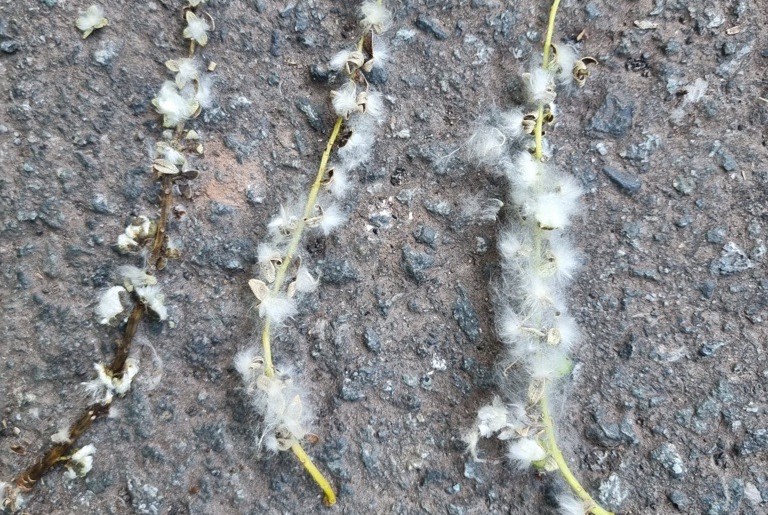
The decline of the black poplar is largely due to the loss of its female trees.
Historically, female black poplars were removed to prevent the spread of their distinctive fluffy seeds, drastically reducing the species’ ability to naturally regenerate.
Changes to floodplains and waterways have also impacted seed germination, whilst the demand for timber has led to the loss of hundreds of trees. The introduction of hybrid poplars has further weakened the native population, with the species now at risk of disappearing from our countryside.
But we still have time. Sam Harpur, Bannau Brycheiniog’s Woodland Officer said: “Through this collaboration, we are mapping and recording existing black poplars in the National Park and surrounding areas. Cuttings, especially from female trees, are being grown at nurseries like those at Penpont Estate, funded by the Brecon Beacons Local Nature Partnership, to ensure the replanting and long-term conservation of this species.”
How you can help
To support conservation efforts, we are asking the public to report any black poplar sightings. Mapping these rare trees is a crucial step in protecting them for future generations:
- Take a photo
- Record the location
- Send your sighting to Samuel Harpur at Bannau Brycheiniog National Park
How to spot a black poplar
Identifying a black poplar can be tricky, but here are some key features:
- Fluffy cotton-like seeds on female trees in spring/summer
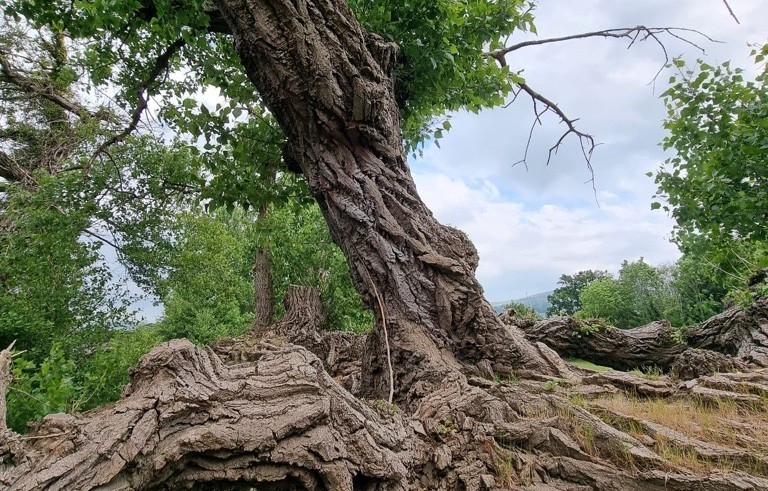
- Rough, fissured bark
- Often leans to one side
- Lower branches droop in an arch
- Burrs (large growths) are common
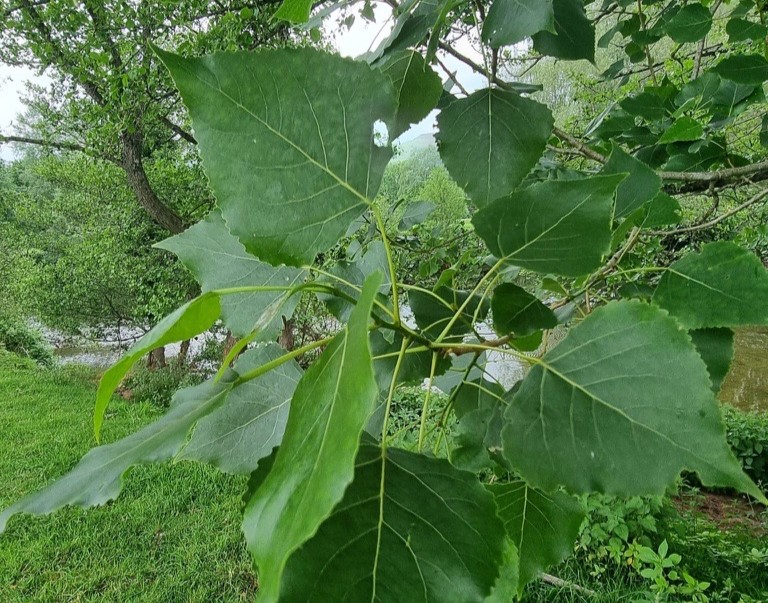
- Young leaves have hairy petioles (use a magnifying glass!)
- Male trees have red catkins, female trees have green catkins
By helping us locate black poplars you’ll play a vital role in their conservation, ensuring that future generations can enjoy this important part of our natural heritage.
👻 Strange sights and spooky stories await in the @Southdownsnp
From mist-shrouded woods and twisted trees to castles beneath the moon, the National Park is home to many eerie spots.
And across our 15 National Parks, there are tales that have endured for centuries, legends still passed down today, and histories with dark chapters.
📸
Ghost in South Downs - Luis Fernando Mancilla
Iping tree - Richard Murray
Harvest moon - Andrew Gambling Photography
Devil’s Dyke - Sam Moore
Stamner Park - Finn Curry
#SouthDowns #Halloween #NationalParks


🎉 Happy Exmoor Day, @exmoornp!
Today, Exmoor National Park celebrates years of connecting people with nature, wildlife and the great outdoors.
From England’s largest wild red deer herd and native ponies to Europe’s first International Dark Sky Reserve and dramatic landscapes, Exmoor is a place full of life, history and discovery.
Its landscapes, wildlife and historic villages bring people closer to nature and create opportunities to explore, connect and enjoy the benefits of being outdoors.
Here’s to Exmoor – and many more adventures to come! 💚
#Exmoor #ExmoorNationalPark #NationalParksUK

Happy birthday @parc_eryri 🎂
From its towering peaks and sweeping valleys to its rich heritage, Eryri (Snowdonia) is a place that means so much to so many people.
It`s a landscape full of stories, shaped by generations of people and home to some of Wales` most treasured places, from the summit of Yr Wyddfa to the quieter corners.
Today, we`re celebrating everything that makes Eryri unique, from the people and traditions that give it its character to the ongoing work to protect its landscapes and wildlife.
Share your favourite memories of Eryri in the comments! 💬
📸Ogwen Valley, Snowdonia @cinqueportsphotography
#Eryri #EryriNationalPark #TheAnswerIsNationalParks

Autumn is a chance to give nature a helping hand. 🍂
From leaving fallen leaves to providing food for birds, small actions can make a big difference to the world around us.
Here are some of the ways to help nature this season.
#NatureRecovery #Autumn #NationalParks

An ancient wall almost 2,000 years old, and a catch-up with your mate? ✅
Historic landmarks like Hadrian’s Wall in Northumberland National Park have been connecting people for centuries.
While that connection looks very different today from the wall’s original role as a Roman defensive fortification, it’s still a place where people come together and explore history.
Because our National Parks are about so much more than great places for a day out. They’re places to connect with friends, clear your head, get active and learn about history, all in one place.
#Northumberland #HadriansWall #NationalParksUK

They’re more than just pretty places. 🌳
Our National Parks are home to some incredible trees, from ancient giants to England’s tallest tree.
Swipe through for a few #WildFacts about the trees growing across our 15 National Parks.
#NationalParksUK #Trees #Woodland

National Parks are places where animals make their homes, people catch up over coffee, and we pause to marvel at the dark skies above.
Places to connect, discover and look a little closer.
We’d love to see your images of autumn in action in a National Park. Tag us or use the hashtag #AutumnInAction 🧡
#NationalParks #Autumn

What if Middle-earth’s Rangers had more in common with National Park Rangers than we might think?
Of course, our National Park Rangers have a little less to worry about than Aragorn and his fellow Rangers.
But they do both know their landscapes well, protect the places they love and guide others to find their way.
Across the UK’s 15 National Parks, our Rangers are taking action every day. They may not be defending the Shire from the forces of darkness, but they certainly do an incredibly important job. 💚
#MiddleEarth #Rangers #NationalParksUK
