Wildfires: Coming together to look after the places we love
-
Date posted: 26/08/2026
-
Time to read: 2 mins
Our National Parks are living and working places where people come to enjoy the outdoors, connect with nature and spend time with friends and family. This summer, exceptionally hot and dry conditions increased the risk of wildfire across parts of the UK.
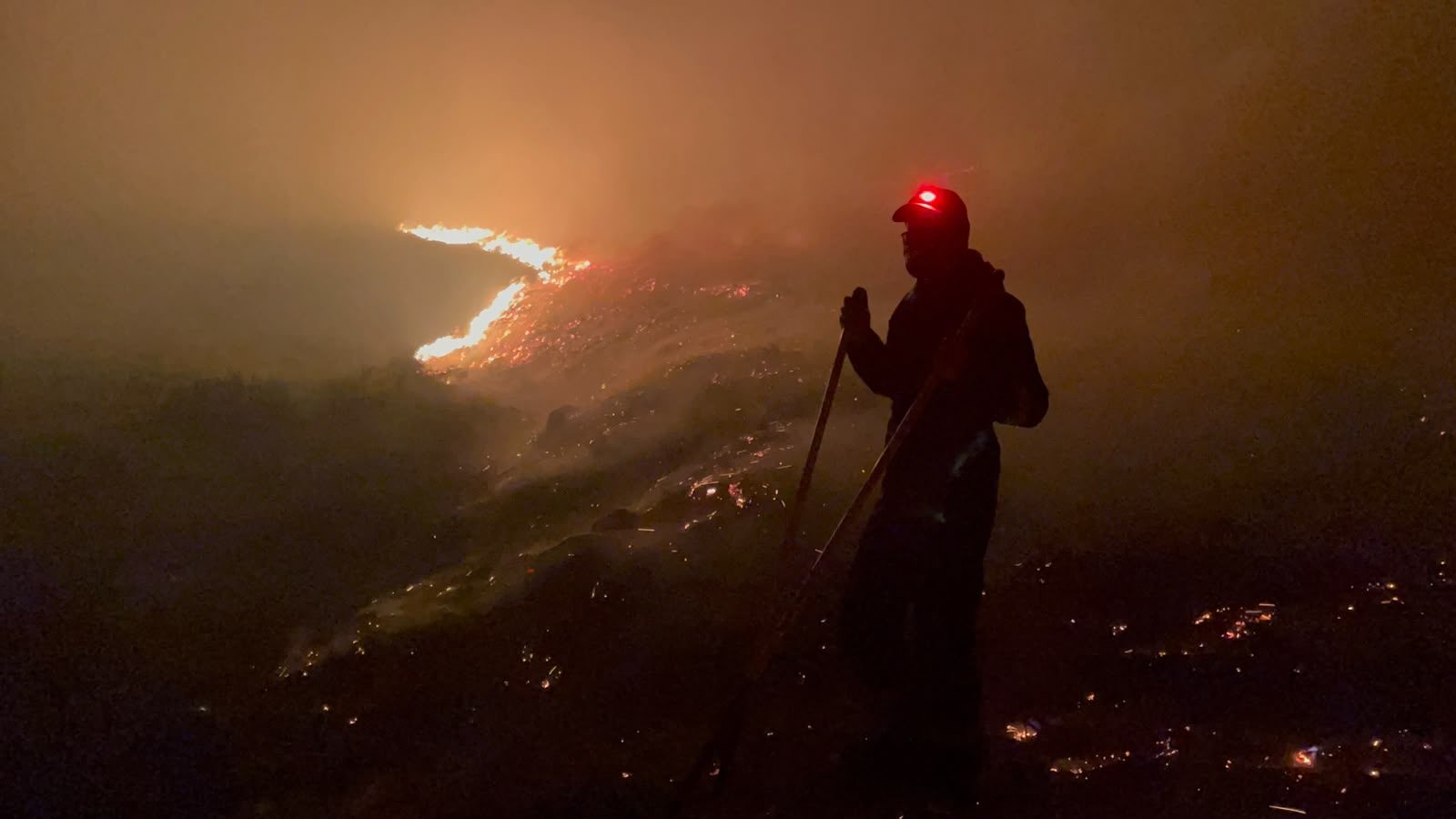
Several National Parks have experienced fires or periods of very high fire risk this summer, including the Cairngorms National Park, where a significant wildfire has affected parts of Glenmore and Strath Nethy.
Across the country, we’ve seen particularly high temperatures this summer. Wildfires can move quickly in dry conditions, and when they spread, they affect wildlife, habitats, farmland, homes and the people who live and work in National Parks. But this summer has also shown the huge amount of care that goes into protecting these places, from firefighters and emergency services to National Park staff, land managers, local businesses and communities.
A team effort
Over the course of recent wildfires, fire and rescue services have worked closely alongside National Park teams and other partners, including land managers, police, forestry organisations and local authorities.
Communities also play an important part. When areas need to close temporarily, local people and businesses can be affected too, and keeping everyone informed helps people make safe decisions while emergency crews do their work. We’ve seen this kind of collaboration happening across the National Parks this summer, helping people respond quickly and safely when conditions become challenging.
While every wildfire is different across our landscapes, the response is much the same – it relies on people with different skills and knowledge to come together to protect people, nature and places.
Learning for the future
With extensive vegetation and open landscapes, many National Parks face an increased risk of wildfires during prolonged periods of hot and dry weather.
As the climate changes, periods of high wildfire risk are becoming an increasingly important consideration for those caring for our National Parks.
That means thinking not only about how we respond when a fire starts, but also about what we can do before one happens.
Across the National Parks, work to manage vegetation, maintain firebreaks, restore habitats, improve preparedness and understand how different landscapes respond to fire is taking place.
Following a wildfire, recovery can also take time, with teams working to protect damaged habitats and prevent further erosion or degradation. These projects, preparations and efforts take time, resource and skills from a range of partners and experts. The fact that so many people give their time every day to help protect our National Parks shows just how deeply these places are valued by the communities that know, work in and care for them. .
Looking after National Parks together
Wildfires bring huge challenges, but they also remind us about something fundamental about our National Parks: they are cared for by people and rely on members of the community to continue to protect and look after them.
Behind every landscape in the summer are firefighters ready to respond, rangers and land managers working to protect habitats, communities looking out for their neighbours and people making small choices that can help prevent fires from starting.
Everyone has a role to play, from reporting signs of fire to following local guidance during periods of high wildfire risk.
This summer has brought real challenges for many National Parks. But it has also highlighted the commitment of people and organisations who work together to protect them. As recovery continues, that same spirit of collaboration will play an important role in helping affected landscapes and habitats recover over time.
In Loch Lomond & The Trossachs National Park, the future of its woodlands is being grown from local roots. 🌱
Across the landscape, people are coming together to help give some of Scotland’s most important woodlands a stronger future.
The work brings together local knowledge, local growing and local communities to create lasting change, helping nature become more resilient as our climate changes.
#Resilience #NationalParks #LochLomond


The impacts of a changing climate are increasingly being felt in the places around us. Our research shows that 69% of people care strongly about flooding and extreme weather.
People want to see practical action that helps prepare for the future. That means organisations preparing for future pressures, restoring damaged landscapes and working alongside communities to protect the places they value.
Discover how National Parks are building resilience for the future on our website 🔗💚
#NationalParksUK #Resilience

Our National Parks can help create a more resilient future for everyone 💚
Resilience isn’t just about responding when things go wrong. It’s about investing in nature now, restoring the landscapes we depend on and preparing for the challenges ahead.
Because whatever comes next, our National Parks can be part of the solution, helping people, places and wildlife be ready.
#Resilience #NationalParks

Everyone should have the chance to experience days like this 🌊
In Pembrokeshire Coast National Park, work is underway to make the coastline more accessible to everyone. This pioneering project shows what`s possible when engineering, partnerships and dedicated programmes come together to open up new opportunities for people to enjoy the outdoors.
The scheme now operates from 17 locations, supported by a book-and-collect service.
Read more and discover more stories of access and community from across all 15 National Parks on our website 🔗💚
#Accessibility #BeachWheelchairs #Pembrokeshire

Access looks different for everyone. For some, it`s about removing physical barriers that make taking part difficult. For others, it`s about feeling welcome, having the confidence to get involved and knowing that there’s a place for you in the outdoors.
National Parks are for everyone. Across all 15 National Parks, programmes are helping people with a wide range of needs feel included, connected and part of their local communities – from children with complex needs to people with limited mobility.
Head to the link in our bio to find out how National Parks are supporting communities and inclusivity 🔗💚
#NationalParks #Acccess #Community

Better access and stronger communities? National Parks could hold the answer 💚
Every day, our National Parks are helping more people to feel included. From breaking down barriers and building confidence, to creating more accessible routes and opening up opportunities for young people, they`re helping people connect with nature, improve their wellbeing and feel part of their communities.
#NationalParksUK #Access #Community

National Parks mean something different to all of us, but for many, they`re part of the answer to some of our biggest challenges or top priorities at the moment.
If you want to tell us about how National Parks impact your lifestyle, tell us in the comments or click the link in our bio to complete our anonymous survey. 💚
#NationalParksUK

In North York Moors National Park a project that champions both the community and insects is thriving. GrubsUp! has already planted native hedgerows, restored grasslands, created ponds and improved roadside verges so insects can move more easily between isolated pockets of habitat.
Working with farmers, landowners and local volunteers, the project shows the possibilities for nature when a local community comes together.
Read more and discover more nature recovery stories on our website 🔗🌿 #NatureRecovery #NationalParks
