Who looks after National Parks?
National Parks are vast spaces.
Farmland, towns, villages, nature reserves, rivers, lakes, valleys, beaches and mountains. Lots of people and organisations help to look after them. While National Parks are “protected landscapes”, they are also managed landscapes – and a network of custodians each play their part in making them special.
Did you Know?
Custodians of the land
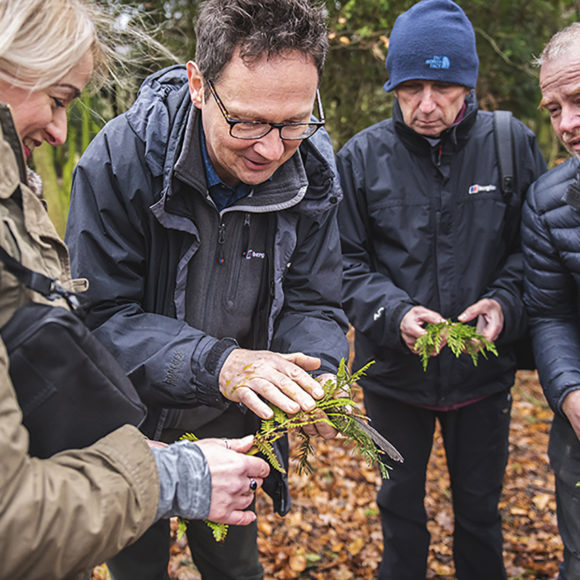
Farmers, foresters, and local communities are integral to National Parks.
The land within the boundaries of National Parks is owned by a variety of people and organisations. Each plays a vital role in the conservation and enhancement of these treasured landscapes.
National Park Authorities
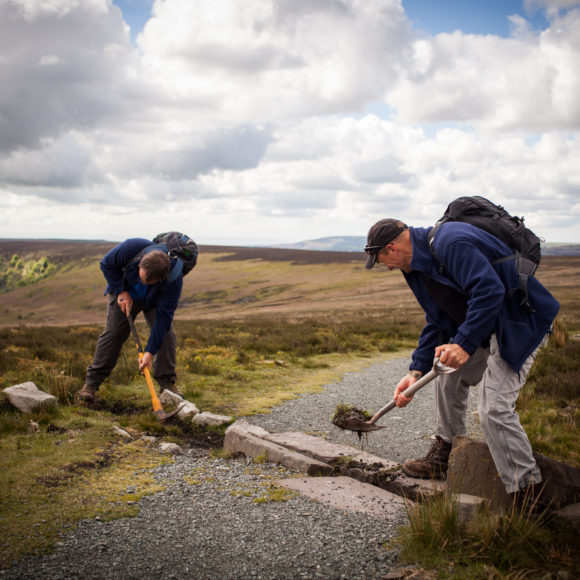
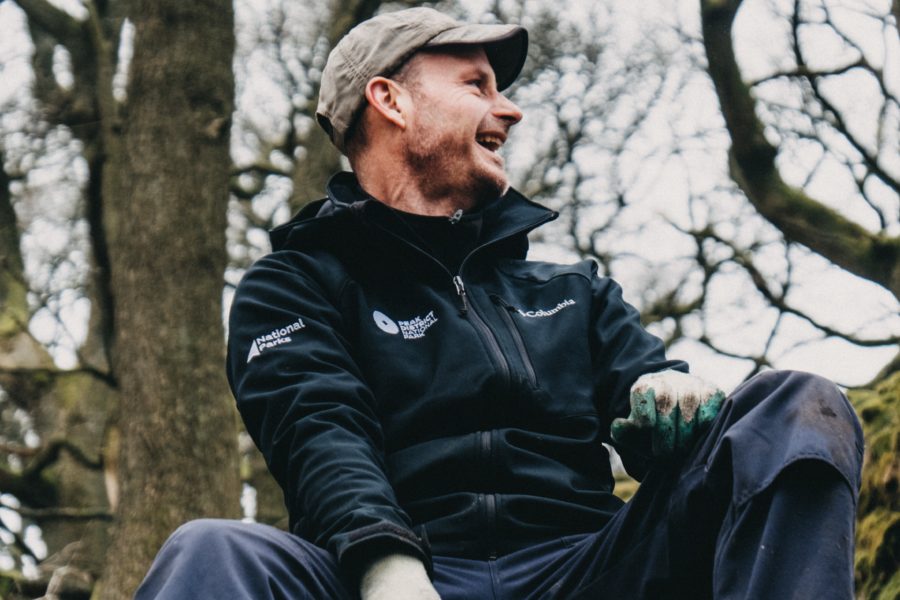
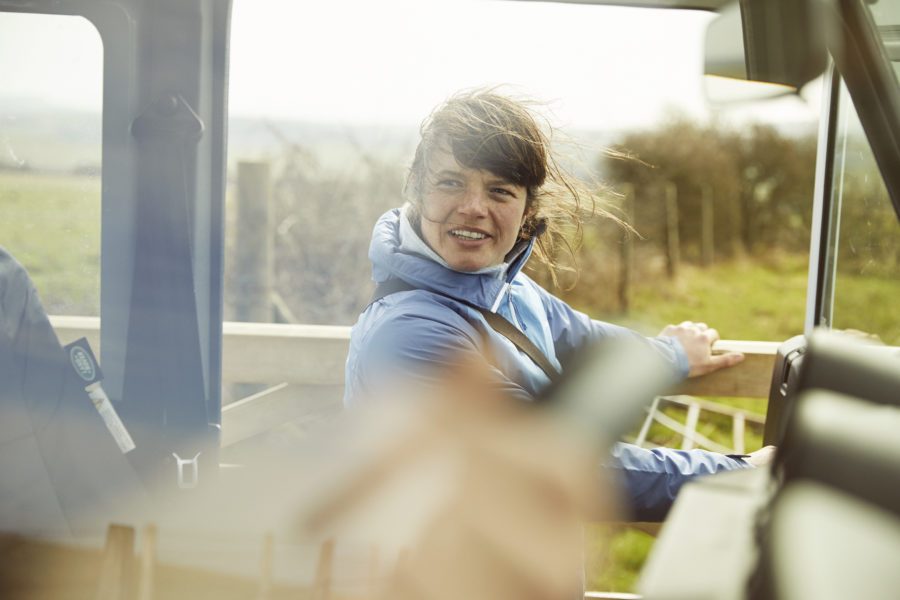
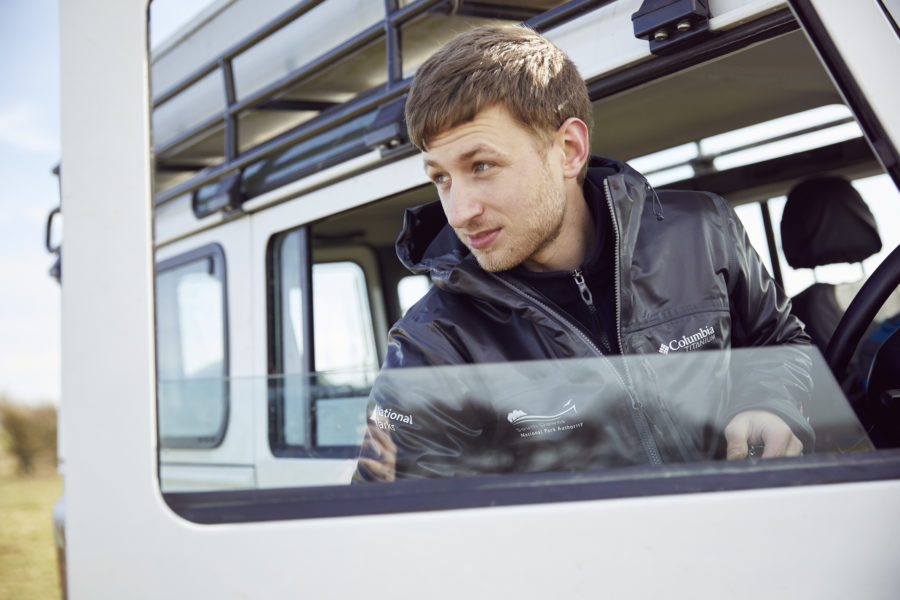
Each National Park is looked after by an organisation called a National Park Authority, which includes members, staff and volunteers.
Each National Park authority employs between 50 to 200 members of paid staff. The roles are incredibly varied, with a mix of those out in the field such as rangers and guides, and those working in offices on duties such as planning and administration.
Members
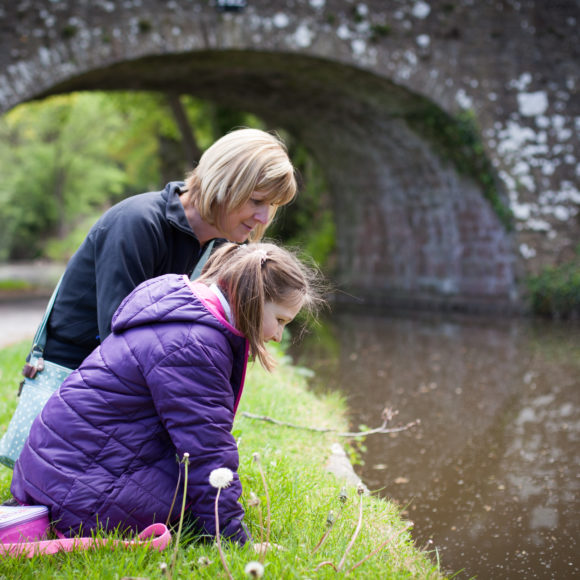
National Park authorities have between 10 and 30 Board members and one chairman (called a Convenor in Scotland) who represents them. The members take advice from staff and make decisions about what the National Park authority should do. Members do not work for the National Park authority full time.
Most of the members come from local and parish councils in the National Park. Some members are appointed by government because they have specialist knowledge and experience in areas like the environment or rural communities.
Volunteers
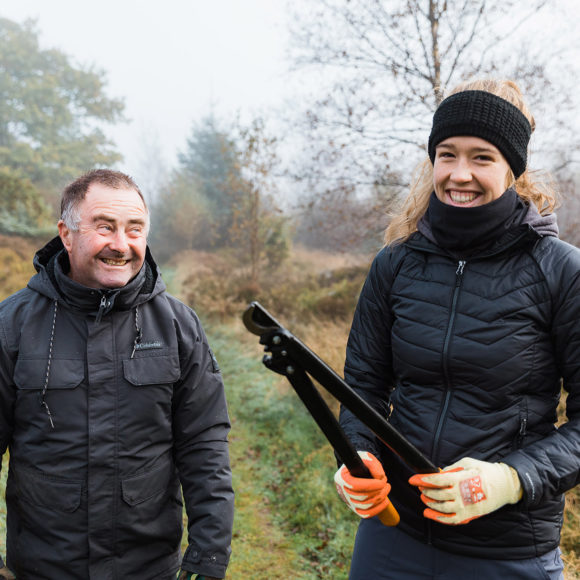
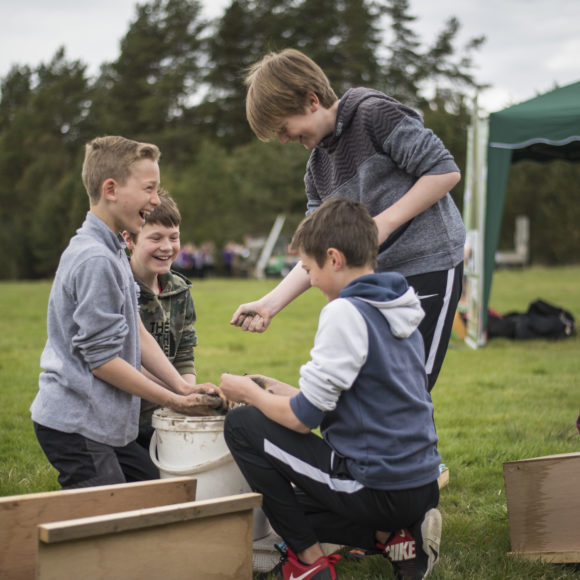
Volunteers are the lifeblood of National Parks and so much is achieved because of their dedication and commitment.
People like to volunteer for National Parks because they get to be outside in beautiful countryside, mix with other people, keep fit and know that they are helping to look after these precious landscapes.
Our volunteers do lots of different jobs, such as leading guided walks, fixing fences, dry stone walling, planting trees, checking historic sites and surveying wildlife.
Partners
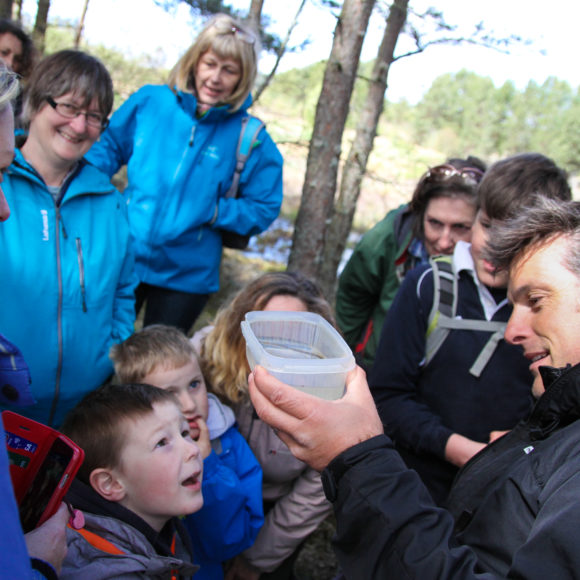
There are lots of organisations that work to protect natural and cultural heritage and many of them own land within National Parks.
The National Trust and the Forestry Commission own large areas of moorlands and woodlands. Other organisations like the RSPB, the Wildlife Trusts, the Woodland Trust, English Heritage and NatureScot own nature reserves and historic sites within National Parks.


National Parks UK
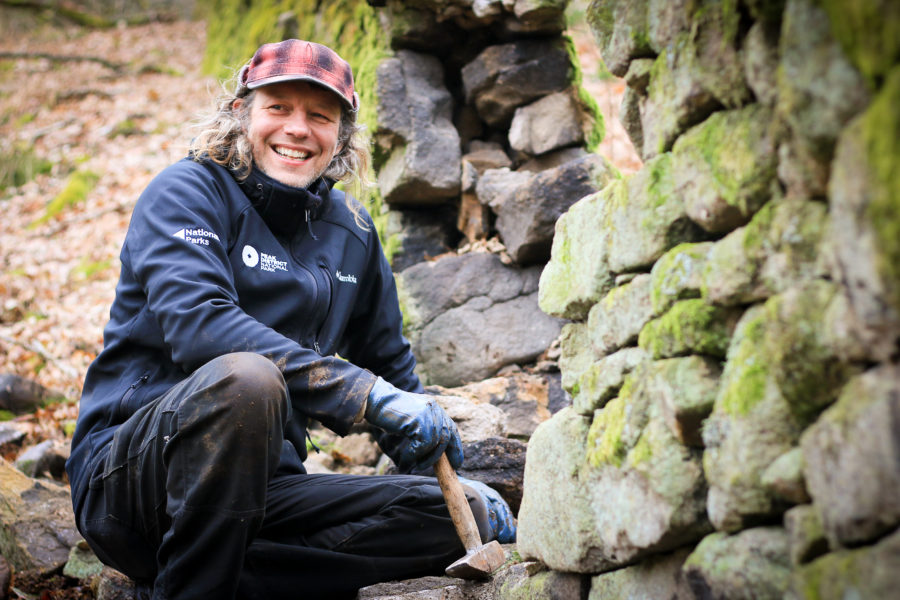
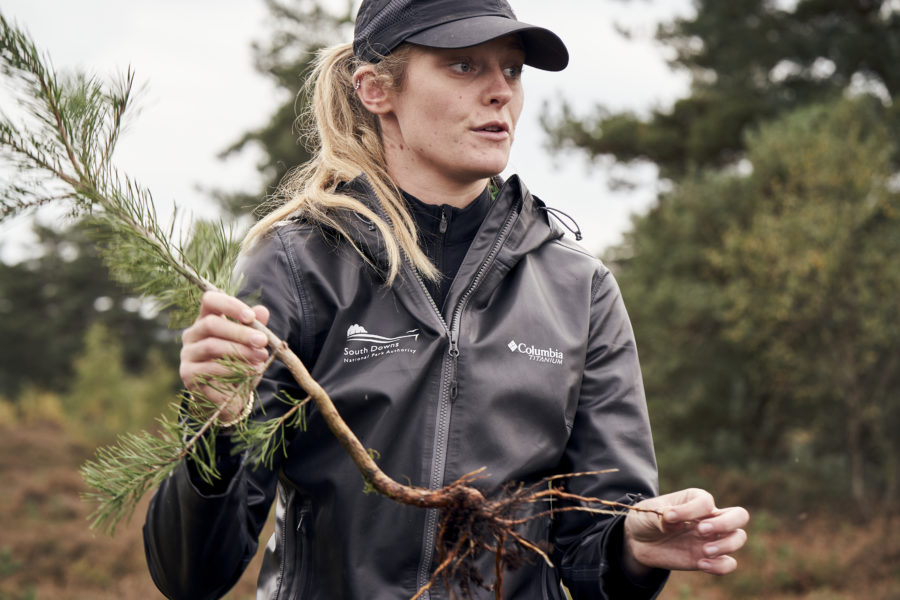
National Parks UK brings together the 15 National Park Authorities in the UK to raise the profile of the National Parks and to promote joint working.
Find out more
What is a National Park? , Find out more
Some of the basics about what makes a National Park special.

Our work in National Parks , Find out more
More about our work in National Parks.

History of National Parks , Find out more
The story of the creation of the UK's National Parks.
💭You might have heard of biodiversity, but what does it actually mean?
It’s the variety of life around us from plants and insects in a meadow to birds, mammals, fungi and the tiny organisms we can’t even see.
But it’s not just a list of species - it’s the intricate web of relationships between them, and our National Parks are home to an incredible diversity of life.
Protecting biodiversity means protecting that web of life.
📸 An adder in @southdownsnp by Simon Watkins.🐍
#Biodiversity #NatureLovers


Could spending more time among trees be good for us?🌳
Research into forests suggests natural compounds called phytoncides could promote a sense of wellbeing and that time spent in woodlands can help decrease feelings of stress and anxiety.
Forest bathing is the Japanese practice of shinrin-yoku - which translates as ‘forest bath.’ It’s all about immersing ourselves in nature. Not to get steps in. Not to reach anywhere. Just to feel, be still and be present.
And our National Parks can certainly help. From pine forests and wooded valleys to ancient trees. Our parks are helping people to slow down and reconnect with the natural world every day.
Have you ever tried forest bathing? Tell us below👇
1. Stanmer Woods - @southdownsnp
2. Whinlatter Forest - @lakedistrictnpa
3. Cairngorms National Park @cairngormsnationalpark
4. North York Moors National Park @northyorkmoors
#Mindfulness #ForestBathing #Wellbeing #NationalParks

Has the rain reached you yet? 🌧️
A change in the weather is making its way across our National Parks. And with it comes a different rhythm to the landscape - changing how our surroundings look, sound and feel.
The sound of rain. The smell of wet earth. The air feeling fresher. Wildlife finding shelter.
What do you notice most when the rain arrives?
#RainyDay #BritishWeather #NationalParksUK

They may look like windmills, but in The Broads National Park, they are actually windpumps.
Rather than grinding flour, they were built to pump water from the marshes, helping to drain the land for agriculture and grazing.
Today, these distinctive structures are part of what makes the Broads landscape so recognisable.
And while this is a story from the Broads, it’s one that can be found across all 15 of our National Parks - landscapes shaped by people finding ways to adapt to live and work within their landscape. Something which still remains the case today.
Did you know that one of these mills is said to be haunted? Comment down below which one you think it is 👇
In photograph order:
📍1. St Benets Mill
📍2. Horsey Mill
📍3. Turf Fen Mill
📍4. Thurne Mill
📍5. Bograve Mill
#NorfolkBroads #NationalPark #Windpumps

✨🌙 Look up!
With a partial solar eclipse taking place tonight across the UK, we’re reminded about how important it is for our dark skies to be protected. Our National Parks are home to some of the best places in the UK to enjoy them, due to low levels of light pollution.
These incredible photos capture another recent celestial phenomenon that has been on display for stargazers and is peaking tonight - the Perseid meteor shower.
The sightings were captured in @northyorkmoors - home to one of the UK’s largest areas of protected dark sky.
🌟Tag us in your eclipse photos across our National Parks. Just be sure to follow safe viewing and photography guidance while you snap!
📷 1. Perseid meteor shower at Skelton Tower by Richard Horsman.
📷 2. Milky Way and Perseid meteor shower at Sutton Bank by Russ Norman.
📍North York Moors National Park #DarkSkies #SolarEclipse #Perseid #MeteorShower

Just goats being goats. 🐐
These incredible animals call the Valley of Rocks in @exmoornp home - scaling walls and cliffs, grazing on the rich meadows and, occasionally, blocking the roads!
They’re a wonderful reminder of why our National Parks are so important, providing a home for such a diverse range of wildlife.
Have you ever spotted one?
📷 Exmoor National Park
#ValleyOfRocks #Exmoor #Goats #NationalPark

Look out for us at the cinema. 🎬🌳
Our latest Wild Spaces episode, screening before selected films, takes you to Northumberland National Park. Their team, alongside farmers, landowners and volunteers, is working together to create healthier, more resilient landscapes through woodland creation and hedgerow planting.
It’s a story of partnership, long-term thinking, and the small actions that can have a lasting impact.
Find out more about the project and watch the episode via the link in our bio. 🔗
@northumberlandnationalpark
#WildSpaces #Northumberland #TreePlanting

💭You might have heard of peatland, but what exactly is it and why does it matter so much?
Peatlands are our natural climate allies. They store vast amounts of carbon, support rare wildlife, improve water quality, reduce flood risk and preserve thousands of years of archaeological and cultural history.
Some of the UK`s most important peatlands are found within our National Parks, making them critical places for tackling the climate and nature crises.
Across the UK`s National Parks, peatland restoration projects are helping damaged peatlands recover, benefiting both nature and people.
📍Dartmoor National Park
#NationalParks #Peatlands #NatureRecovery
