Net Zero With Nature
Net Zero With Nature
Net Zero With Nature (NZWN) is the collective strategy of the National Parks in the fight against climate change and the biodiversity crisis. It’s about creating virtuous circles between people and place, society and the environment. We work with nature to enhance it. We maximise the impact and scale of this by creating new and innovative economic and social models that allow the largest number and widest variety of partner organisations to join, enhance and grow this work. These models are sustainable in the broadest sense: by being rewarding for landowners, investors, residents, visitors, our landscapes and their habitats.
There are three elements to the NZWN strategy:
-
Revere : Investing in Natural Capital
-
Collaborative Restoration Projects
-
Climate Emergency Leadership
Scroll down to learn more about each of these.
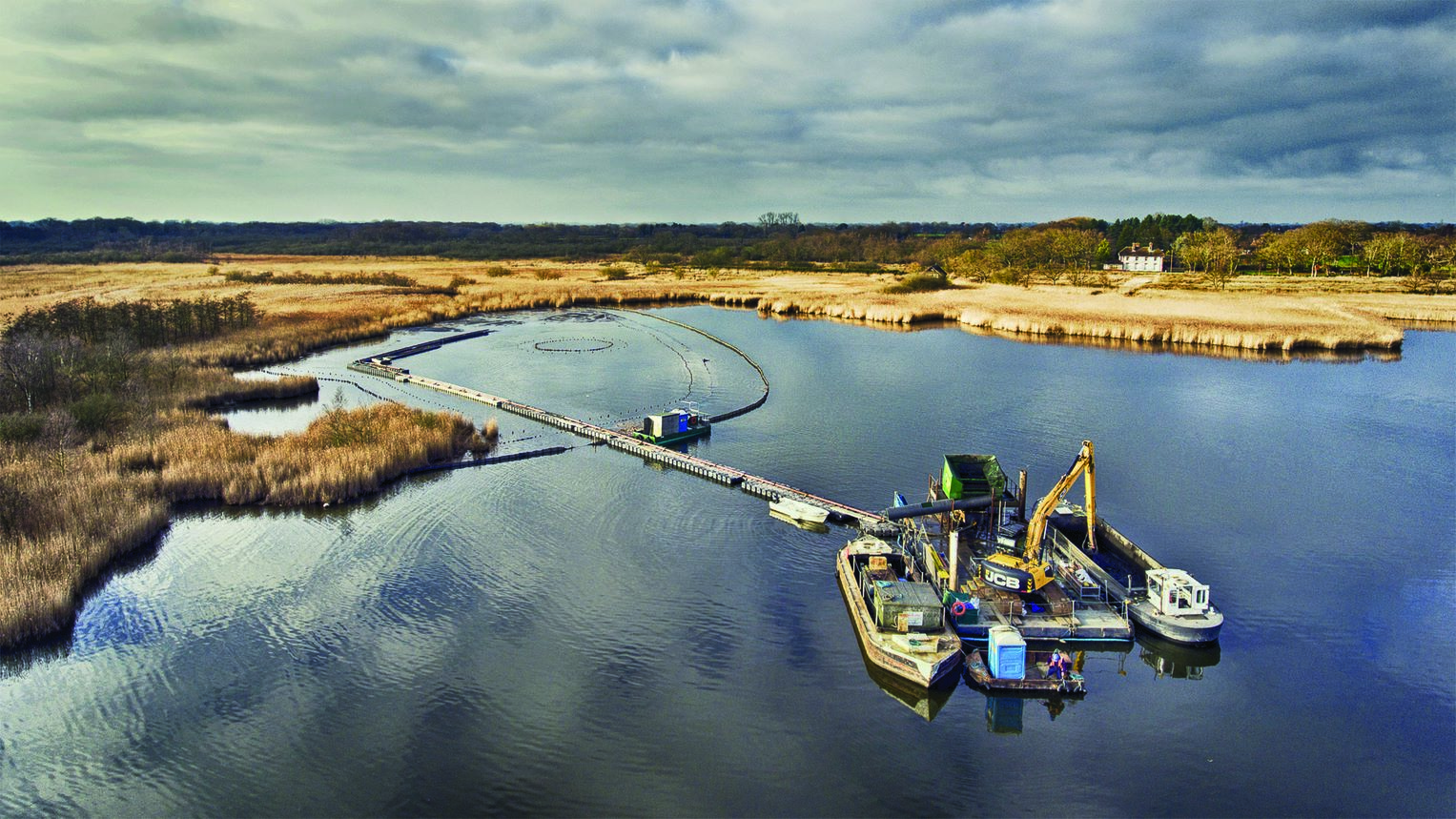
Revere is a collaboration between UK National Parks and Palladium that aims to raise private capital to fund nature restoration in National Parks. It designs and delivers scalable Nature-based Solutions (NbS) projects that will restore degraded peatlands, grasslands, woodlands and wetlands, through the sale of monetisable ecosystem services. These include: carbon credits, biodiversity outcomes, natural flood risk management outcomes and water quality outcomes.
Revere is a first of its kind project development facility. It was created by National Parks UK in partnership with Palladium, a positive impact company that works around the globe with corporations, governments, investors and communities on nature restoration. £239m of nature restoration projects in UK National Parks have been identified for funding through Revere. Five nature restoration pilots were launched in 2021, with a total of 14 now underway.
To find out more about Revere visit the website.
If you are a landowner that is interested in finding out how Revere can help generate funds for your nature restoration work, or a company that wants to support or invest in UK nature restoration, or would like to register your interest in buying high quality UK-generated carbon credits while helping nature in National Parks, please contact us.
Collaborative Restoration Projects seek to maximise the scale and pace of nature restoration through collaboration. This happens in three main ways:
Collaborative Restoration Projects might include more than one National Park or National Parks working with other designated landscapes and organisations to restore large areas of land that run across boundaries. For example, the Great North Bog and the Nature Recovery Network.
Collaborative Restoration Projects might be co-created with funders and landowners specifically for one National Park. For example, ReNature in South Downs National Park.
Collaborative Restoration Projects might help leverage public funding to support restoration projects by specific landowner groups within National Parks. E.g through Farming in Protected Landscapes (FiPL), Environmental Land Management Schemes (ELMs) or Lottery Funding.
Below are just four examples of the sort of nature restoration work taking place across the 15 National Parks
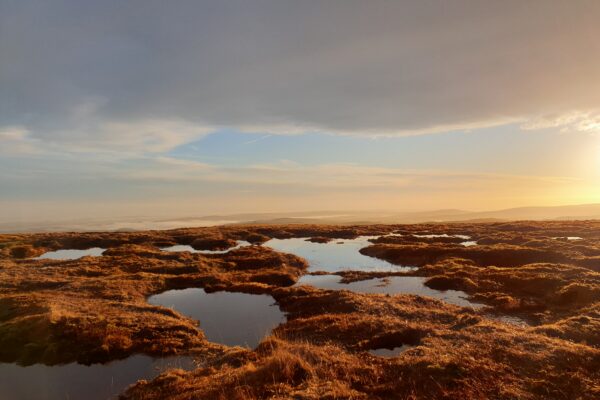
Dartmoor Peatland , Restoration Project (opens in a new tab)
Dartmoor National Park has 31,500ha of peatland – roughly the size of 77,000 football pitches – and around 40% of South West Water’s daily water supply comes from its uplands. Thanks to vital ongoing restoration work peat-forming bog plants like sphagnum moss can recolonise helping the peat to lock in and store carbon. The re-wetted peat soils will retain water and carbon, essential for all life, and these peatlands will begin to form again, improving habitats. By the end of the current phase, over 300ha of peatland will be restored in Dartmoor. Bringing the total completed to 372ha of restored peatland. Thanks to work like this, RSPB data shows Dunlin numbers have increased by 38% since restoration work started and the levels of water the bogs are holding has increased by 9cm since 2014.
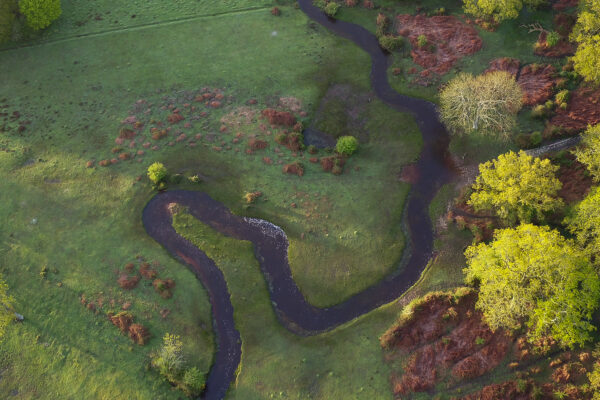
New Forest Rivers , Restoration Project (opens in a new tab)
The New Forest has some of the most internationally-important wetlands in Europe which support a large number of rare species such as the southern damselfly and curlew. As part of the Verderers of the New Forest Higher Level Stewardship scheme, more than 20 miles of streams and mires that had been drained or altered in the past have been returned to their natural courses. The restorations, led by Forestry England, are improving habitats for wildlife, helping manage flood risk in built up areas, improving carbon storage and increasing resilience to drought. Launched in 2010 as an agreement with Natural England, the scheme is managed by the Verderers of the New Forest in partnership with the New Forest National Park Authority and Forestry England. The project won the prestigious 2019 UK River Prize.
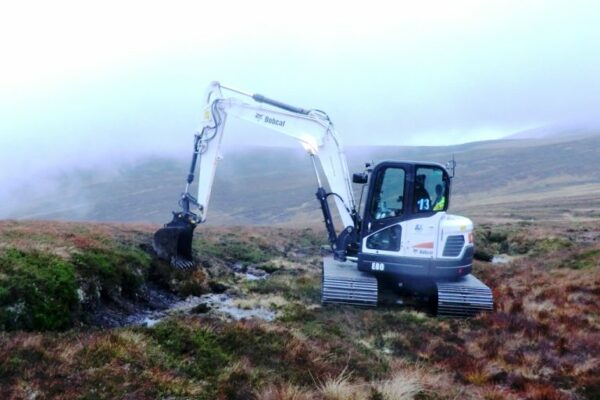
Cairngorms Peatlands , Restoration Project
In the UK peatlands store over 3 billion tonnes of carbon, with more than half of that in Scotland. Over a quarter of the Cairngorms National Park is made up of peatlands which are vital for carbon capture and storage. Thanks to multiple projects currently 1,685 hectares of damaged peatlands have been put under restoration management using reprofiling, turfing, erosion gullies and drainage to stabilise and restore these vital peatlands. The estimated yearly reduction in carbon is 18,683 tons. Cairngorms National Park aims to restore and manage at least 4,000 hectares of peatland in the next three years.
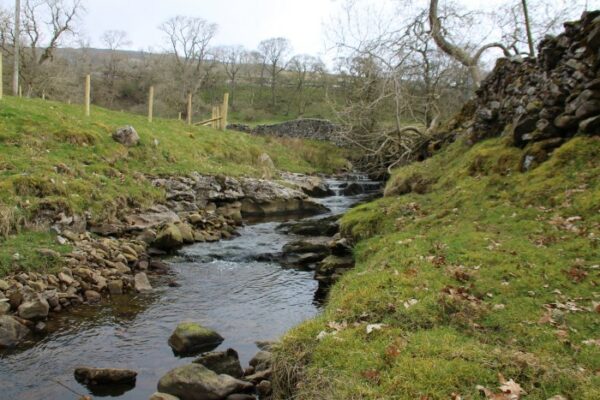
Yorkshire Dales Rivers , Restoration Project
The ‘Keep Ure Rivers Cool’ project is in the Yorkshire Dales. The first phase of this project will see ten new woodlands created along river banks. These will create dapple shade and improve river temperatures for native fish and aquatic life including brown trout, white clawed crayfish, otters and kingfishers. The project has identified sites with the potential to deliver 6.2km of riparian creation.
As organisations we clearly state collective and individual plans to tackle the climate emergency in partnership with our local communities, partners and stakeholders. On 8th October 2021 we published a joint Climate Emergency Response Statement detailing our collective plans.
We will set ambitious targets to influence the behaviour of visitors, the wider public and partners through our involvement in scientifically robust recognised programs such as Race to Zero.
We will galvanise international efforts by creating a global movement of National Parks and protected spaces dedicated to tackling the climate emergency – sharing and enhancing the lessons from our UK work and identifying good practice wherever it takes place to share across borders.
Mae’r Bele yn un o famaliaid prinnaf Cymru, ond mae eu niferoedd yn tyfu yn raddol. Mae hynny’n newyddion da i’n coetiroedd ac i’r Parciau Cenedlaethol, sy’n darparu rhai o’r cynefinoedd pwysicaf ar gyfer bywyd gwyllt ledled Cymru a Phrydain.
Ym Mannau Brycheiniog, mae’r prosiect adfer wedi gosod blychau nythu yn y coed, ac mae gwaith monitro wedi nodi presenoldeb y Bele, gan gynnwys grwpiau teuluol. Mae’r ffilm arbennig hon yn dangos un ohonynt ar waith. 🐾
Mae’n atgof hyfryd o’r hyn sy’n bosibl pan ddaw coetiroedd iach a gwaith cadwraeth arbenigol at ei gilydd i roi’r gofod sydd ei angen ar rywogaethau prin i wella.
Pine Martens are one of Wales’ rarest mammals, but they’re slowly making a comeback. That’s good news for our woodlands, and for National Parks, which provide some of the most important habitats for wildlife across Wales and Britain.
In Bannau Brycheiniog (the Brecon Beacons), the recovery project has installed treetop den boxes, with monitoring identifying pine martens, including family groups. This special footage shows one in action. 🐾
It’s a lovely reminder of what can happen when healthy woodlands and specialist conservation work come together to give rare species the space they need to recover.
#BreconBeacons #BannauBrycheiniog #PineMartins #Wales


It’s the Autumn Equinox 🍂
Our National Parks are always changing in time with the rhythm of nature, but this becomes particularly noticeable when autumn arrives.
Deer begin to rut, spiders’ cobwebs glisten in the fresh light, fungi become more prominent, and leaves begin to change colour.
What changes have you noticed so far? 🧡
#Autumn #AutumnEquinox #NationalParks

“You look after the National Park not for yourself, but for people who are coming, the ones who are following you.”
These are the words of Ron Wood, who has been volunteering for the Lake District National Park for over 60 years. His story reflects the vital role volunteering plays across our National Parks: keeping them thriving, communities invested, and people connected to and caring for our landscapes.
Over the decades, Ron’s incredible journey has seen him remain steadfast in his commitment through droughts, hand, foot and mouth disease, and the ever-changing rhythms of nature. Through it all, one thing has remained constant: his dedication to looking after the environment for those who come after him.
You can read Ron`s full story by clicking the link in our bio or learn more about volunteering at nationalparks.uk/volunteering 🔗
📸Photos by @lakedistrictnpa
#LakeDistrict #Volunteering #NationalParks

A quiet autumn transformation is beginning to take place. 🍁
Bracken gradually fades to burnt oranges. Mist sweeps across the horizon. Grasses brown and trees begin their annual shaking of leaves.
Our National Parks are never still. They are constantly changing and transforming with the seasons - a living rhythm of growth, decay, colour and renewal.
These four photographs perfectly capture our Parks on the cusp of autumn 📸
1. Dartmoor @ryanbrowningphotography
2. Lake District @jonny.gios
3. New Forest @acornsandscapes
4. Northumberland @calbrownphoto
#Autumn #NationalParksUK

🍄 They’re not just wonderfully weird – they’re vital for our National Parks, too. Fungi can be more prominent as we enter autumn, and across our landscapes they’re helping to protect the fragile environments our Parks depend on.
Our National Parks are home to over 80% of the UK’s priority conservation habitats, and every single bracket or tiny woodland fungus is part of a vital wider workforce that supports our ecosystems.
They can look small, but they’re certainly mighty.
#Fungus #UKFungi #Mycological #NationalParks

Autumn brings some unusual visitors to the @newforestnpa 🐷🍂
As the leaves turn and acorns begin to carpet the Forest floor, you might spot a few more snouts among the trees.
Each autumn, New Forest Commoners exercise an ancient right known as pannage – turning their pigs out to forage for fallen acorns, beech mast and other natural foods that might be harmful to other grazing animals.
It’s a tradition that has been part of life in the New Forest for many years. Just like many of our Parks, it shows how these landscapes are shaped by history and the unique ways of working that protect the environment.
📸This beautiful photograph was captured by @hang_ross76.
#NewForestPigs #Autumn #NewForest

🍂 Autumn is creeping in, and the nights are slowly drawing in around us. But darkness isn’t just something we notice. For countless bugs, it’s essential.
Two-thirds of invertebrates are partially or wholly nocturnal, relying on the natural rhythm of night and day to feed, move, reproduce and survive. Yet increasing light pollution is disrupting this vital nighttime world. 🐜
September is an active time for bugs - spiders seek shelter, wasp colonies reach their peak size, and many are migrating or laying overwintering eggs.
Our National Parks are home to some of the UK’s darkest skies and important habitats where we can protect the darkness that bugs depend on.
Together, we can help even the smallest of species to thrive.
Clips via @buglife_ict
1 & 2: Moth © Patrick Chadwick
3: Running Crab Spider © Patrick Chadwick
4: Millipede © Patrick Chadwick
5: Common glow-worm (Lampyris noctiluca) © Kristian Pikner
6 & 7: Ringlet butterfly roosting © Patrick Chadwick
8: Wasp © Patrick Chadwick
#BugLife #DarkSkies #NationalParks

💚 Our National Parks are intertwined in many of our lives, whether it`s on a daily basis or less often. But they don`t just happen by themselves.
They rely on people and communities every single day. From the friendly faces in a visitors centre to the farmer right out in the wilderness, our parks are what they are thanks to the people who give their time to them.
#NationalParksUK #PeopleinAction
