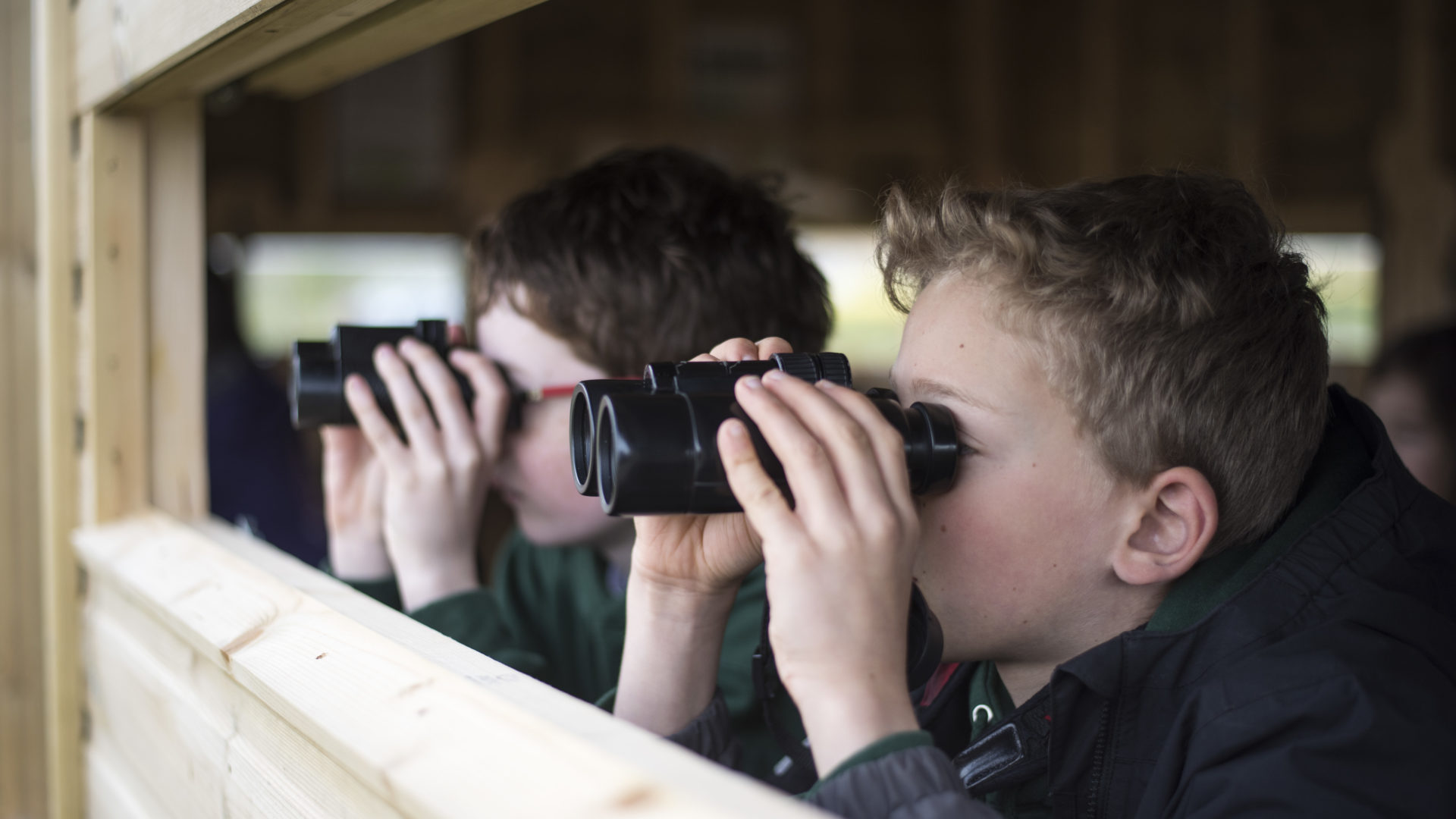
Birdwatching

With endless skies, and a myriad of diverse habitats on the ground, National Parks are places of ornithological wonder.
Home to some of the rarest birds in Europe, National Parks offer some of the best birdwatching opportunities in the UK.
Whether you’re an avid twitcher, or simply want to identify bird species on your family walk, you’ll be amazed at the sheer diversity on display!
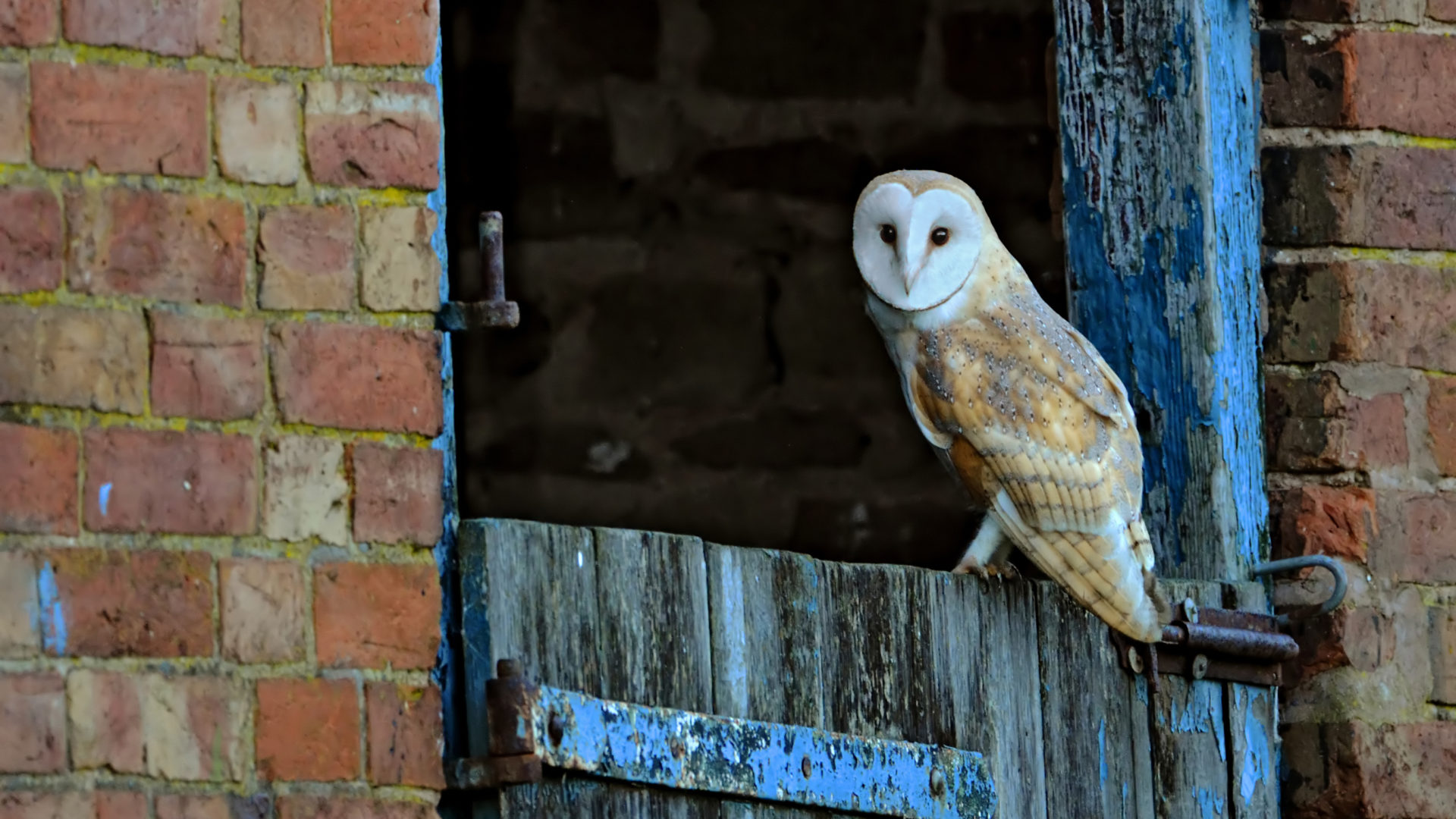
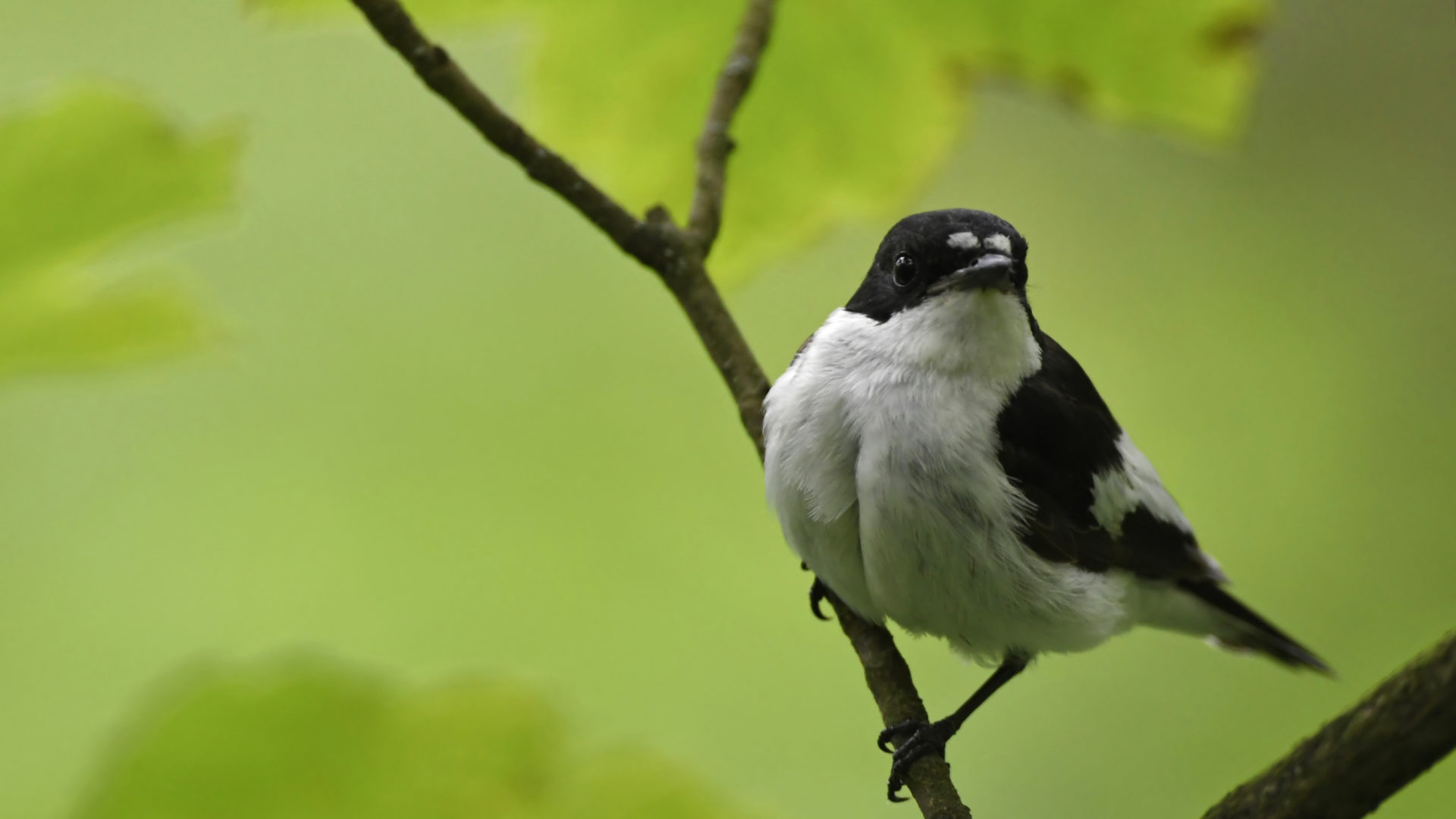
Five birdwatching havens
All 15 National Parks offer something different when it comes to birdwatching – with an incredible mix of woodland, moorland, farmland, wetland and upland species. Here are five of our favourite spots to see some amazing avians!
Ranworth, Broads
Ranworth is home to the king of the bird hides. If you only visit one, visit this one! Known as the Floating Broads Wildlife Centre, to reach the hide you will first have to traverse a gently meandering boardwalk which passes through woodland and reedbeds. As you wander, eye to eye with the bearded tits and the Cetti’s warblers, you will see a wood and thatch structure slowly emerge from the rushes. Prepare to be dazzled by some incredible birdlife!
Wykeham Forest, North York Moors
There’s a permanent Raptor Viewpoint where you may see merlin, goshawks, honey buzzards, common buzzards, red kite, peregrine, and sparrowhawks but if not, the superb view over Troutsdale will make up for any disappointment!
Heathlands, New Forest
There are around 100 species of breeding birds in The New Forest, with around 20 regular avian visitors which arrive or pass through the forest in the winter months. The heathlands are a dry, warm and insect-rich habitat which makes it the perfect breeding and nesting ground for an array of different birds. Nightjar, Woodlark, Hobby, the Dartford Warbler and Stonechat are just some of the heathland birds you might spot here. Birds of prey often patrol the heathland with Hen Harrier and Merlin amongst the species searching for mammal or small bird prey.
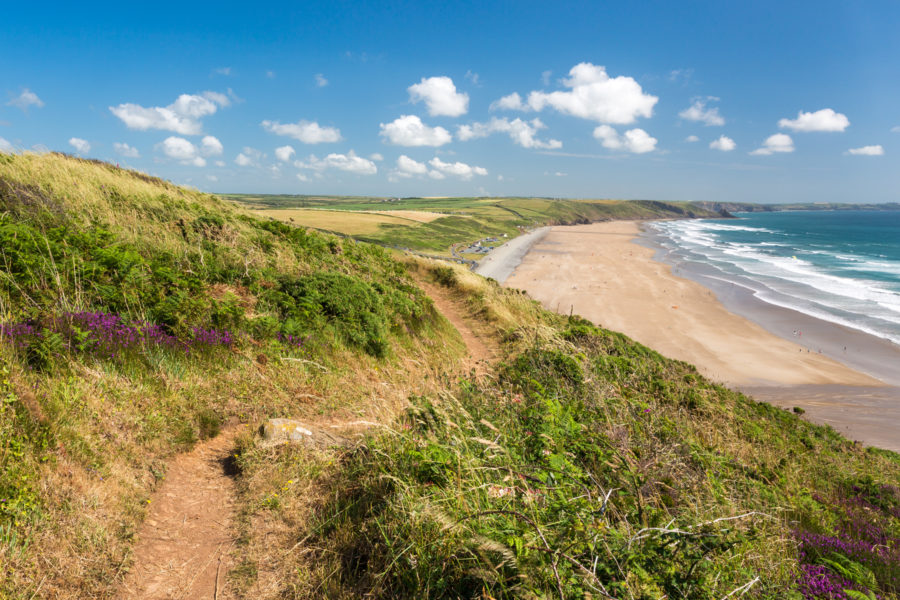
Skomer Island, Pembrokeshire Coast
Skomer has the largest and most accessible colonies of seabirds in southern Britain. The cliffs are wall-to-wall seabirds – fulmars, razorbills, guillemots and kittiwakes. Puffins nest in burrows in the cliff-top turf, herring gulls and great black-backed gulls on rocky outcrops, lesser black-backed gulls on the plateau.
The island has more than 300,000 pairs of Manx shearwaters, possibly the largest colony of this species in the world.
Inchcailloch, Loch Lomond and the Trossachs
Loch Lomond with its ‘immensity of loch and landscape’ is brimming with birdlife. As well as the loch itself, there are over 20 islands, many of them wooded. The island of Inchcailloch is just five minutes away by ferry and well worth a visit. Birdlife flourishes here and in the summer includes species such as blackcap, willow warbler and chiff chaff.




Did you know?

Tips for birdwatching
Whether your particular interest is photography, ringing, sound-recording or birdwatching, remember that the interests of the bird must always come first. Here are five tips to becoming a champion birder:
Avoid disturbing birds and their habitats. It’s particularly important to stick to paths between March and September during the ground-nesting season.
Think about the interests of wildlife and local people before passing on news of a rare bird, especially during the breeding season.
Know the law and the rules for visiting the countryside, and follow them.
Send your sightings to the Birdtrack website.
Get a good guidebook – it’s a great long-term investment and will help your knowledge tremendously. Bird identification apps are a useful additional aid!

🎉 Happy Exmoor Day, @exmoornp!
Today, Exmoor National Park celebrates years of connecting people with nature, wildlife and the great outdoors.
From England’s largest wild red deer herd and native ponies to Europe’s first International Dark Sky Reserve and dramatic landscapes, Exmoor is a place full of life, history and discovery.
Its landscapes, wildlife and historic villages bring people closer to nature and create opportunities to explore, connect and enjoy the benefits of being outdoors.
Here’s to Exmoor – and many more adventures to come! 💚
#Exmoor #ExmoorNationalPark #NationalParksUK


Happy birthday @parc_eryri 🎂
From its towering peaks and sweeping valleys to its rich heritage, Eryri (Snowdonia) is a place that means so much to so many people.
It`s a landscape full of stories, shaped by generations of people and home to some of Wales` most treasured places, from the summit of Yr Wyddfa to the quieter corners.
Today, we`re celebrating everything that makes Eryri unique, from the people and traditions that give it its character to the ongoing work to protect its landscapes and wildlife.
Share your favourite memories of Eryri in the comments! 💬
📸Ogwen Valley, Snowdonia @cinqueportsphotography
#Eryri #EryriNationalPark #TheAnswerIsNationalParks

Autumn is a chance to give nature a helping hand. 🍂
From leaving fallen leaves to providing food for birds, small actions can make a big difference to the world around us.
Here are some of the ways to help nature this season.
#NatureRecovery #Autumn #NationalParks

An ancient wall almost 2,000 years old, and a catch-up with your mate? ✅
Historic landmarks like Hadrian’s Wall in Northumberland National Park have been connecting people for centuries.
While that connection looks very different today from the wall’s original role as a Roman defensive fortification, it’s still a place where people come together and explore history.
Because our National Parks are about so much more than great places for a day out. They’re places to connect with friends, clear your head, get active and learn about history, all in one place.
#Northumberland #HadriansWall #NationalParksUK

They’re more than just pretty places. 🌳
Our National Parks are home to some incredible trees, from ancient giants to England’s tallest tree.
Swipe through for a few #WildFacts about the trees growing across our 15 National Parks.
#NationalParksUK #Trees #Woodland

National Parks are places where animals make their homes, people catch up over coffee, and we pause to marvel at the dark skies above.
Places to connect, discover and look a little closer.
We’d love to see your images of autumn in action in a National Park. Tag us or use the hashtag #AutumnInAction 🧡
#NationalParks #Autumn

What if Middle-earth’s Rangers had more in common with National Park Rangers than we might think?
Of course, our National Park Rangers have a little less to worry about than Aragorn and his fellow Rangers.
But they do both know their landscapes well, protect the places they love and guide others to find their way.
Across the UK’s 15 National Parks, our Rangers are taking action every day. They may not be defending the Shire from the forces of darkness, but they certainly do an incredibly important job. 💚
#MiddleEarth #Rangers #NationalParksUK

15 National Parks. One shared challenge. Our climate is changing, and with it comes an increased risk of wildfire across our landscapes.
That’s why we’ve committed to taking action through our new Wildfire Management Position Statement. Together, the National Parks will work to support nature recovery to help manage wildfire risk, plan for and strengthen wildfire response and coordination, improve risk management and preparedness, and share clear, consistent public messaging.
But we can’t do it alone.
Communities, organisations, land managers and visitors all have a role to play in reducing wildfire risk. By working together, we can help protect our National Parks and prepare for a future where hotter, drier weather may increase the risk of wildfire.
Read the full statement by clicking on the link in our bio 🔗
Photos:
Slide 1 - Fighting the Glenmore wildfire, © Ed Smith. Slide 2 - Fighting the Glenmore wildfire, © Malcolm Smith. Slide 3 - View across Loch Morlich during Glenmore wildfire, July 2026, © Brenna Jessie. Slide 4 - Fighting the Glenmore wildfire, © Malcolm Smith. Slide 5 - View from the cab of a tractor aiding in fighting the wildfire in the Cairngorms National Park, CPNA. Slide 5 - Firefighting vehicles at the Glenmore wildfire, © Malcolm Smith.
#Wildfires #NationalParksUK
