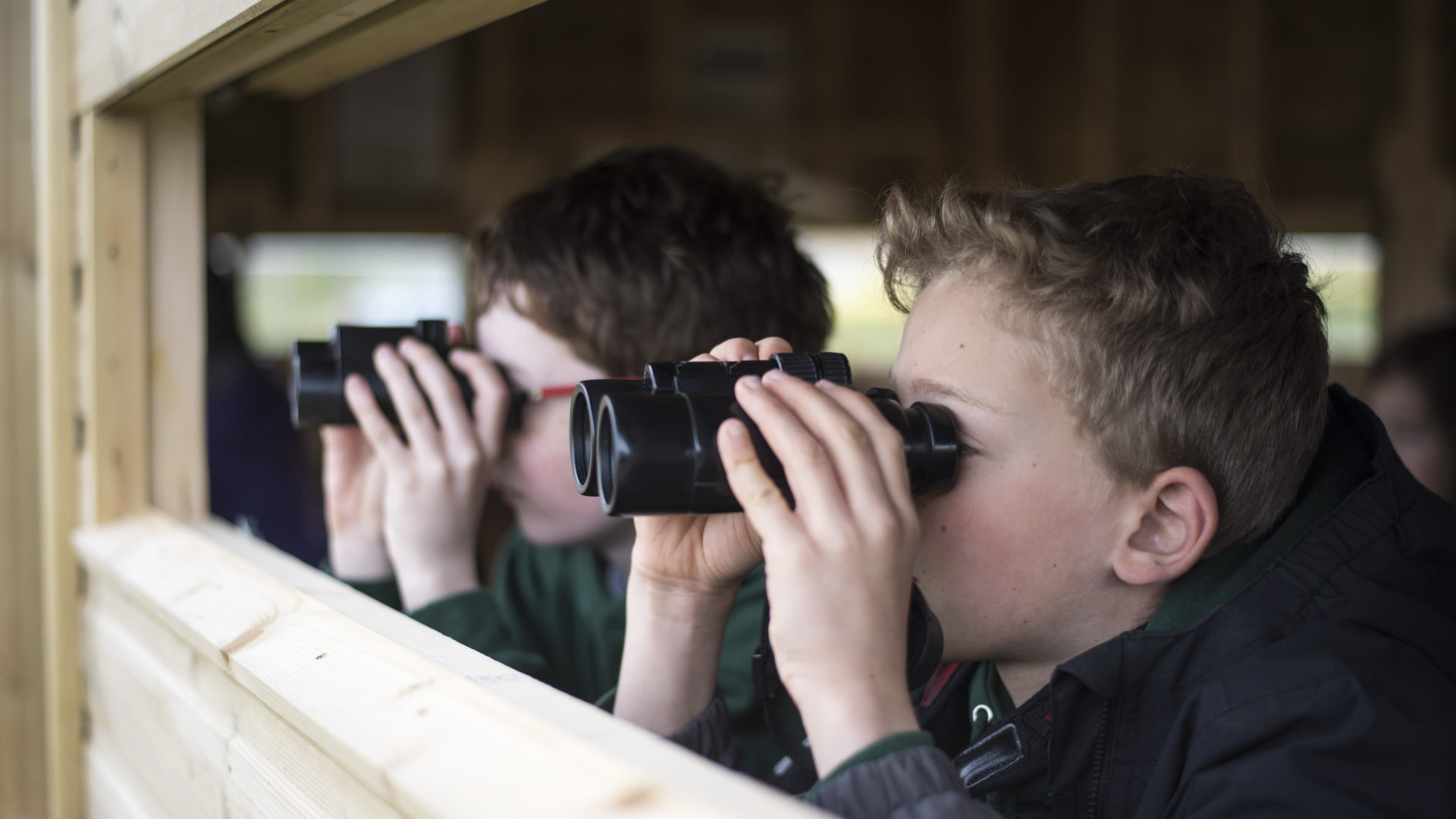
Birdwatching

With endless skies, and a myriad of diverse habitats on the ground, National Parks are places of ornithological wonder.
Home to some of the rarest birds in Europe, National Parks offer some of the best birdwatching opportunities in the UK.
Whether you’re an avid twitcher, or simply want to identify bird species on your family walk, you’ll be amazed at the sheer diversity on display!
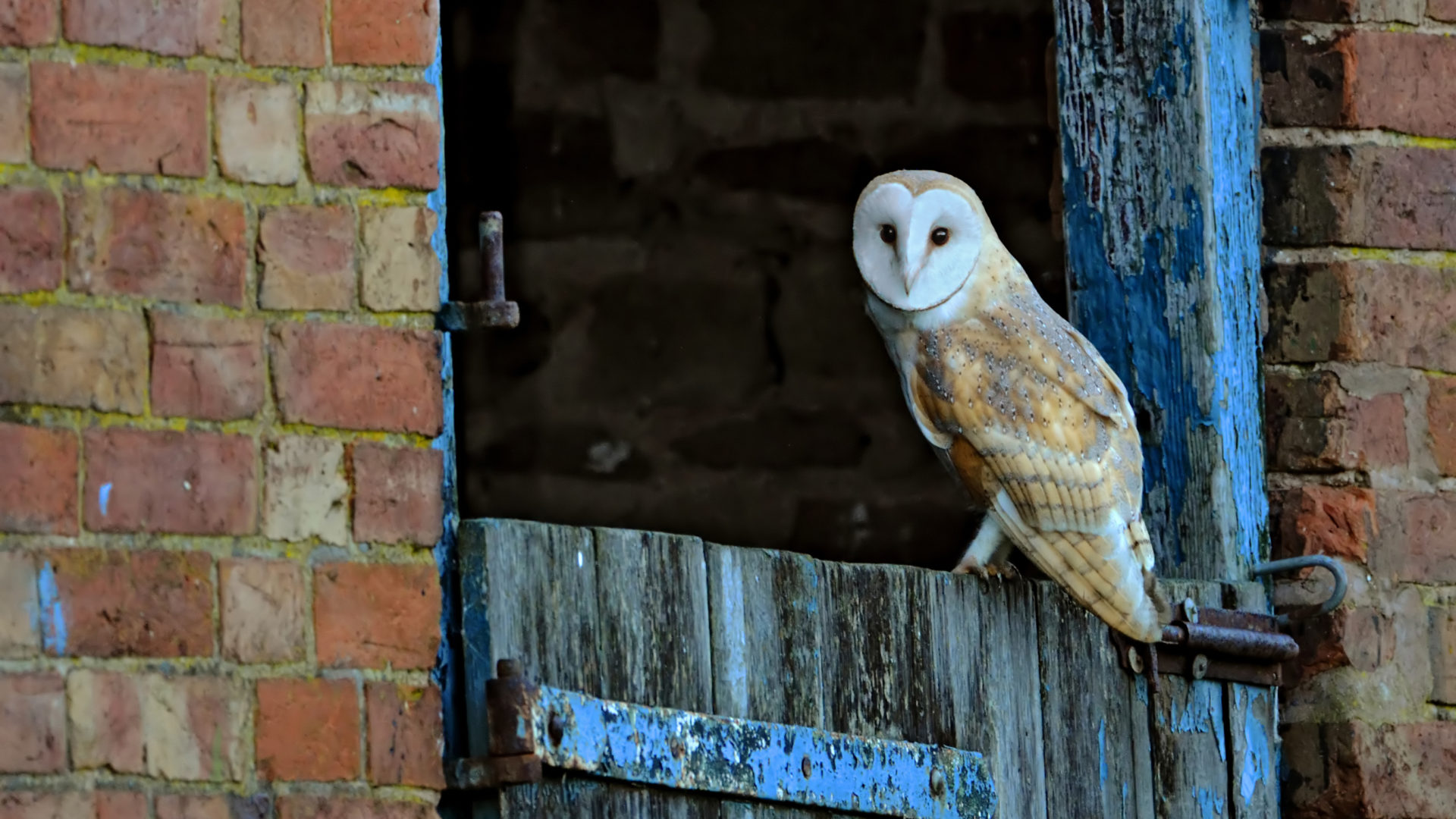
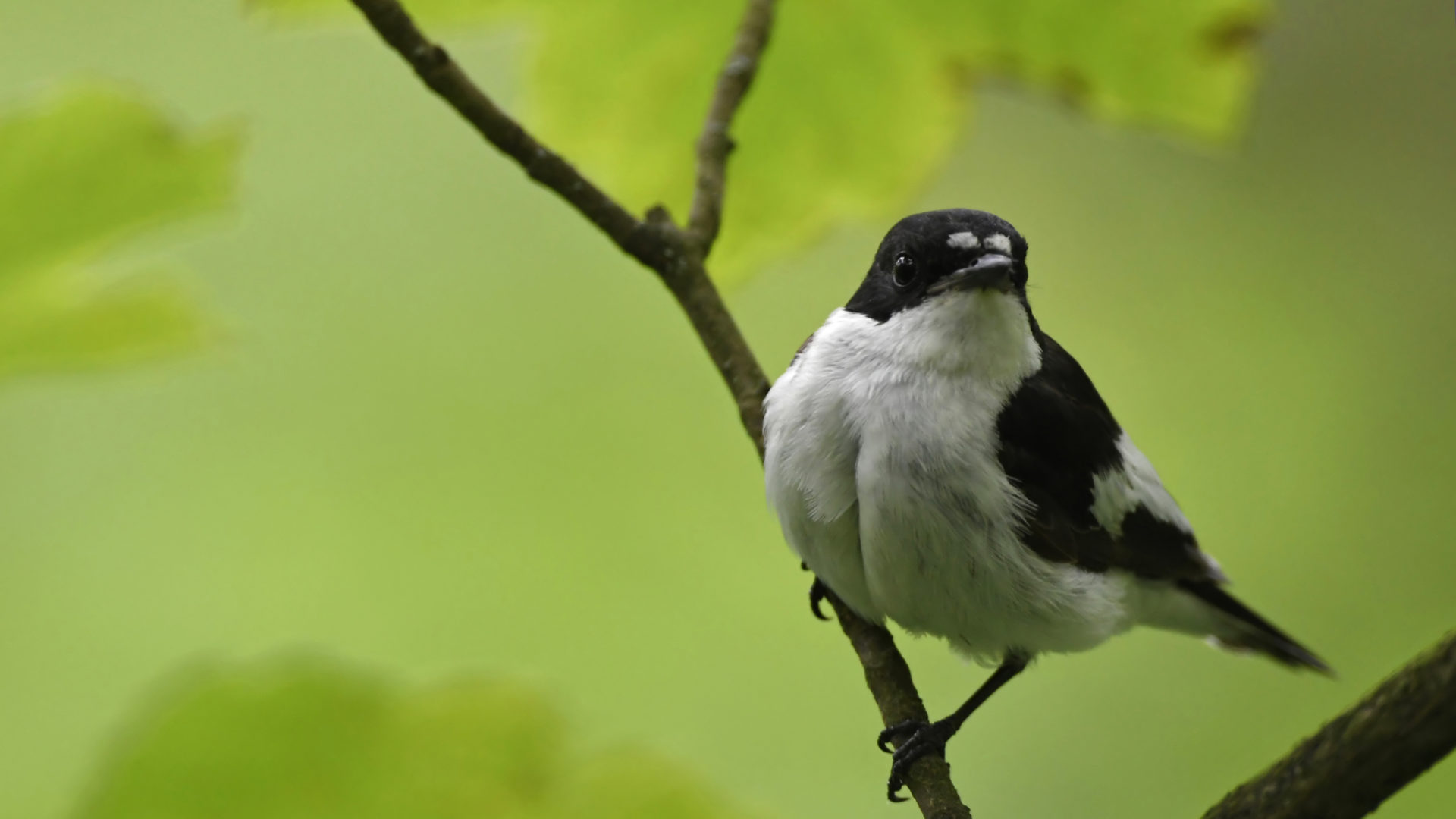
Five birdwatching havens
All 15 National Parks offer something different when it comes to birdwatching – with an incredible mix of woodland, moorland, farmland, wetland and upland species. Here are five of our favourite spots to see some amazing avians!
Ranworth, Broads
Ranworth is home to the king of the bird hides. If you only visit one, visit this one! Known as the Floating Broads Wildlife Centre, to reach the hide you will first have to traverse a gently meandering boardwalk which passes through woodland and reedbeds. As you wander, eye to eye with the bearded tits and the Cetti’s warblers, you will see a wood and thatch structure slowly emerge from the rushes. Prepare to be dazzled by some incredible birdlife!
Wykeham Forest, North York Moors
There’s a permanent Raptor Viewpoint where you may see merlin, goshawks, honey buzzards, common buzzards, red kite, peregrine, and sparrowhawks but if not, the superb view over Troutsdale will make up for any disappointment!
Heathlands, New Forest
There are around 100 species of breeding birds in The New Forest, with around 20 regular avian visitors which arrive or pass through the forest in the winter months. The heathlands are a dry, warm and insect-rich habitat which makes it the perfect breeding and nesting ground for an array of different birds. Nightjar, Woodlark, Hobby, the Dartford Warbler and Stonechat are just some of the heathland birds you might spot here. Birds of prey often patrol the heathland with Hen Harrier and Merlin amongst the species searching for mammal or small bird prey.
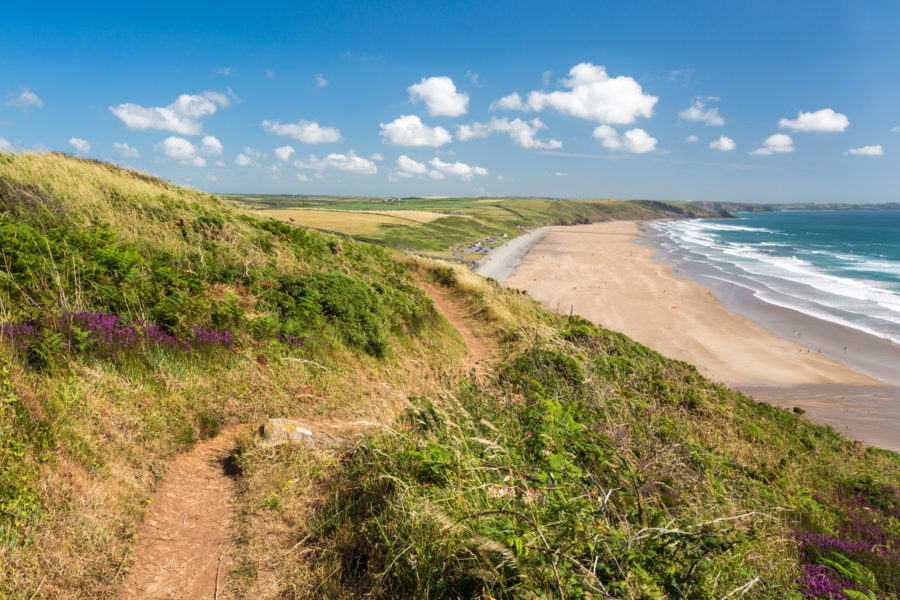
Skomer Island, Pembrokeshire Coast
Skomer has the largest and most accessible colonies of seabirds in southern Britain. The cliffs are wall-to-wall seabirds – fulmars, razorbills, guillemots and kittiwakes. Puffins nest in burrows in the cliff-top turf, herring gulls and great black-backed gulls on rocky outcrops, lesser black-backed gulls on the plateau.
The island has more than 300,000 pairs of Manx shearwaters, possibly the largest colony of this species in the world.
Inchcailloch, Loch Lomond and the Trossachs
Loch Lomond with its ‘immensity of loch and landscape’ is brimming with birdlife. As well as the loch itself, there are over 20 islands, many of them wooded. The island of Inchcailloch is just five minutes away by ferry and well worth a visit. Birdlife flourishes here and in the summer includes species such as blackcap, willow warbler and chiff chaff.




Did you know?

Tips for birdwatching
Whether your particular interest is photography, ringing, sound-recording or birdwatching, remember that the interests of the bird must always come first. Here are five tips to becoming a champion birder:
Avoid disturbing birds and their habitats. It’s particularly important to stick to paths between March and September during the ground-nesting season.
Think about the interests of wildlife and local people before passing on news of a rare bird, especially during the breeding season.
Know the law and the rules for visiting the countryside, and follow them.
Send your sightings to the Birdtrack website.
Get a good guidebook – it’s a great long-term investment and will help your knowledge tremendously. Bird identification apps are a useful additional aid!

🦋 Some of the UK’s rarest butterflies find a home in our National Parks. Here are just a few.
From flower-rich meadows to ancient woodlands and heathlands, many of our landscapes provide the ideal conditions that butterflies need to thrive.
Every butterfly is a reminder of why these places matter and how we can all play a part in protecting them.
The Big Butterfly Count is happening now. If you’re out exploring this summer, take part and help build a picture of how our butterflies are doing 👉 bigbutterflycount.org
Photography 📸
@lloydlanephotography
Tammy Andrews
Lloyd Lane
Neil Hulme
#BigButterflyCount #ButterflyConservation #UKNature


There’s something truly magical about the craft and skill of dry stone walling. 🪨
These remarkable walls still zigzag for more than 5,000 miles across the Yorkshire Dales National Park.
They’re a lasting reminder of the generations of craftsmanship that have shaped our landscapes, and of the traditional skills that continue to thrive across the UK’s National Parks.
🎥 Yorkshire Dales National Park
#ParkSpotlight #YorkshireDales

History doesn’t only live in museums.
It’s woven into the landscapes of our National Parks. From hillforts and castles to ancient pathways and drystone walls - these are places where heritage isn’t just protected - it’s still part of everyday life. 💚
When we protect these landscapes, we also protect the stories, traditions and history within them.
📍Dartmoor National Park
#NationalParksUK #UKHistory

There`s more to Loch Lomond & The Trossachs National Park than lochs. 🌳
It`s also home to The Great Trossachs Forest – one of the UK`s largest woodland restoration projects.
So far, more than 2 million native trees have been planted, creating richer habitats for wildlife and helping shape healthier landscapes for the future.
And speaking of growing... today the National Park celebrates 24 years of protecting people, places and nature.
Happy Birthday @Lomondtrossachs! 🎉
#ParkSpotlight #UKForests

POV: One of those perfect July evenings.
🌾 Some of the best moments outdoors are the simple ones.
National Parks aren’t just places to visit on holiday. They’re where we connect with nature and ourselves, everyday.
Where’s your favourite place for a summer stroll? 💚
#Wellbeing #UKCountrySide #NationalParksUK

Wales is famous for its waterfalls 💧
Across UK National Parks, rivers have shaped the landscape over thousands of years, creating some of the UK’s most spectacular waterfalls.
From the force of the water to the life and habitats these rivers support, they’re a powerful reminder of the remarkable landscapes our National Parks protect.
📍Bannau Brycheiniog National Park
#ParkSpotlight #UKWaterfalls #BannauBrycheiniog

💭We never forget our first school trip.
For many young people, a day in a National Park is about much more than learning about nature. It`s where confidence grows and curiosity is sparked.
Every year, thousands of children and young people experience outdoor learning across the UK`s National Parks. Time spent in nature can help develop problem-solving skills that last long after the school day ends.
👉Can you remember the first time you visited a National Park?
📸Sutton Bank, North York Moors National Park. Photo by Chris J Parker.
#Education #NationalParksUK

🧠Where in nature do you find peace?
It doesn’t have to be far away.
From quiet benches to big skies, our National Parks offer space to pause, reset and reconnect.
These moments matter for our wellbeing and for the places we all care for. 💚 #NationalParks #Countryside #Wellbeing
