The New Forest National Park
A world capital for wildlife
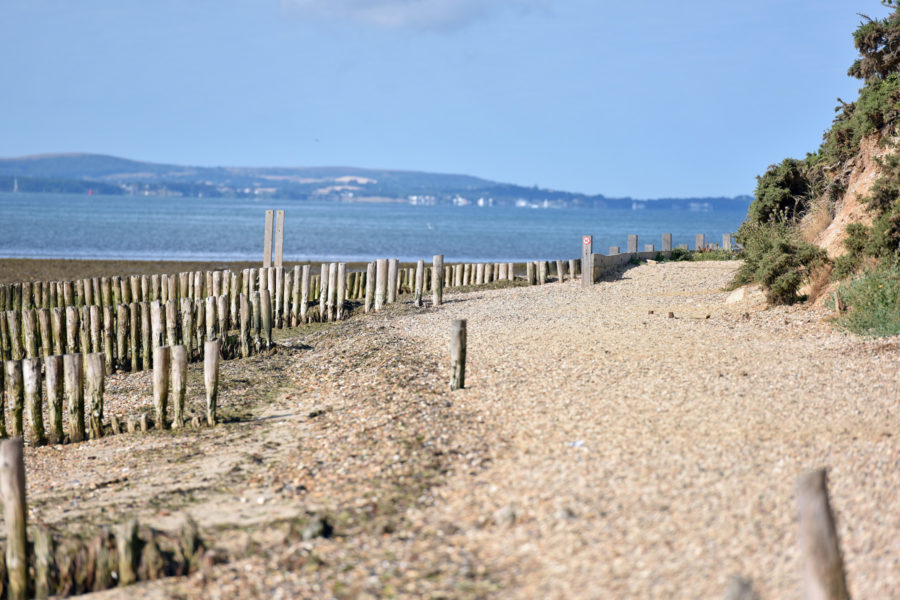
Ancient woodlands, wild open heathlands and stretches of beautiful coastline.
The New Forest National Park’s landscape is unique and includes the largest area of lowland heath in southern England, a rare habitat that once covered this part of the country. The New Forest is not a natural landscape though, it has been shaped over hundreds of years by people, by history and by the animals that still graze it today.
Visiting
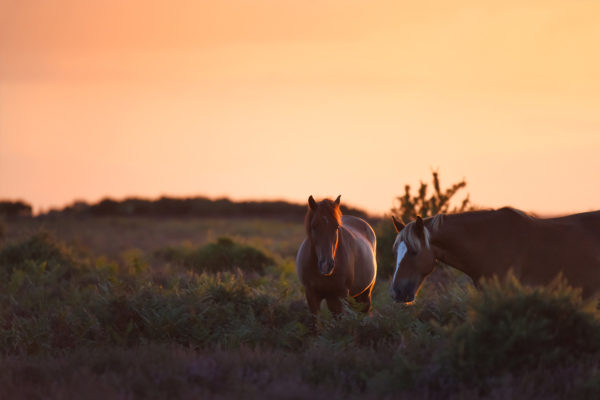
Care for the Forest , Activity
Help care for the unique landscape and diverse wildlife of the New Forest.

Discover wildlife , Activity
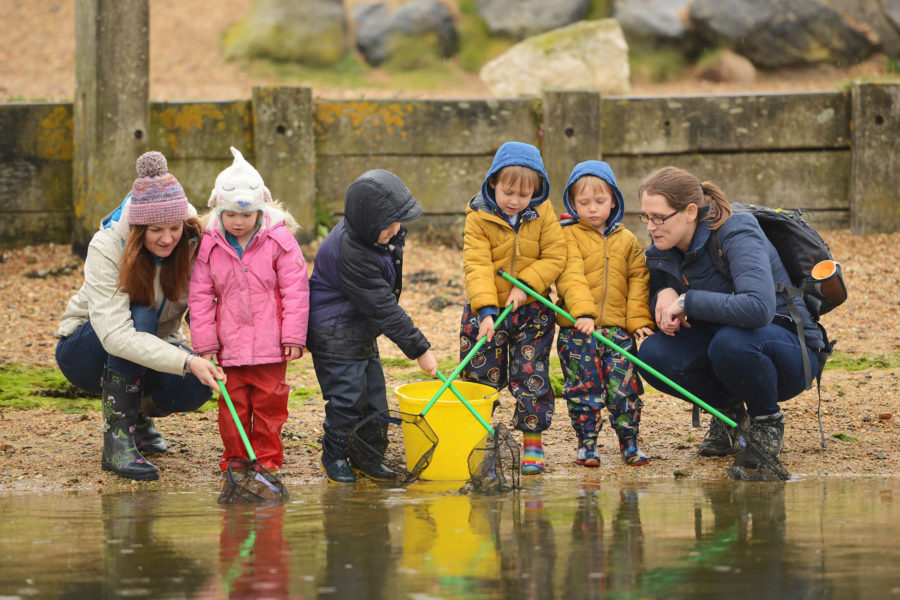
Wherever you go in the New Forest you are likely to see many different types of plants, trees, insects and birds.
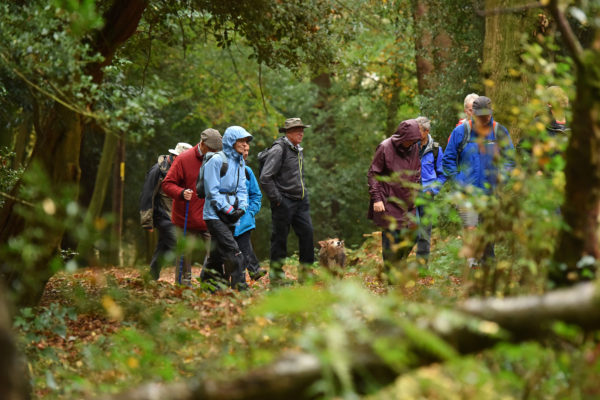
Walk traffic-free trails , Activity
Miles of off-road walks and cycle tracks take you into woods, by sea, over heath or along rivers and streams.
Special qualities
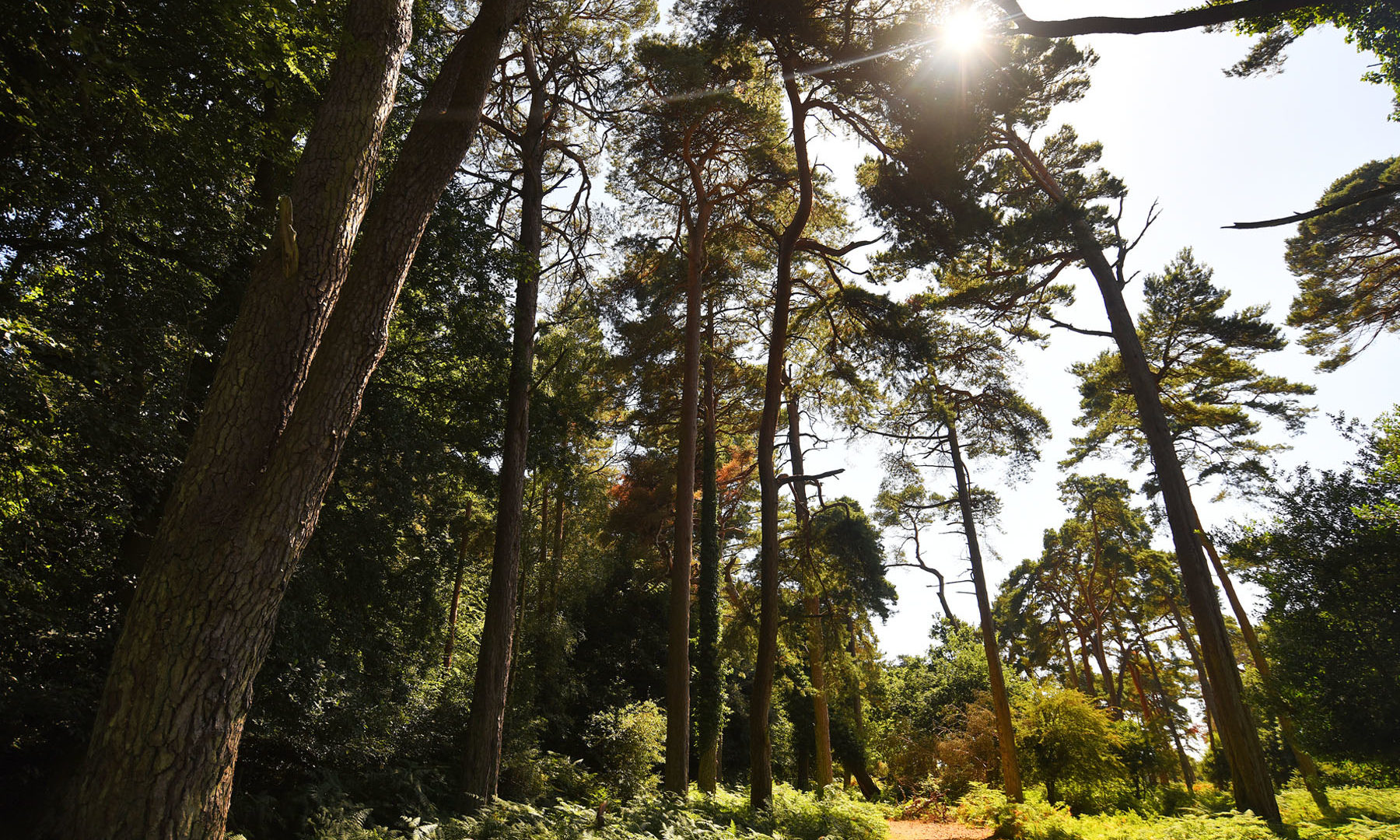
Outstanding natural beauty: the sights, sounds and smells of ancient woodland with veteran trees, heathland, bog and an unspoilt coastline.
An extraordinary diversity of plants and animals of international importance.
A unique historic, cultural and archaeological heritage from royal hunting ground to ship-building, salt-making and 500 years of military coastal defence.
An historic commoning system, forming the heart of a working landscape based on farming and forestry.
The iconic New Forest pony together with donkeys, pigs and cattle roaming free.
Tranquillity in the midst of the busy, built-up south of England.
Wonderful opportunities for quiet recreation, learning and discovery in one of the last extensive, gentle landscapes in the south including unmatched open access on foot and horseback.
A healthy environment: fresh air, clean water, local produce and a sense of ‘wildness’.
Strong and distinctive local communities with real pride in and sense of identity with their local area.
Did you know...
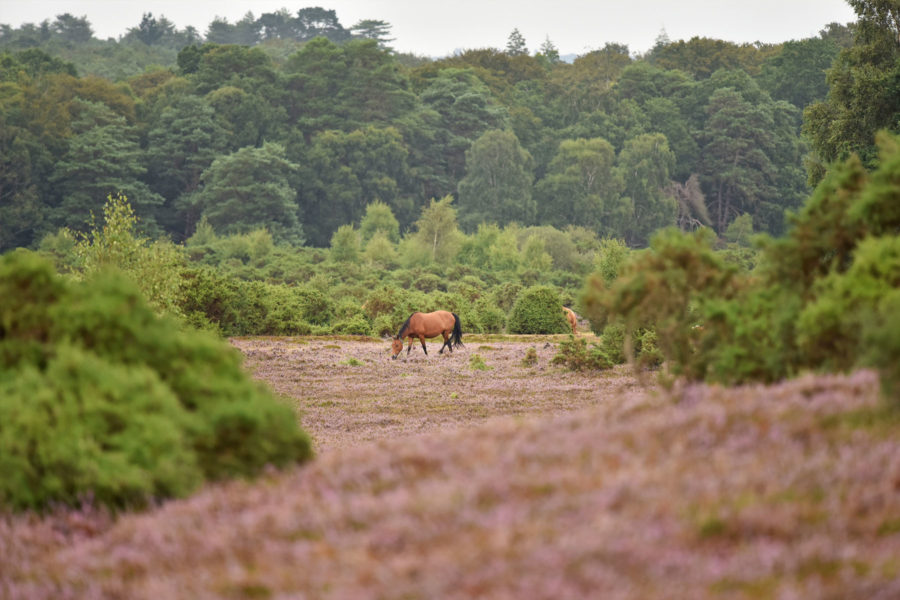
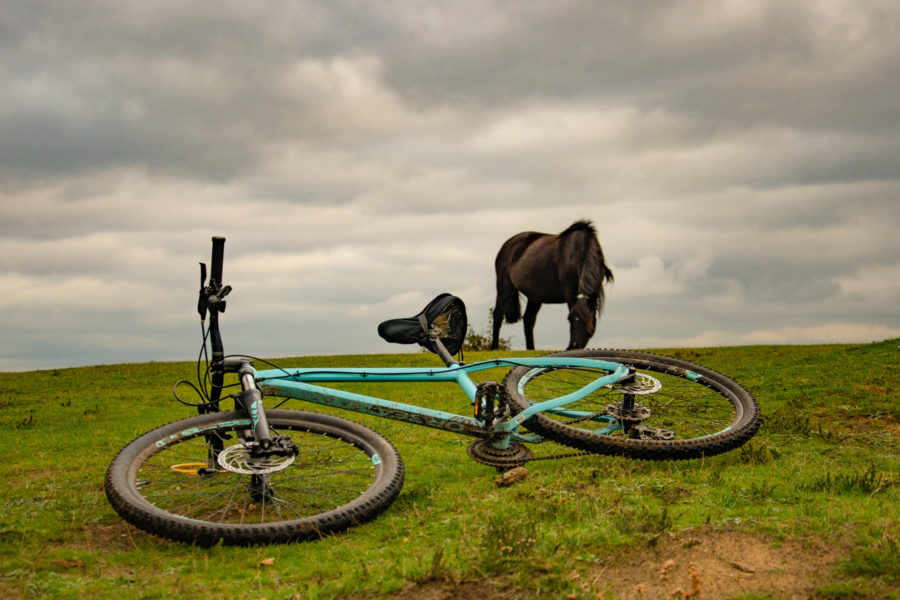

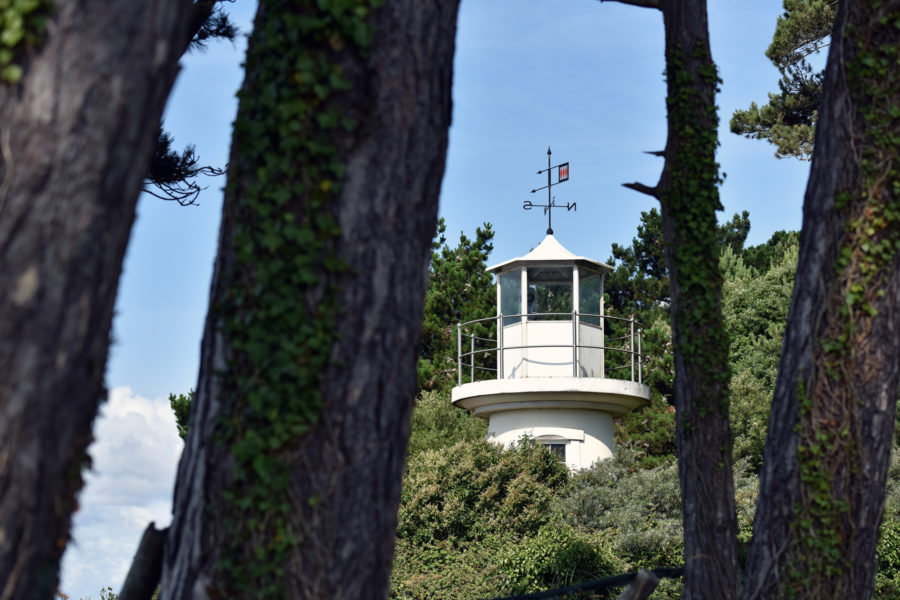
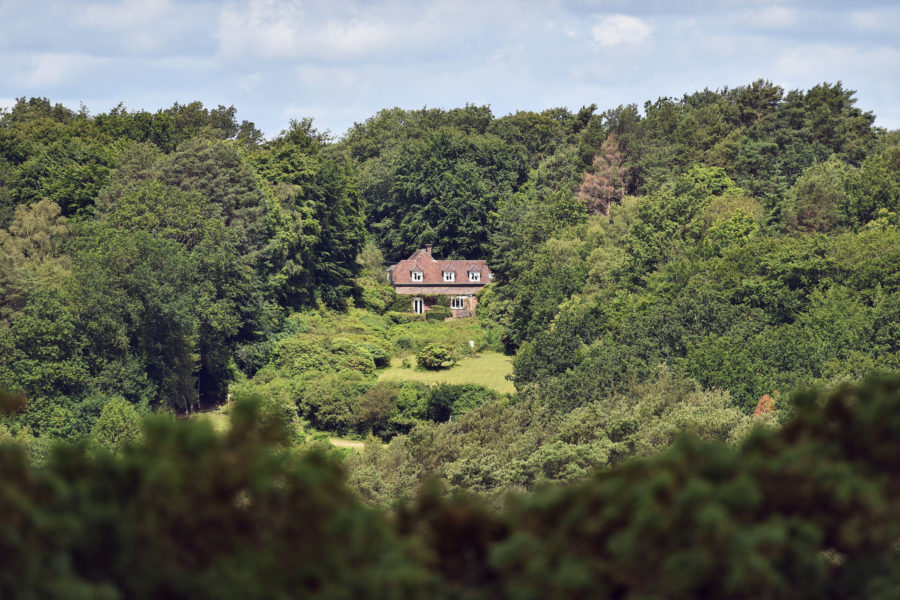
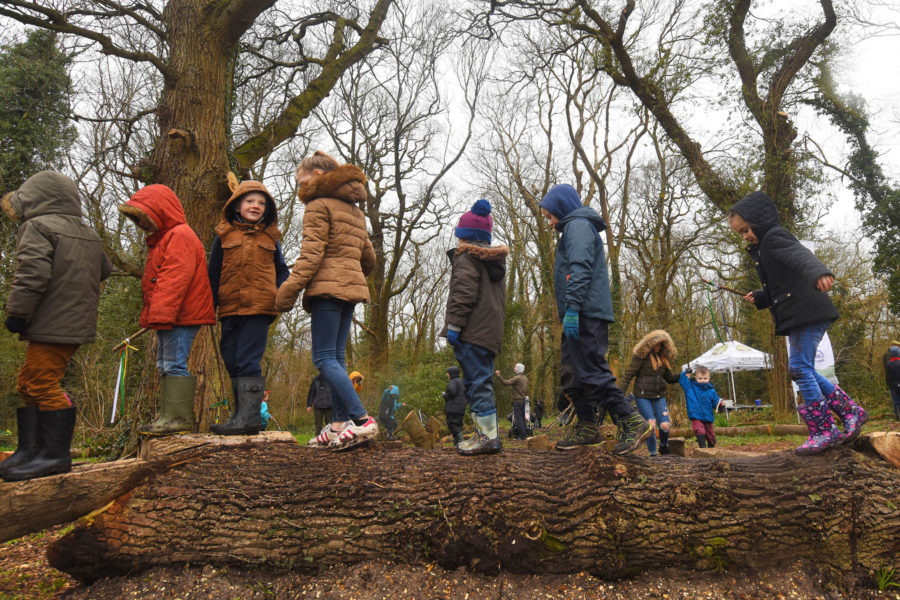
Architects of the Forest
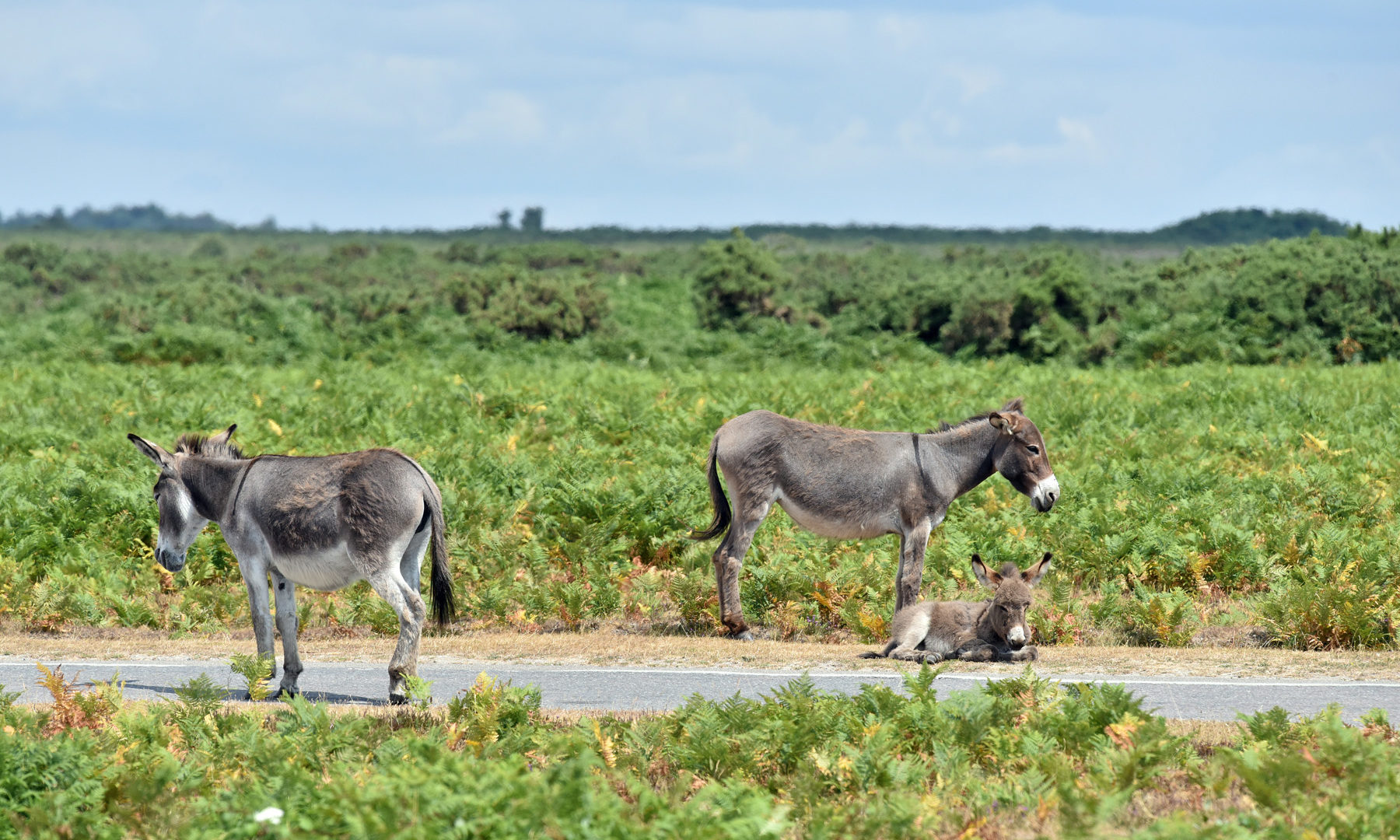
One of the first things you notice in the New Forest are the free-roaming animals.
It’s rare to travel more than a few miles without coming across these famous Forest residents grazing on gorse, wandering through villages or even crossing roads.
The ponies, cattle, donkeys and pigs are known as ‘the architects of the Forest’ because it is their grazing that creates the accessible landscape we all enjoy.
They are owned by local people called commoners, who take great pride in their animals and there is a strong commoning culture within the Forest.
The animals have an ever-changing pattern of grazing which could not be replicated by a single herd and commoning makes a positive contribution to the remarkable biodiversity of the New Forest.

Getting around
The New Forest is a welcoming landscape with lots of villages, good visitor facilities and excellent rail and road links. It is well-served by a public bus network and there are three open top New Forest Tour routes running throughout the summer.
Arrive by train
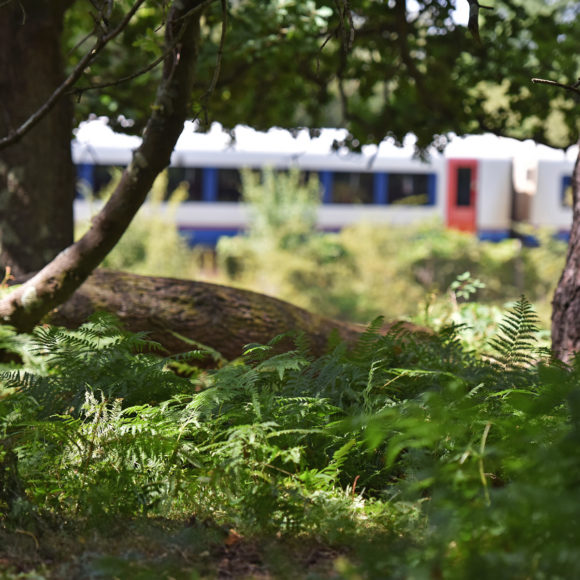
Let the train take the strain and enjoy unforgettable views as you travel to the National Park. Brockenhurst station is in the heart of the New Forest and there are six further rail stations in and around the National Park.

Cycling
Cycling the New Forest’s network of permitted routes is an ideal way to discover the beauty of the National Park. It’s easy to hop off a train and head straight out for a cycle ride, so leave the car at home and experience the landscape up close.
🎉 Happy Exmoor Day, @exmoornp!
Today, Exmoor National Park celebrates years of connecting people with nature, wildlife and the great outdoors.
From England’s largest wild red deer herd and native ponies to Europe’s first International Dark Sky Reserve and dramatic landscapes, Exmoor is a place full of life, history and discovery.
Its landscapes, wildlife and historic villages bring people closer to nature and create opportunities to explore, connect and enjoy the benefits of being outdoors.
Here’s to Exmoor – and many more adventures to come! 💚
#Exmoor #ExmoorNationalPark #NationalParksUK


Happy birthday @parc_eryri 🎂
From its towering peaks and sweeping valleys to its rich heritage, Eryri (Snowdonia) is a place that means so much to so many people.
It`s a landscape full of stories, shaped by generations of people and home to some of Wales` most treasured places, from the summit of Yr Wyddfa to the quieter corners.
Today, we`re celebrating everything that makes Eryri unique, from the people and traditions that give it its character to the ongoing work to protect its landscapes and wildlife.
Share your favourite memories of Eryri in the comments! 💬
📸Ogwen Valley, Snowdonia @cinqueportsphotography
#Eryri #EryriNationalPark #TheAnswerIsNationalParks

Autumn is a chance to give nature a helping hand. 🍂
From leaving fallen leaves to providing food for birds, small actions can make a big difference to the world around us.
Here are some of the ways to help nature this season.
#NatureRecovery #Autumn #NationalParks

An ancient wall almost 2,000 years old, and a catch-up with your mate? ✅
Historic landmarks like Hadrian’s Wall in Northumberland National Park have been connecting people for centuries.
While that connection looks very different today from the wall’s original role as a Roman defensive fortification, it’s still a place where people come together and explore history.
Because our National Parks are about so much more than great places for a day out. They’re places to connect with friends, clear your head, get active and learn about history, all in one place.
#Northumberland #HadriansWall #NationalParksUK

They’re more than just pretty places. 🌳
Our National Parks are home to some incredible trees, from ancient giants to England’s tallest tree.
Swipe through for a few #WildFacts about the trees growing across our 15 National Parks.
#NationalParksUK #Trees #Woodland

National Parks are places where animals make their homes, people catch up over coffee, and we pause to marvel at the dark skies above.
Places to connect, discover and look a little closer.
We’d love to see your images of autumn in action in a National Park. Tag us or use the hashtag #AutumnInAction 🧡
#NationalParks #Autumn

What if Middle-earth’s Rangers had more in common with National Park Rangers than we might think?
Of course, our National Park Rangers have a little less to worry about than Aragorn and his fellow Rangers.
But they do both know their landscapes well, protect the places they love and guide others to find their way.
Across the UK’s 15 National Parks, our Rangers are taking action every day. They may not be defending the Shire from the forces of darkness, but they certainly do an incredibly important job. 💚
#MiddleEarth #Rangers #NationalParksUK

15 National Parks. One shared challenge. Our climate is changing, and with it comes an increased risk of wildfire across our landscapes.
That’s why we’ve committed to taking action through our new Wildfire Management Position Statement. Together, the National Parks will work to support nature recovery to help manage wildfire risk, plan for and strengthen wildfire response and coordination, improve risk management and preparedness, and share clear, consistent public messaging.
But we can’t do it alone.
Communities, organisations, land managers and visitors all have a role to play in reducing wildfire risk. By working together, we can help protect our National Parks and prepare for a future where hotter, drier weather may increase the risk of wildfire.
Read the full statement by clicking on the link in our bio 🔗
Photos:
Slide 1 - Fighting the Glenmore wildfire, © Ed Smith. Slide 2 - Fighting the Glenmore wildfire, © Malcolm Smith. Slide 3 - View across Loch Morlich during Glenmore wildfire, July 2026, © Brenna Jessie. Slide 4 - Fighting the Glenmore wildfire, © Malcolm Smith. Slide 5 - View from the cab of a tractor aiding in fighting the wildfire in the Cairngorms National Park, CPNA. Slide 5 - Firefighting vehicles at the Glenmore wildfire, © Malcolm Smith.
#Wildfires #NationalParksUK
