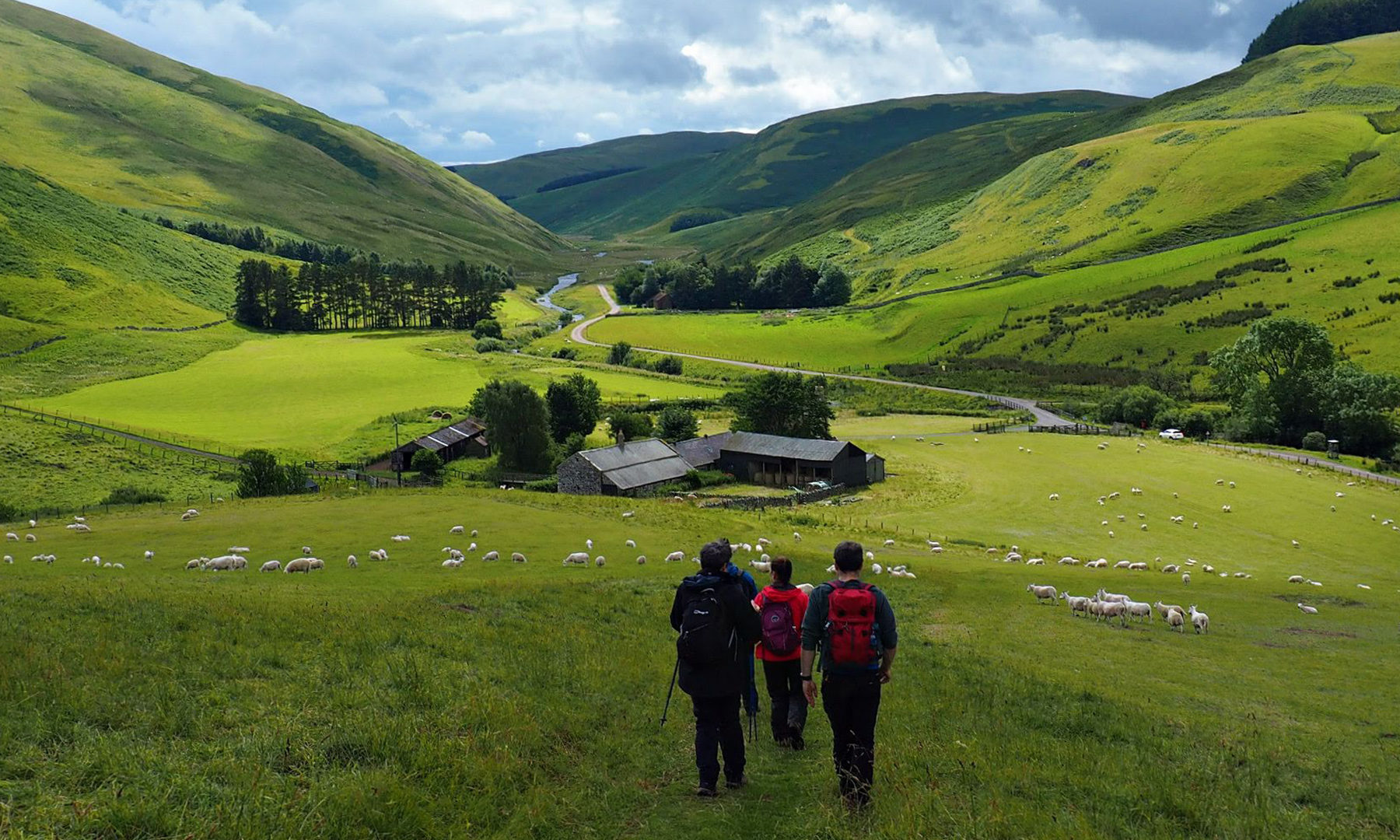
Northumberland National Park
Northumberland National Park
Home to England’s cleanest rivers, clearest air, the darkest skies and The Sill: National Landscape Discovery Centre.
Covering an area of more than 410 square miles between the Scottish border in the north to just south of Hadrian’s Wall UNESCO World Heritage site, Northumberland is the least populated of all of the UK’s 15 National Parks.
The least populated of all of the UK’s 15 National Parks, the diverse landscape of Northumberland attracts visitors from all over the world who come to enjoy the heritage, history and culture of this ancient, unspoilt place.
Key activities

The Sill , Activity
Nestled within the Hadrian’s Wall UNESCO World Heritage site, The Sill: National Landscape Discovery Centre is your gateway to a National Park experience.

Dark Skies , Activity
England’s darkest skies are the perfect place to stargaze. Discover our many dark sky sites where you can see millions of stars, far away from light pollution.
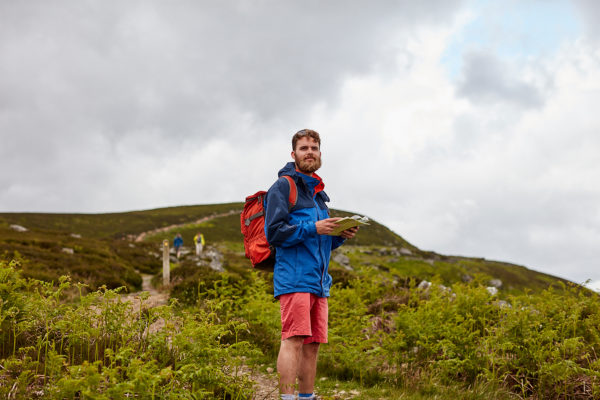
Hiking , Activity
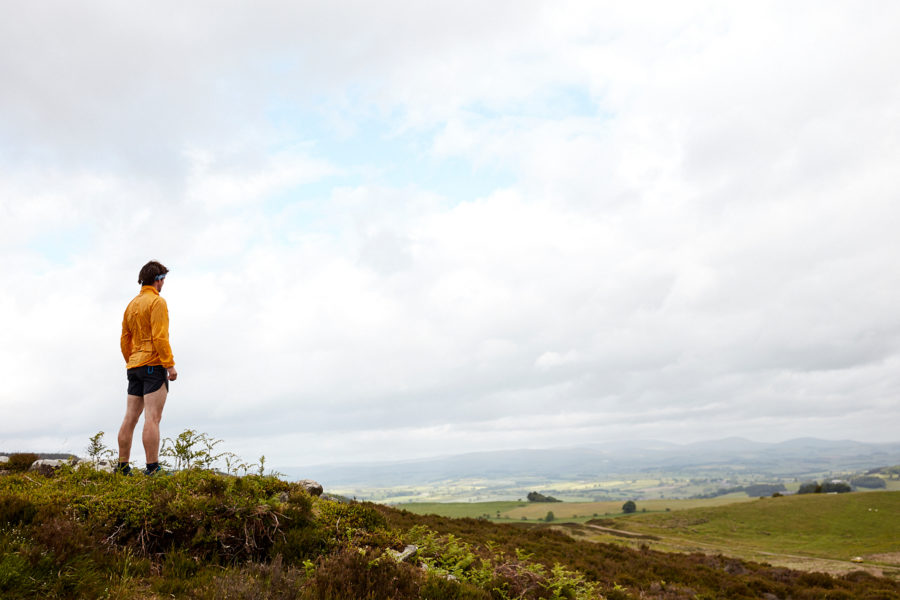
Our walking routes are some of the best ways to uncover our wide skies, dramatic landscapes and glorious history.
Special qualities
10 reasons why Northumberland National Park is a special place
Northumberland National Park is the northernmost national park in England. It covers an area of more than 1,050 square kilometres (410 sq mi) between the Scottish border in the north to just south of Hadrian’s Wall, and it is one of the least populated and least visited of the National Parks.
The Sill: National Landscape Discovery Centre is situated at Once Brewed next to the most iconic stretches of Hadrian’s Wall. Supported by the National Lottery Heritage Fund, The Sill was one of the biggest projects ever undertaken by an English National Park. Its aim – to help more people access and learn about the park landscapes, geography and habitats – is enjoyed by around 140,000 each year and features a fully accessible Whin Sill Grassland roof walk and rich programme of activities, events and exhibitions.
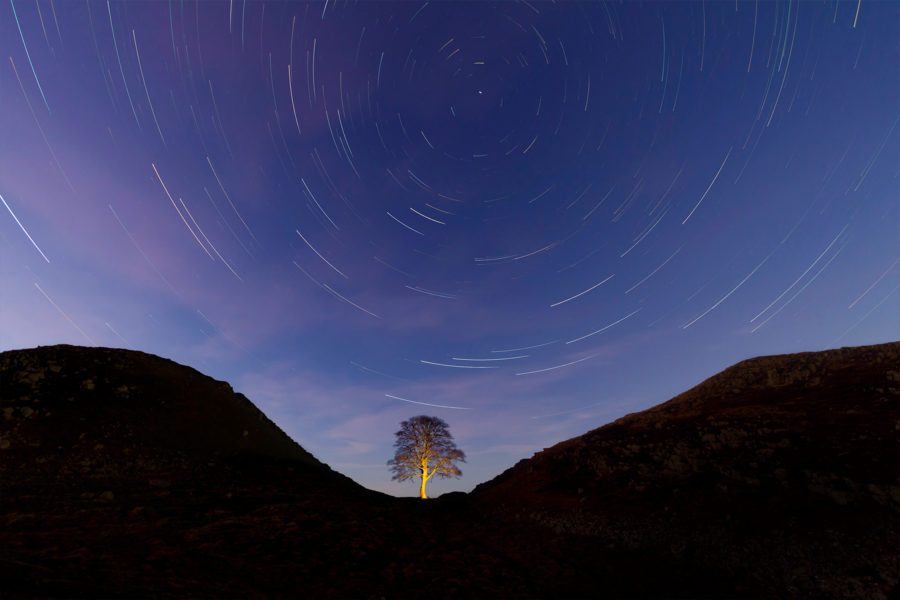
In December 2013 the International Dark Sky Association conferred Dark Sky Park status on an area including Northumberland National Park; it is the largest protected Dark Sky Park in Europe. Dark Sky viewing platforms can be found across the National Park including Walltown and Cawfields on Hadrian’s Wall.
From prehistoric rock art and hill forts to the ruins of medieval castles and bastles, or fortified farmhouses and UNESCO World Heritage Site Hadrian’s Wall, the 10,000 year history of human habitation in our historic landscape reflects its frontier past. A third of North East England’s 1,389 scheduled monuments are found in the park, which also has 229 listed buildings and structures.
The Ministry of Defence in the United Kingdom owns much of the land in the national park as the Otterburn Training Area. Some parts of this training area are off-limits; others can be accessed only at certain times or with permission. The training area accounts for 23% of the Northumberland National Park. There are 75 Scheduled Monuments within the Otterburn Training Area, England’s second largest military training area established in 1911.
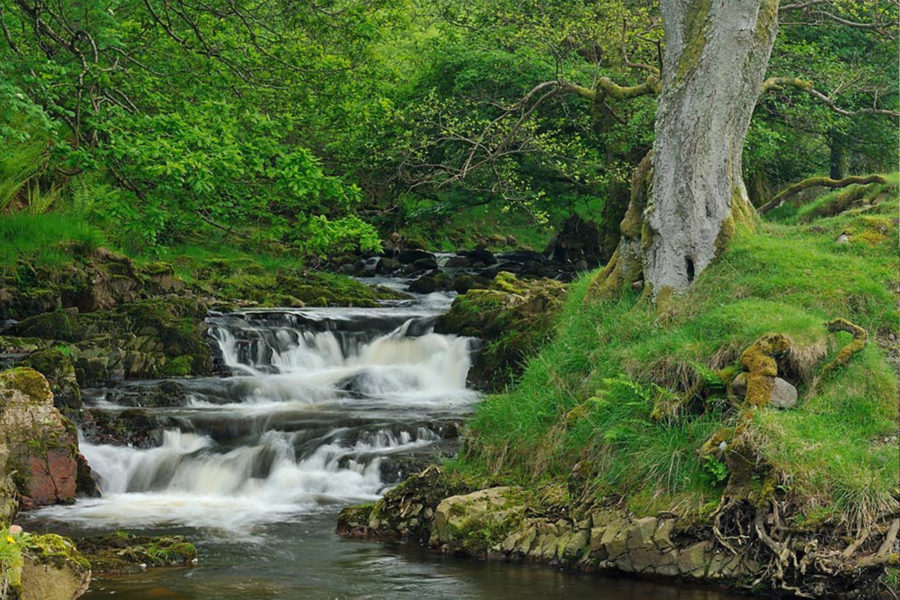
Four out of the five of the cleanest rivers in Britain are sourced in Northumberland National Park. All these rivers tumble down from the Cheviot Hills in Northumberland National Park. They are home to migrating salmon and sea trout, which swim upstream from the sea to lay their eggs, and to otters and other wildlife such as dippers and the water crow-foot, a floating member of the buttercup family.
Northumberland is the most remote and least populated of all England’s national parks, with a population of only around 2,000. This equates to just 0.02 persons per hectare – 10 times less dense than any other national park. It is also officially the most tranquil National Park.
The variety of landscapes mean that almost a third of the park (32,758 hectares) is made up of priority habitats, which are recognised for their national and international environmental importance and wildlife, while 10,000 hectares are sites of special scientific interest.
Not surprisingly, walking is the top activity for visitors, with 72% of the park classed as open access land and there are more than 1,140km of public rights of way. Hugely popular are walks around Hadrian’s Wall and in the stunning scenery and solitude of the Cheviot Hills. With everything from waterfalls to woodland, you can’t fail to find the most beautiful backdrop to your adventures in the countryside.
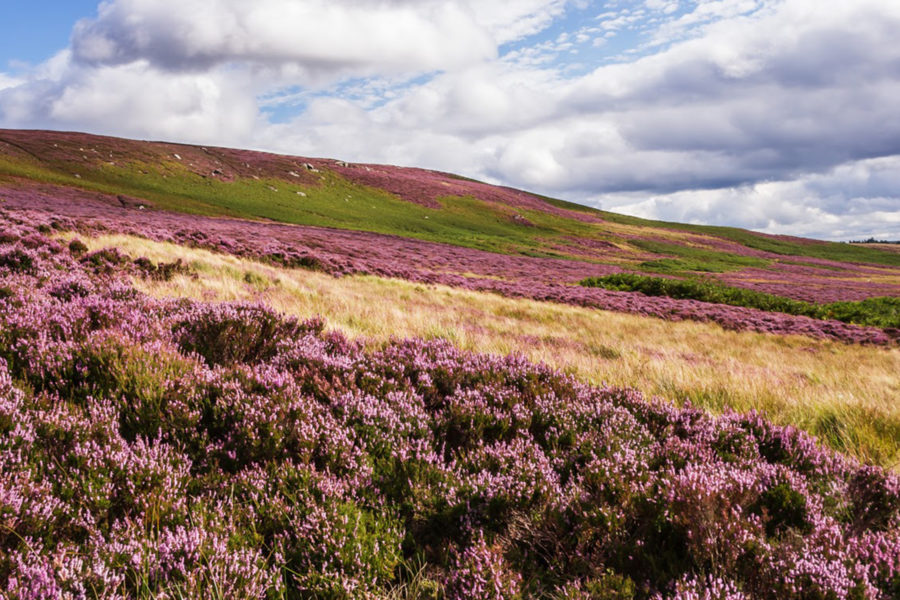
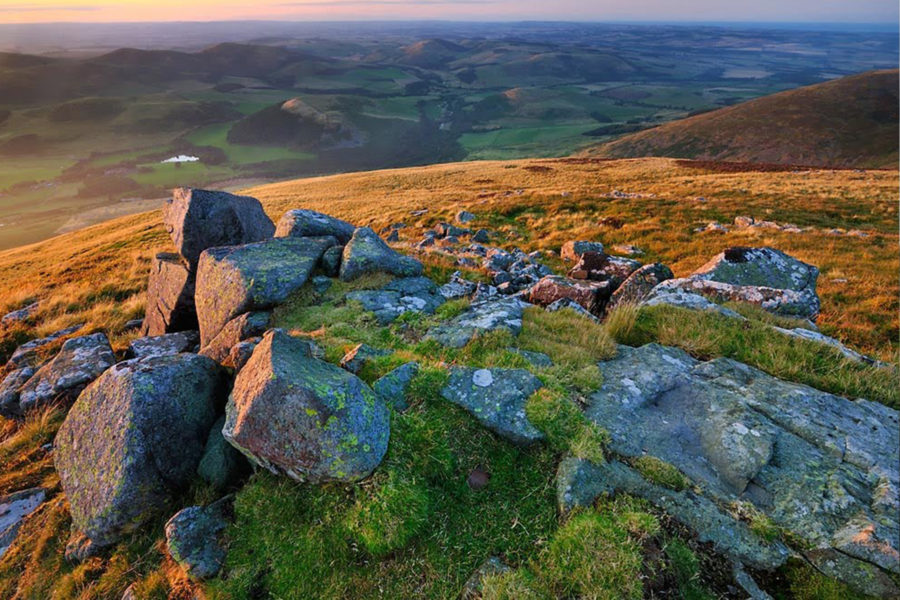
Around 70 per cent of Northumberland National Park is open moorland covered with grasses that feed sheep and cattle from more than 200 farms located within the Park. In areas like Simonside and Cheviot Hills, where sheep grazing has been restricted, purple heather cover abounds, a habitat found few other places in the world. The curlew, Britain’s biggest wading bird, breeds on the wet edges of the moors in spring.
Did You Know?

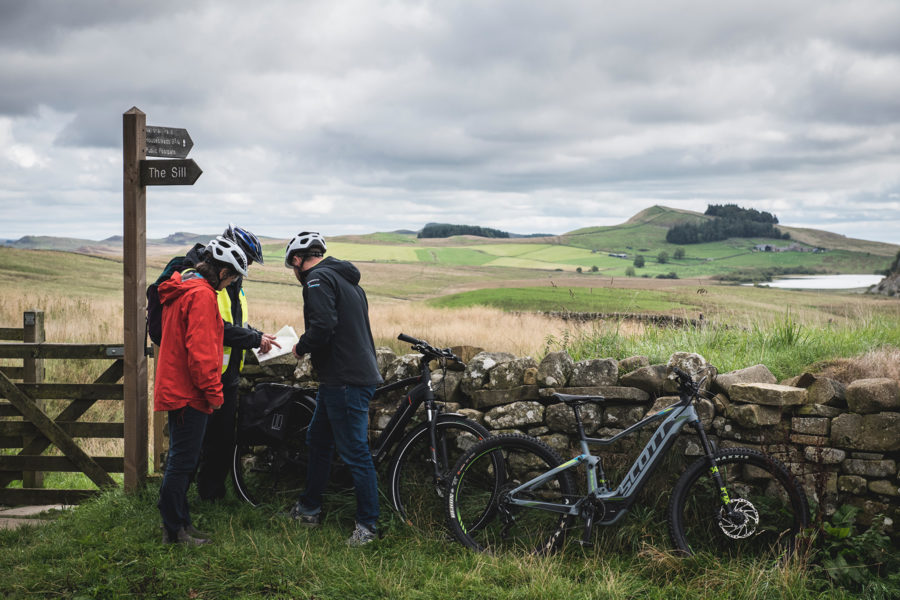
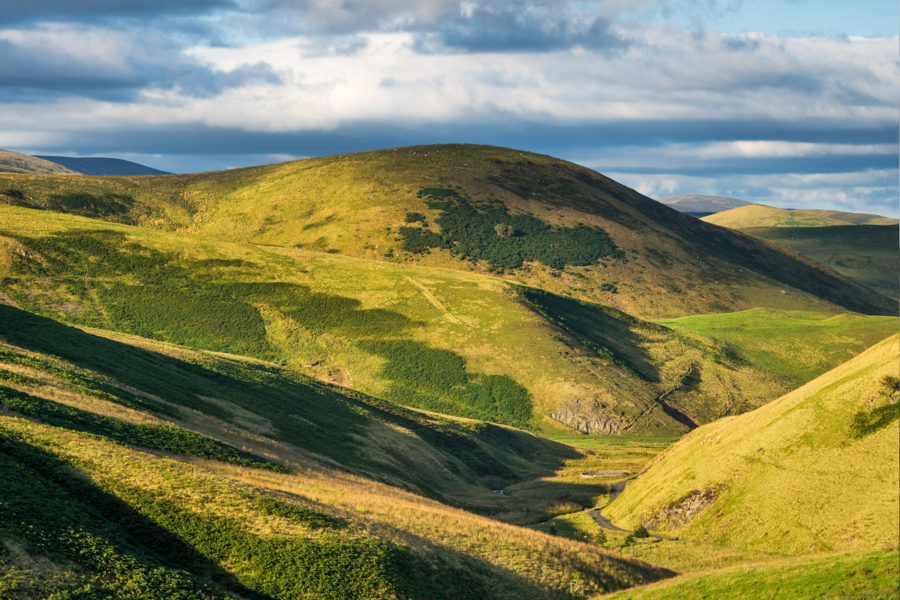
Overview
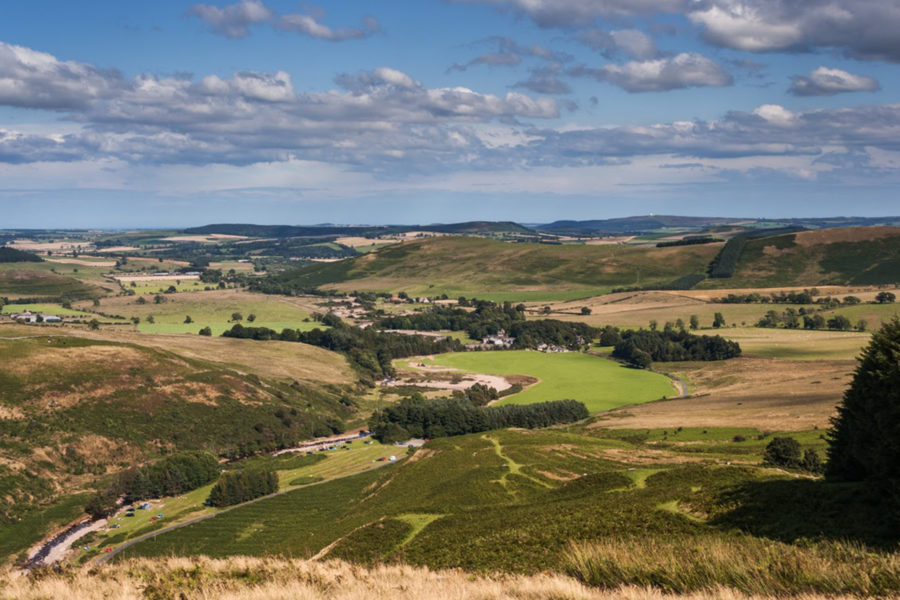
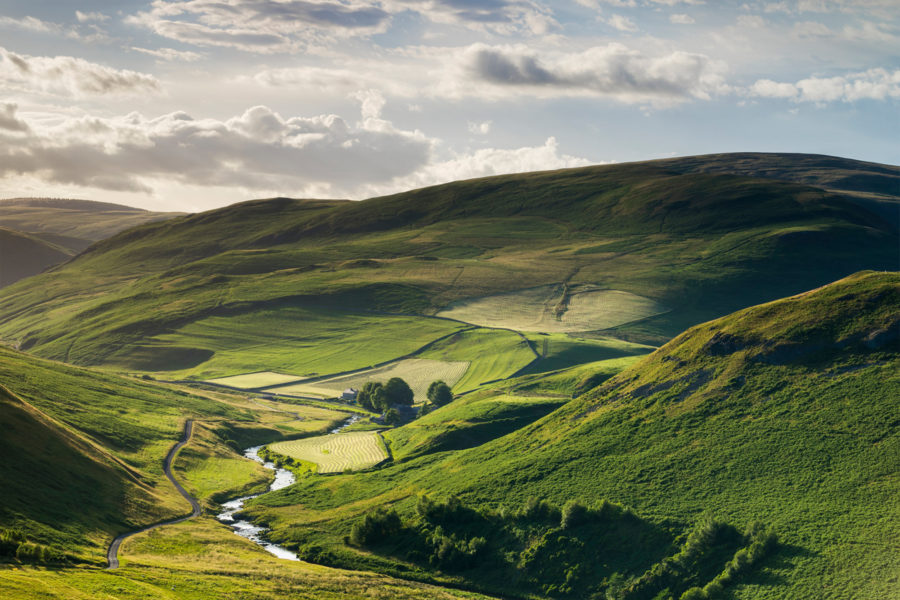
Come to the land of the far horizons for breathtaking landscape, intriguing history and a warm welcome in England’s most tranquil corner. We have more than 400 square miles of scenery in which to escape from the everyday.
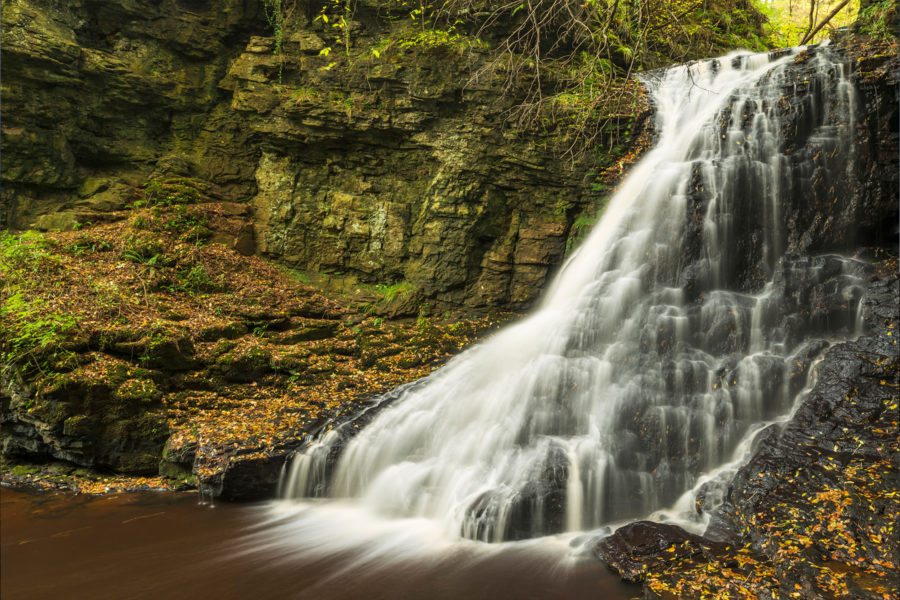
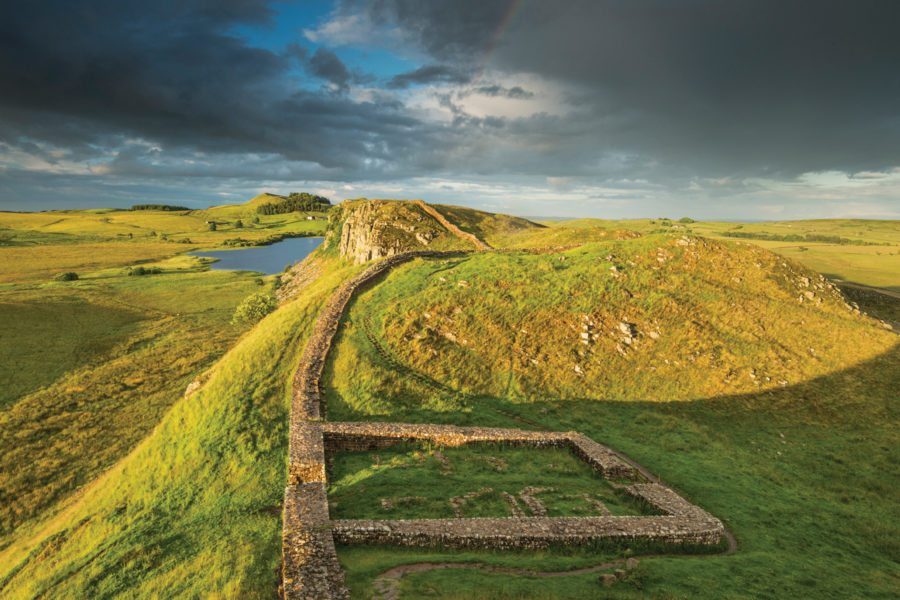
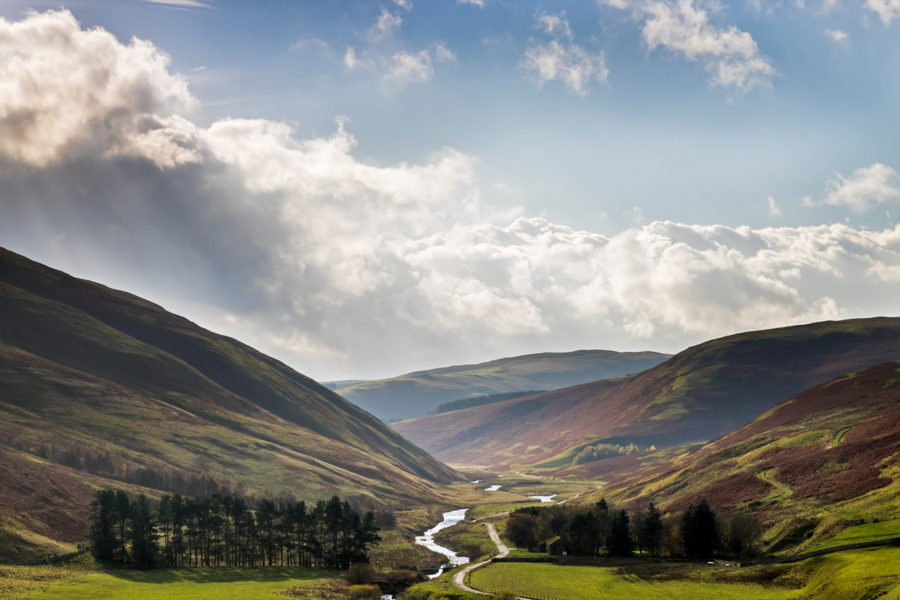
The iconic ridge of the Whin Sill with Hadrian’s Wall striding along its crest stretches along our southern boundary. To the west lies the beguiling valley of North Tyne with hay meadows and waterfalls. It neighbours the wild valley of Redesdale, site of ancient battles and defiant moorland.
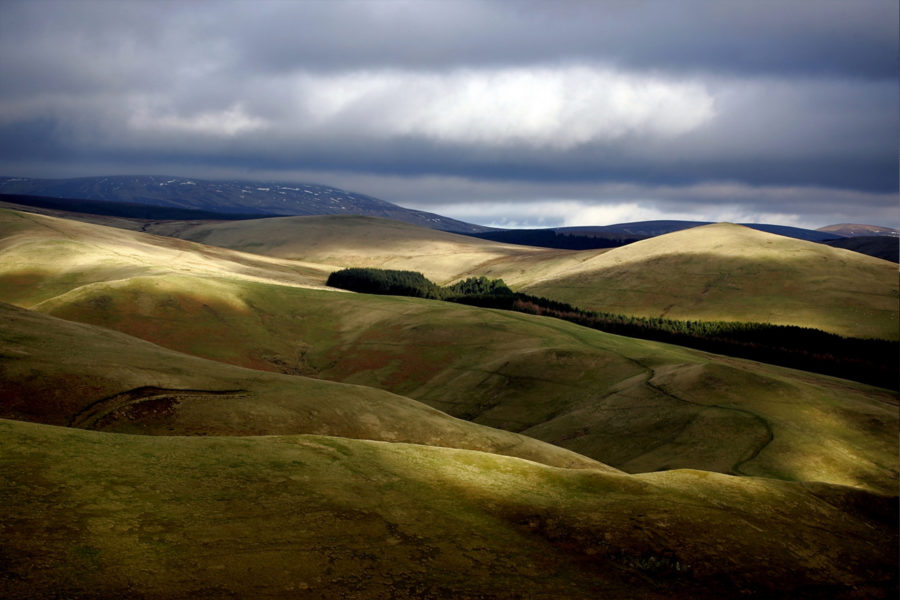
In our centre is Coquetdale, with the landmark Simonside Hills and the beautiful villages of Harbottle and Holystone. To the north towards the border with Scotland, the landscape changes again. Here are the rolling moors and grasslands of the Cheviot Hills, with their ancient hillforts and pristine rivers.
Hadrian’s Wall
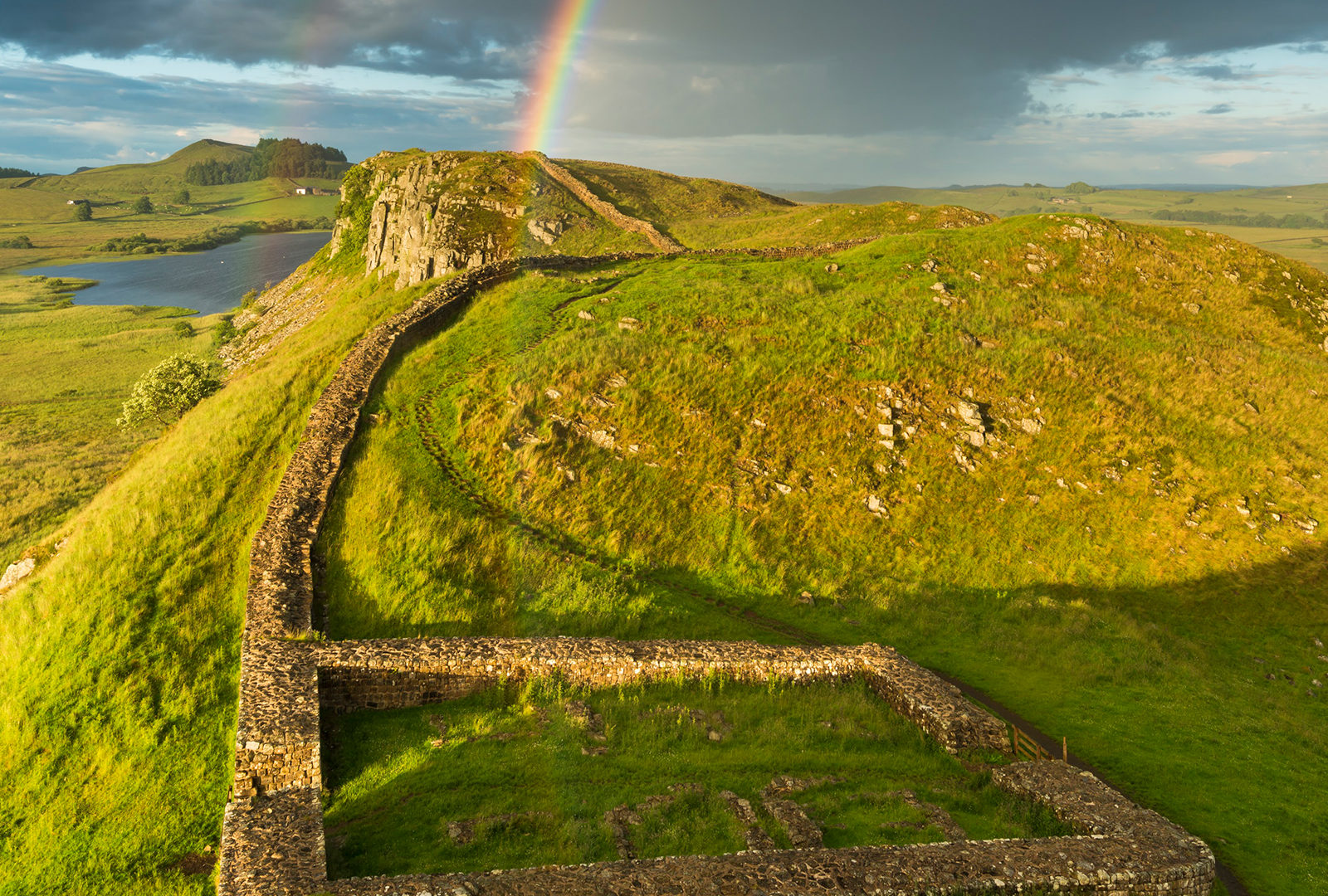
The most iconic stretches of Hadrian’s Wall can be explored by a short walk or drive from The Sill. Walk to Steel Rigg and Sycamore Gap, following the wall as it snakes through the Whin Sill landscape. Travelling west you can visit Cawfields and Walltown where you will find toilets, picnic sites and dark sky viewing platforms.

Simonside Hills
Walk along the top of Simonside where you have a 360 degree view of the Cheviot Hills and Northumberland coastline. This distinctive ridge, with its craggy profile, teems with wildlife such as the curlew, red grouse, wild goats, and red squirrels. Ancient cairns mark the summit of the ridge and below the ridge lies Lordenshaws hillfort.

The Cheviots
The Cheviots are a range of rolling hills straddling the Anglo-Scottish border between Northumberland and the Scottish Borders. Check out the dramatic waterfall of Linhope Spout or tucked-away ponds of Wooler Common and for those seeking adventure you can walk to the summit of Cheviot, Northumberland’s highest point.
🎉 Happy Exmoor Day, @exmoornp!
Today, Exmoor National Park celebrates years of connecting people with nature, wildlife and the great outdoors.
From England’s largest wild red deer herd and native ponies to Europe’s first International Dark Sky Reserve and dramatic landscapes, Exmoor is a place full of life, history and discovery.
Its landscapes, wildlife and historic villages bring people closer to nature and create opportunities to explore, connect and enjoy the benefits of being outdoors.
Here’s to Exmoor – and many more adventures to come! 💚
#Exmoor #ExmoorNationalPark #NationalParksUK


Happy birthday @parc_eryri 🎂
From its towering peaks and sweeping valleys to its rich heritage, Eryri (Snowdonia) is a place that means so much to so many people.
It`s a landscape full of stories, shaped by generations of people and home to some of Wales` most treasured places, from the summit of Yr Wyddfa to the quieter corners.
Today, we`re celebrating everything that makes Eryri unique, from the people and traditions that give it its character to the ongoing work to protect its landscapes and wildlife.
Share your favourite memories of Eryri in the comments! 💬
📸Ogwen Valley, Snowdonia @cinqueportsphotography
#Eryri #EryriNationalPark #TheAnswerIsNationalParks

Autumn is a chance to give nature a helping hand. 🍂
From leaving fallen leaves to providing food for birds, small actions can make a big difference to the world around us.
Here are some of the ways to help nature this season.
#NatureRecovery #Autumn #NationalParks

An ancient wall almost 2,000 years old, and a catch-up with your mate? ✅
Historic landmarks like Hadrian’s Wall in Northumberland National Park have been connecting people for centuries.
While that connection looks very different today from the wall’s original role as a Roman defensive fortification, it’s still a place where people come together and explore history.
Because our National Parks are about so much more than great places for a day out. They’re places to connect with friends, clear your head, get active and learn about history, all in one place.
#Northumberland #HadriansWall #NationalParksUK

They’re more than just pretty places. 🌳
Our National Parks are home to some incredible trees, from ancient giants to England’s tallest tree.
Swipe through for a few #WildFacts about the trees growing across our 15 National Parks.
#NationalParksUK #Trees #Woodland

National Parks are places where animals make their homes, people catch up over coffee, and we pause to marvel at the dark skies above.
Places to connect, discover and look a little closer.
We’d love to see your images of autumn in action in a National Park. Tag us or use the hashtag #AutumnInAction 🧡
#NationalParks #Autumn

What if Middle-earth’s Rangers had more in common with National Park Rangers than we might think?
Of course, our National Park Rangers have a little less to worry about than Aragorn and his fellow Rangers.
But they do both know their landscapes well, protect the places they love and guide others to find their way.
Across the UK’s 15 National Parks, our Rangers are taking action every day. They may not be defending the Shire from the forces of darkness, but they certainly do an incredibly important job. 💚
#MiddleEarth #Rangers #NationalParksUK

15 National Parks. One shared challenge. Our climate is changing, and with it comes an increased risk of wildfire across our landscapes.
That’s why we’ve committed to taking action through our new Wildfire Management Position Statement. Together, the National Parks will work to support nature recovery to help manage wildfire risk, plan for and strengthen wildfire response and coordination, improve risk management and preparedness, and share clear, consistent public messaging.
But we can’t do it alone.
Communities, organisations, land managers and visitors all have a role to play in reducing wildfire risk. By working together, we can help protect our National Parks and prepare for a future where hotter, drier weather may increase the risk of wildfire.
Read the full statement by clicking on the link in our bio 🔗
Photos:
Slide 1 - Fighting the Glenmore wildfire, © Ed Smith. Slide 2 - Fighting the Glenmore wildfire, © Malcolm Smith. Slide 3 - View across Loch Morlich during Glenmore wildfire, July 2026, © Brenna Jessie. Slide 4 - Fighting the Glenmore wildfire, © Malcolm Smith. Slide 5 - View from the cab of a tractor aiding in fighting the wildfire in the Cairngorms National Park, CPNA. Slide 5 - Firefighting vehicles at the Glenmore wildfire, © Malcolm Smith.
#Wildfires #NationalParksUK
