Visit National Parks
Be more
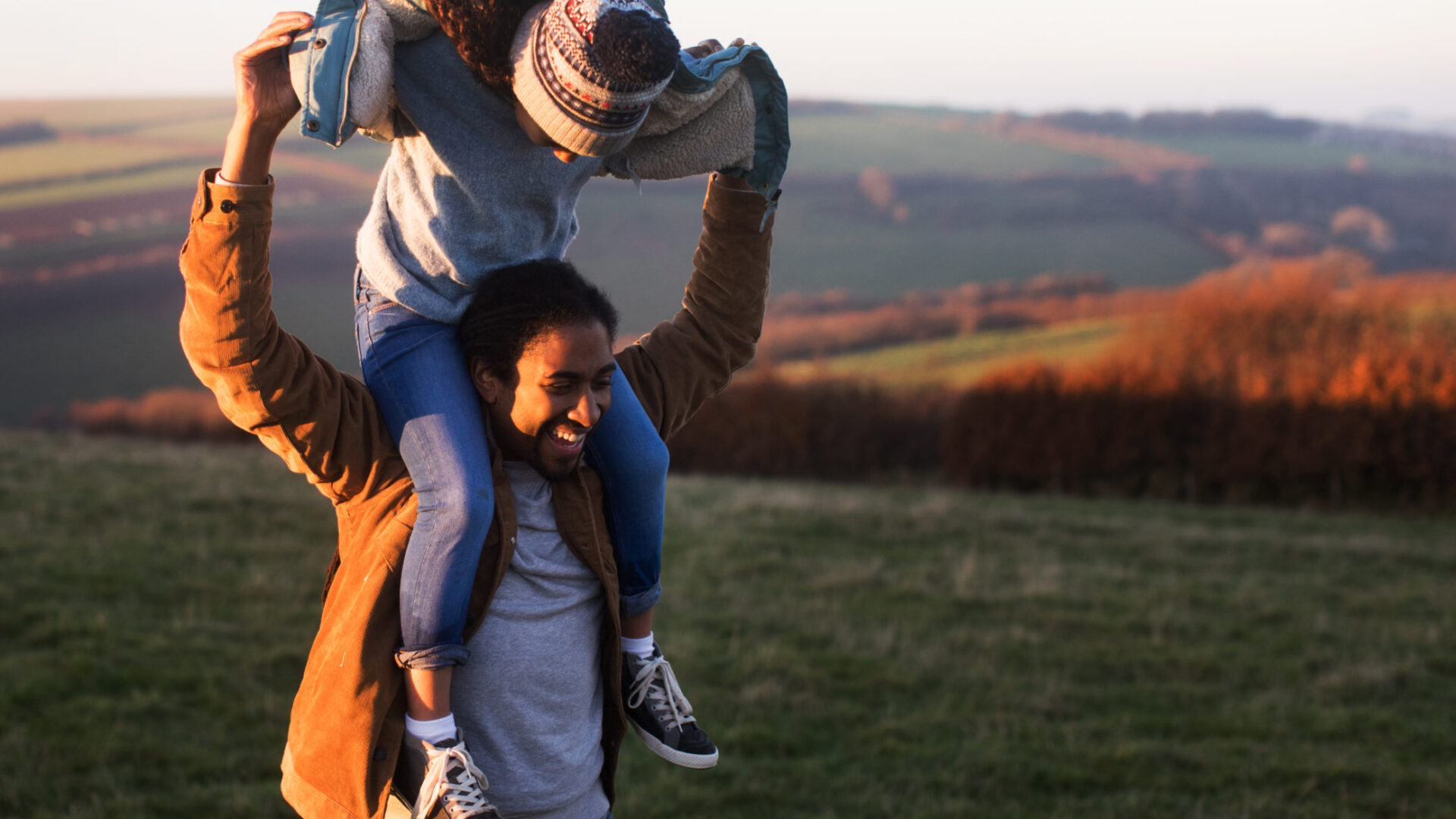
We can all be more outside. More healthy, more creative, more in touch with the natural world and each other. Our connection to nature is part of being human and that instinct has led to record numbers of people visiting National Parks in recent years, many of them for the first time.
We’re delighted that more people are exploring how to be more outside: whether that’s by visiting National Parks or getting out into green spaces closer to home. This page is especially focused on helping new visitors get the most out of their adventures and perhaps is a useful reminder to some regular visitors too.
Did you know?
Dress the part
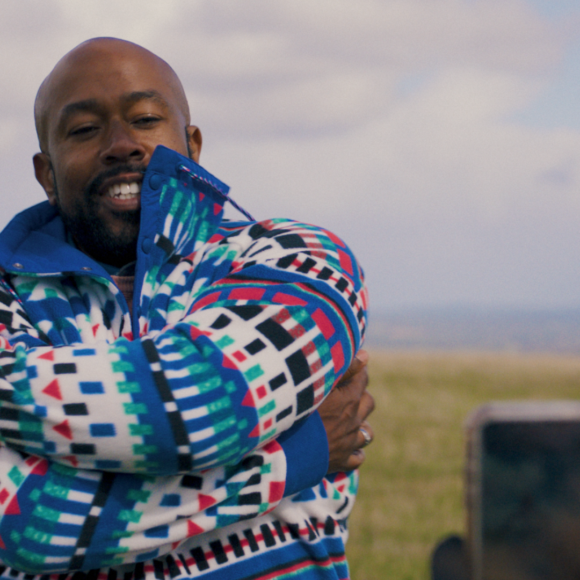
They say there’s no such thing as bad weather, only unsuitable clothing. You don’t need to spend big bucks on top of the range technical gear to explore National Parks. You do need to be able to carry suitable clothing for the conditions you might face. Check with National Parks for their advice on what you might need depending on your plans and the season. Hot and sunny in a valley can quickly turn to cold and wet if you climb just a few hundred feet.
Getting there
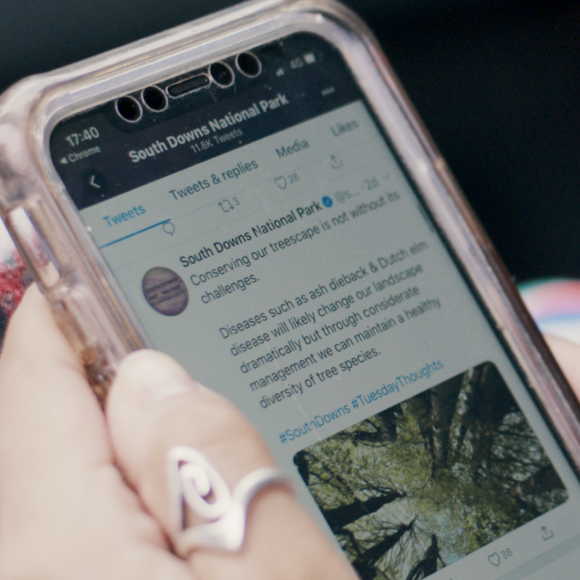
If you are travelling by car it’s important to check that parking is available at your intended destination. Check the website of the National Park you are visiting. Most National Parks will update you on availability via social media. It’s always worth considering using public transport as this is often the best way to guarantee you can get to where you are going…and it’s more environmentally sustainable.
Q. Do you have to pay to get into a National Park?
Not in the UK. Our National Parks were founded in the same post war social reforms that saw the creation of council housing and the NHS. They are free at the point of access and are also the homes and workplaces of millions of UK citizens.
Q. What is the Countryside Code?
Whenever you are visiting the countryside, it’s important to follow the Countryside Code. This helps keep you safe and also protects the wildlife and landscapes that you’re visiting. You can download a short version here. Scotland has its own version called the Outdoor Access Code which you can find here.
Q: Who collects the rubbish?
National Parks Authorities don’t actually own much of the land or infrastructure in National Parks. If you put your rubbish in a bin it will usually be the local authority that collects it. If you drop it in the countryside it is no one’s job to pick it up. A volunteer might, or a member of the public, but just as likely it’ll be a rare bird, a squirrel or a deer. Come to National Parks with the plan to take all your rubbish home.
Q. But it’s OK to drop biodegradable waste like banana skins in the countryside, isn’t it?
Nope. That skin will take ages to decompose and until then it is something in the natural environment that shouldn’t be there. Take it home too. Make a pledge to yourself before you go to a National Park that when you leave no one will be able to tell you’ve visited.
Know the way
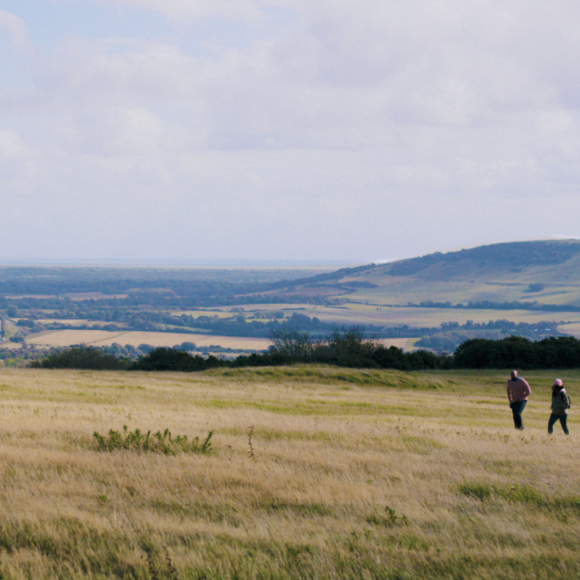
You can’t rely on having a phone signal in National Parks let alone WiFi…even on well trodden paths. The most experienced outdoor adventurers would never rely on a single means of navigation – and they might be sporting a GPS watch that cost thousands of pounds. The National Parks all have great routes, guides and maps. Many of these are designed especially for the least experienced walker and map reader. Don’t set off without one.
Q. Are there Rangers around to help me if I get lost?
National Parks do employ Rangers – in Scotland they are called Wardens – their role is involves a broad range of things but one of them is not to roam the National Park acting as guides; there’s just too much ground to cover with National Parks accounting for 10% of the landmass of the UK.
Q. Can I get WiFi in National Parks?
Not unless its supplied by your accommodation or the pub you’re sitting in. You might not even get a phone signal.
Q. Should I always shut gates in the countryside?
The Countryside Code says that gates should be left the way you find them. If they are open, leave them open.
Q. As a taxpayer I can camp or party all night long in National Parks, right?
National Parks Authorities don’t actually own much of the land in National Parks. Most of it is privately owned and a great deal of it is particularly sensitive: either historically important or as a home for nature. You need to follow the guidance given by each National Park about camping, it can be quite restrictive but that’s with good reason. National Parks are definitely not festival sites.
Parks for all
Getting around
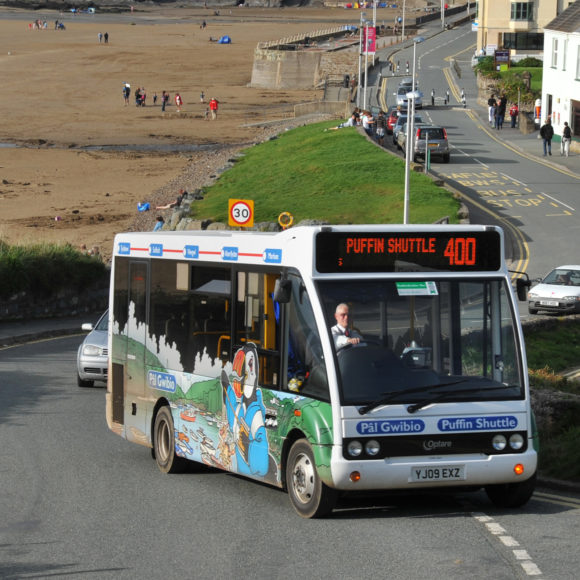
Even if you’re driving to a National Park it’s worth considering public transport as the last link in your journey. All of the National Parks have great guides and links to all the information you will need. And think about making the journey part of the adventure. Ferries, e-bikes, traditional bus routes and railways make for magical memories and a different way to connect with nature.

A bed for the night
You can find accommodation to suit every budget and taste in the National Parks. There are luxury hotels, cosy rental cottages, traditional family run B&B’s and of course the best way to get closest to nature – camping. Just make sure you check on local restrictions and permissions. Youth hostels are a great, cost effective option, and not just for the young traveller. They often have friendly, knowledgeable staff who can help you explore.
Q. Can I have a camp fire to warm up or brew some tea?
Definitely not. Fires damage the landscape even if they are kept under control. Wildfires cause irreparable damage every year and endanger life and property. They can last for days.
Q. BBQs are OK though aren’t they? That’s what those disposable ones are for surely?
Leave the BBQ at home! Those wildfires…most of them are caused by BBQs, especially the single use ones. Some National Parks have started a campaign to ban them, they smoulder for ages and couldn’t be better at starting wildfires if they’d been specially designed for the task.
Q. Can I bring my dog to a National Park?
Please do, they’ll love it too. You need to keep them under control though and put a lead on when signs tell you to. There’s loads of areas with ground nesting birds and even the best behaved dogs will struggle to curb their natural instincts. And it goes without saying, if your dog does a poo – anywhere – bag it and bin it.
Explore your self
National Parks are designed - exist - to help you do new things, collect new experiences, make memories. They are the ideal place to try something new. No gear? No idea? No problem! The National Parks are full of people and organisations who love to introduce newbies to the hobby or landscapes they are passionate about. They'll supply the kit and know how. All you've got to do...is you.
15 National Parks. One shared challenge. Our climate is changing, and with it comes an increased risk of wildfire across our landscapes.
That’s why we’ve committed to taking action through our new Wildfire Management Position Statement. Together, the National Parks will work to support nature recovery to help manage wildfire risk, plan for and strengthen wildfire response and coordination, improve risk management and preparedness, and share clear, consistent public messaging.
But we can’t do it alone.
Communities, organisations, land managers and visitors all have a role to play in reducing wildfire risk. By working together, we can help protect our National Parks and prepare for a future where hotter, drier weather may increase the risk of wildfire.
Read the full statement by clicking on the link in our bio 🔗
Photos:
Slide 1 - Fighting the Glenmore wildfire, © Ed Smith. Slide 2 - Fighting the Glenmore wildfire, © Malcolm Smith. Slide 3 - View across Loch Morlich during Glenmore wildfire, July 2026, © Brenna Jessie. Slide 4 - Fighting the Glenmore wildfire, © Malcolm Smith. Slide 5 - View from the cab of a tractor aiding in fighting the wildfire in the Cairngorms National Park, CPNA. Slide 5 - Firefighting vehicles at the Glenmore wildfire, © Malcolm Smith.
#Wildfires #NationalParksUK


It’s not every day you get to see one of our National Parks in biscuit form on @britishbakeoff!
Last night, The Great British Bake Off contestant @itsdoctoryan created a beautiful biscuit mosaic inspired by the Broads National Park, perfectly capturing the view at St Benet’s Mill, Thurne.
And it wasn’t just a feast for the eyes as the mosaic was made using treacle and ginger, honey and lemon, cocoa and malted milk, and pistachio biscuits.
Two great things combined: a beautiful National Park view and delicious biscuits. What could be better than that? 💚
Photo: Channel 4
#GBBO #BakeOff #NorfolkBroads @broadsnationalpark

You’ve likely heard of one - but what does it actually do?
Our 15 Parks wouldn’t be able to function without the authorities working behind the scenes to keep them running.
And each authority relies on people. People within the community, volunteers, staff and members. People that run businesses, or partner as organisations. People that are skilled and knowledgeable in a variety of areas from wildlife to accessibility.
Our National Parks are full of people and action, and it’s the Authorities that bring them all together.
💚
#NationalParksUK #NationalParkAuthorities

The Yorkshire Dales has one of the highest concentrations of caves and caverns of any of our 15 National Parks - a whole landscape hiding beneath the ground.
Our National Parks don’t just protect and preserve the landscapes we see every day. They also help care for historic and unique places discovered by our ancestors, like Ingleborough Cave and Gaping Gill, both of which were shrouded in myth and legend until they were explored by Victorians in the 1800s.
There’s so much more to our National Parks than meets the eye and sometimes, quite literally beneath the surface 👀
#YorkshireDales #GapingGill #Ingleborough

A week on from National Parks UK’s Big Volunteer Weekend, we’re still celebrating the people who make a difference across our National Parks.
Last weekend, hundreds of people came together across all 15 National Parks to give their time, share their skills and support our landscapes.
But volunteering in our National Parks doesn’t happen just one weekend a year. All year round, volunteers play an incredible variety of roles – from leading guided walks and supporting education, to conservation, planting and caring for our landscapes.
Every volunteer makes a valuable contribution to protecting our natural and cultural heritage. We simply couldn’t do what we do without you. 💚
So, to all our volunteers: thank you for your time, energy, enthusiasm and everything you bring to our National Parks.
If you know someone who volunteers in a National Park, help us spread the thanks by sharing this post. 🌿
#Volunteers #NationalParks #NationalParksUK

Mae’r Bele yn un o famaliaid prinnaf Cymru, ond mae eu niferoedd yn tyfu yn raddol. Mae hynny’n newyddion da i’n coetiroedd ac i’r Parciau Cenedlaethol, sy’n darparu rhai o’r cynefinoedd pwysicaf ar gyfer bywyd gwyllt ledled Cymru a Phrydain.
Ym Mannau Brycheiniog, mae’r prosiect adfer wedi gosod blychau nythu yn y coed, ac mae gwaith monitro wedi nodi presenoldeb y Bele, gan gynnwys grwpiau teuluol. Mae’r ffilm arbennig hon yn dangos un ohonynt ar waith. 🐾
Mae’n atgof hyfryd o’r hyn sy’n bosibl pan ddaw coetiroedd iach a gwaith cadwraeth arbenigol at ei gilydd i roi’r gofod sydd ei angen ar rywogaethau prin i wella.
Pine Martens are one of Wales’ rarest mammals, but they’re slowly making a comeback. That’s good news for our woodlands, and for National Parks, which provide some of the most important habitats for wildlife across Wales and Britain.
In Bannau Brycheiniog (the Brecon Beacons), the recovery project has installed treetop den boxes, with monitoring identifying pine martens, including family groups. This special footage shows one in action. 🐾
It’s a lovely reminder of what can happen when healthy woodlands and specialist conservation work come together to give rare species the space they need to recover.
#BreconBeacons #BannauBrycheiniog #PineMartins #Wales

It’s the Autumn Equinox 🍂
Our National Parks are always changing in time with the rhythm of nature, but this becomes particularly noticeable when autumn arrives.
Deer begin to rut, spiders’ cobwebs glisten in the fresh light, fungi become more prominent, and leaves begin to change colour.
What changes have you noticed so far? 🧡
#Autumn #AutumnEquinox #NationalParks

“You look after the National Park not for yourself, but for people who are coming, the ones who are following you.”
These are the words of Ron Wood, who has been volunteering for the Lake District National Park for over 60 years. His story reflects the vital role volunteering plays across our National Parks: keeping them thriving, communities invested, and people connected to and caring for our landscapes.
Over the decades, Ron’s incredible journey has seen him remain steadfast in his commitment through droughts, hand, foot and mouth disease, and the ever-changing rhythms of nature. Through it all, one thing has remained constant: his dedication to looking after the environment for those who come after him.
You can read Ron`s full story by clicking the link in our bio or learn more about volunteering at nationalparks.uk/volunteering 🔗
📸Photos by @lakedistrictnpa
#LakeDistrict #Volunteering #NationalParks
