Inspiration – for everyone
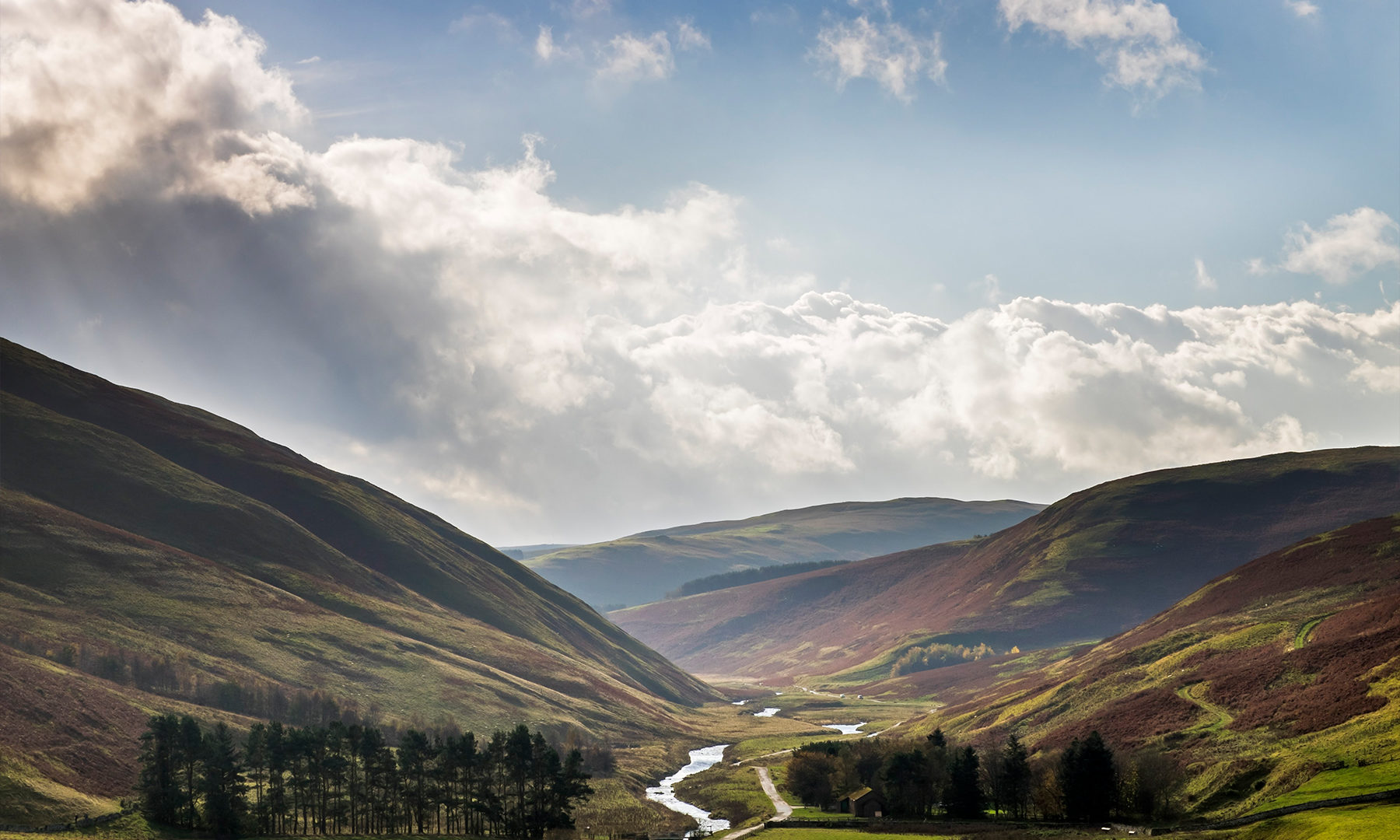
World-class landscapes with the power to inspire everyone, they’ve been designated on behalf of the entire nation because of their special qualities.
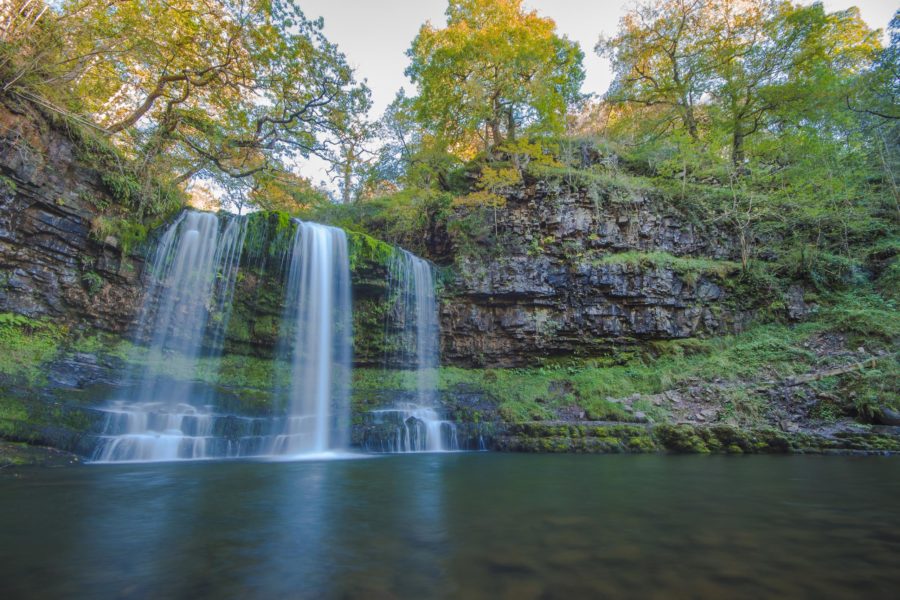
Stunning natural beauty, beautiful wildlife and fascinating cultural heritage make these living and working landscapes truly unique.
One big family
There are 15 National Parks in the UK and each one has been designated as a protected landscape because of its special qualities.
Each National Park is different and remarkable in its own way, but all work together as part of a big family.
Here are five simple facts to put you in the picture!
There are 10 National Parks in England, three in Wales and two in Scotland, they are:
- England – Broads, Dartmoor, Exmoor, Lake District, New Forest, Northumberland, North York Moors, Peak District, South Downs and Yorkshire Dales.
- Wales – Bannau Brycheiniog (Brecon Beacons), Pembrokeshire Coast, and Eryri (Snowdonia).
- Scotland – Cairngorms and Loch Lomond & The Trossachs.
Each National Park is administered by its own authority, but that authority does not own all of the land in the Park.
The 15 National Parks have thousands of kilometres of public rights of way over 1,300km of which is designated as suitable for those of us with accessibility issues – giving people incredible opportunities to explore these amazing spaces.
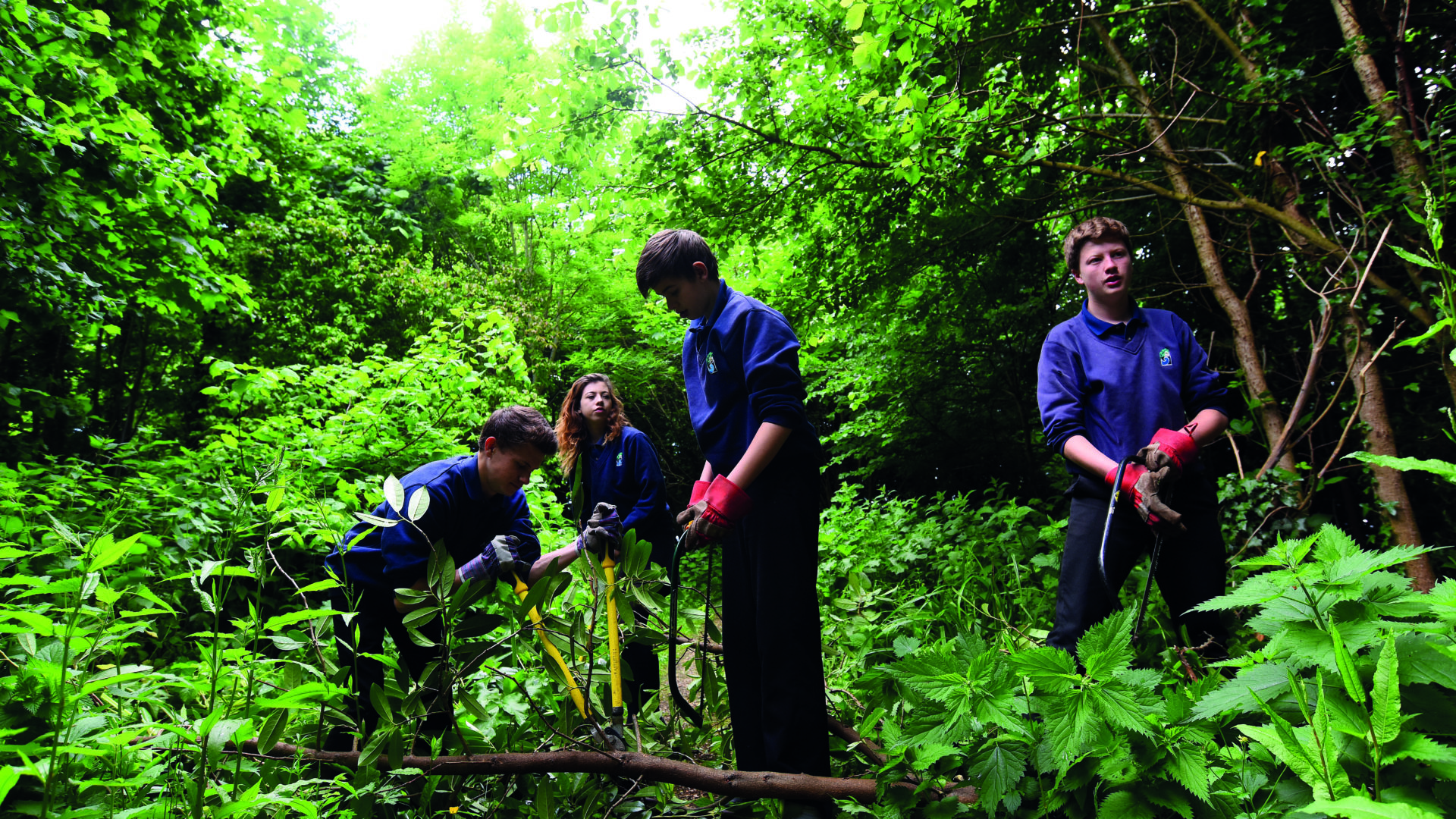
The UK’s National Parks are oases for wildlife – hosting over 330 conservation projects in 2019/20. We work together as National Parks UK – working in unison for the benefit of nature and people.
Did you know?
Not ours – but ours to look after
Conservation, enhancement, sustainability, enjoyment – four words that sit at the heart of all National Parks.
Funded by central government, National Parks have specific purposes that are enshrined in law.
In England and Wales they are:
- Conserve and enhance the natural beauty, wildlife and cultural heritage.
- Promote opportunities for the understanding and enjoyment of the special qualities of national parks by the public.
In carrying out these purposes, National Park Authorities are also required to seek to foster the economic and social well-being of local communities in the National Park.
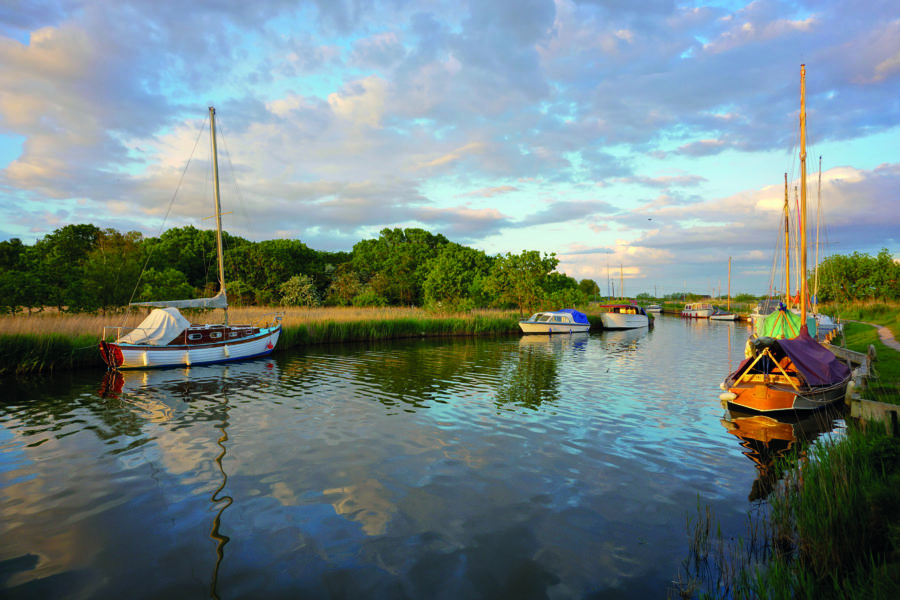
In the case of the Broads there is an additional purpose, namely protecting the interests of navigation, and all three purposes are given equal priority.
For the Scottish Parks there are four aims:
- To conserve and enhance the natural and cultural heritage of the area.
- To promote sustainable use of the natural resources of the area.
- To promote understanding and enjoyment (including enjoyment in the form of recreation) of the special qualities of the area by the public.
- To promote sustainable economic and social development of the area’s communities.
With the exception of the Broads National Park, if there’s a conflict between a park’s purposes, greater weight has to be given to the first purpose.
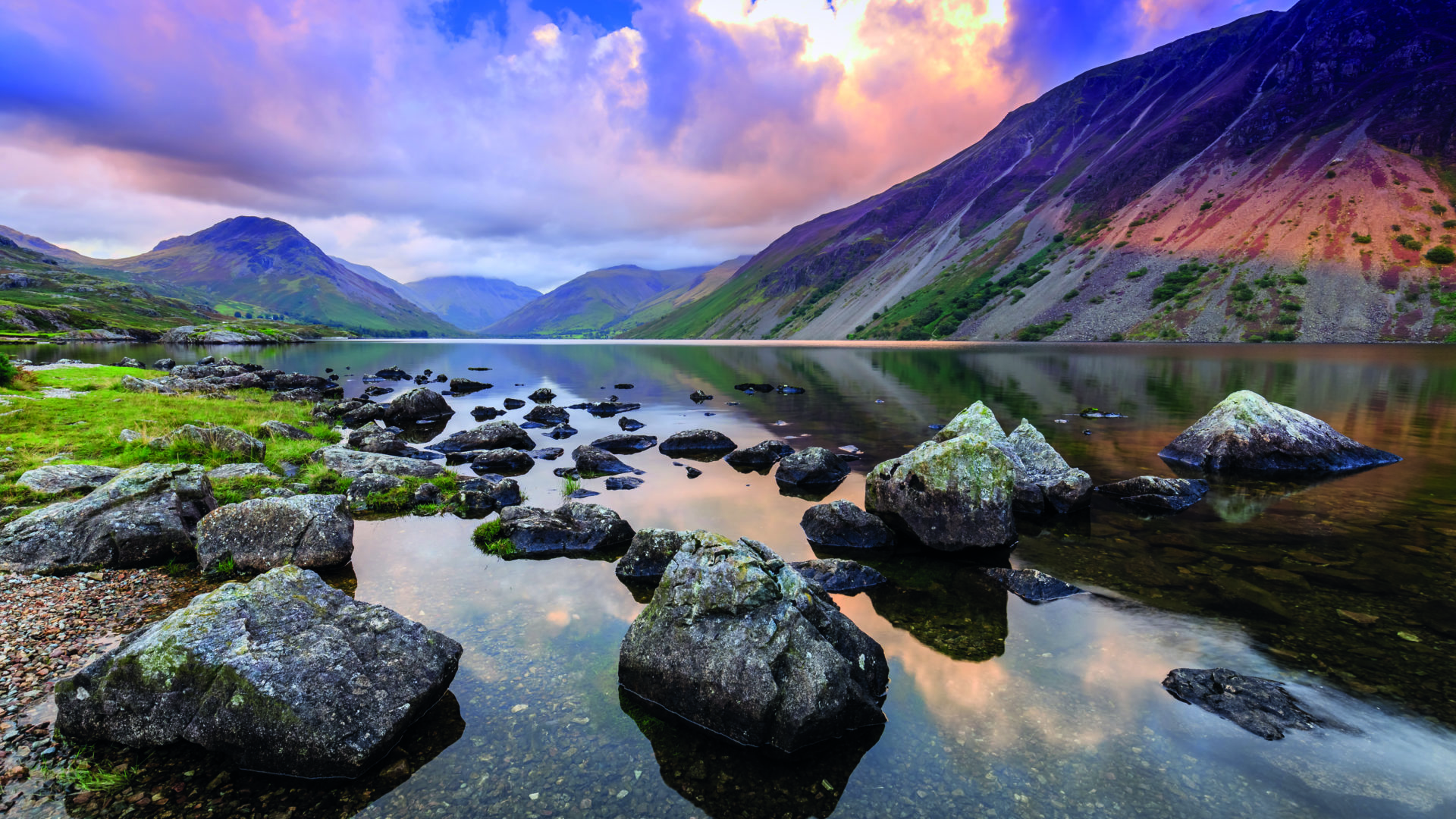
Discover more
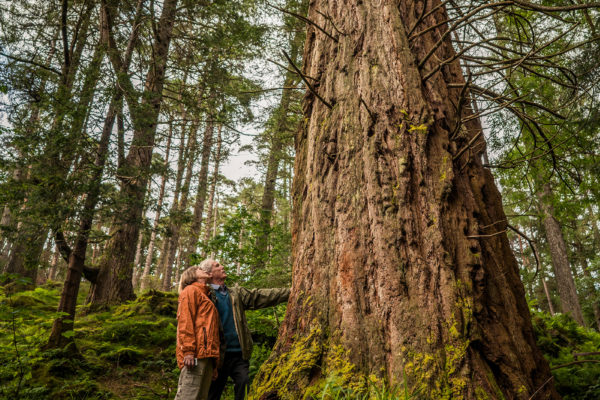
Special Qualities , Find out more
Discover the Special Qualities of National Parks and why they are the UKs most inspiring landscapes.
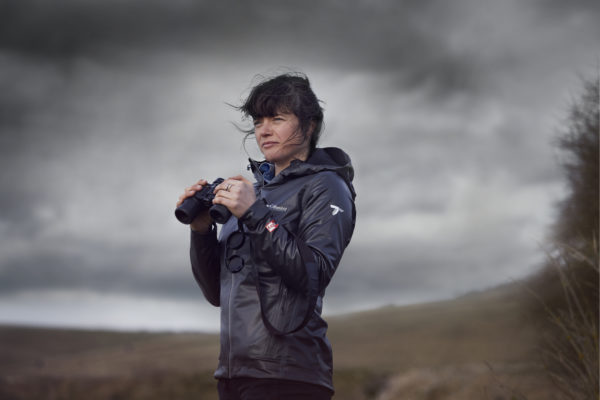
Our Rangers , Find out more
Find out about our Rangers.
Green recovery , Find out more
Find out about Green Recovery across UK National Parks.
Happy birthday @parc_eryri 🎂
From its towering peaks and sweeping valleys to its rich heritage, Eryri (Snowdonia) is a place that means so much to so many people.
It`s a landscape full of stories, shaped by generations of people and home to some of Wales` most treasured places, from the summit of Yr Wyddfa to the quieter corners.
Today, we`re celebrating everything that makes Eryri unique, from the people and traditions that give it its character to the ongoing work to protect its landscapes and wildlife.
Share your favourite memories of Eryri in the comments! 💬
📸Ogwen Valley, Snowdonia @cinqueportsphotography
#Eryri #EryriNationalPark #TheAnswerIsNationalParks


Autumn is a chance to give nature a helping hand. 🍂
From leaving fallen leaves to providing food for birds, small actions can make a big difference to the world around us.
Here are some of the ways to help nature this season.
#NatureRecovery #Autumn #NationalParks

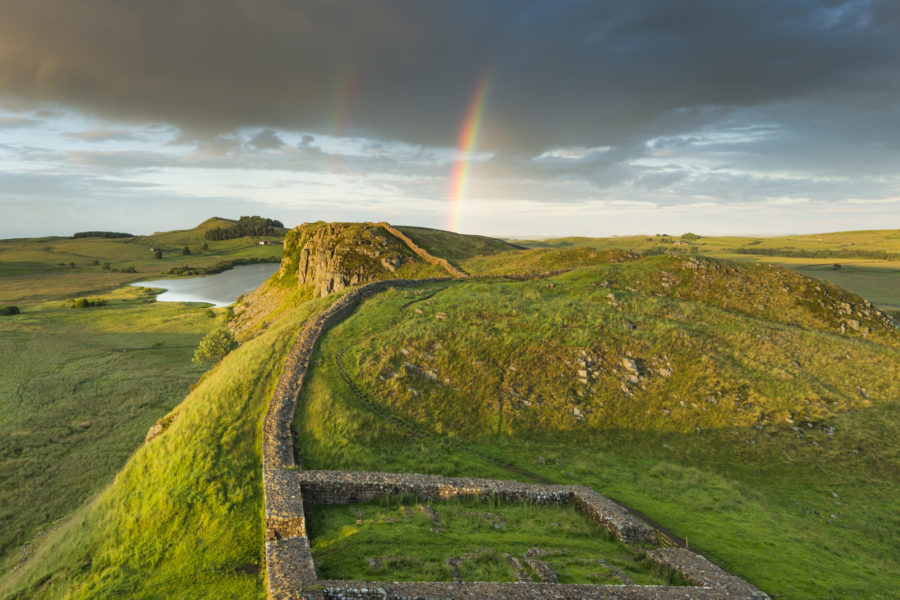
An ancient wall almost 2,000 years old, and a catch-up with your mate? ✅
Historic landmarks like Hadrian’s Wall in Northumberland National Park have been connecting people for centuries.
While that connection looks very different today from the wall’s original role as a Roman defensive fortification, it’s still a place where people come together and explore history.
Because our National Parks are about so much more than great places for a day out. They’re places to connect with friends, clear your head, get active and learn about history, all in one place.
#Northumberland #HadriansWall #NationalParksUK

They’re more than just pretty places. 🌳
Our National Parks are home to some incredible trees, from ancient giants to England’s tallest tree.
Swipe through for a few #WildFacts about the trees growing across our 15 National Parks.
#NationalParksUK #Trees #Woodland

National Parks are places where animals make their homes, people catch up over coffee, and we pause to marvel at the dark skies above.
Places to connect, discover and look a little closer.
We’d love to see your images of autumn in action in a National Park. Tag us or use the hashtag #AutumnInAction 🧡
#NationalParks #Autumn

What if Middle-earth’s Rangers had more in common with National Park Rangers than we might think?
Of course, our National Park Rangers have a little less to worry about than Aragorn and his fellow Rangers.
But they do both know their landscapes well, protect the places they love and guide others to find their way.
Across the UK’s 15 National Parks, our Rangers are taking action every day. They may not be defending the Shire from the forces of darkness, but they certainly do an incredibly important job. 💚
#MiddleEarth #Rangers #NationalParksUK

15 National Parks. One shared challenge. Our climate is changing, and with it comes an increased risk of wildfire across our landscapes.
That’s why we’ve committed to taking action through our new Wildfire Management Position Statement. Together, the National Parks will work to support nature recovery to help manage wildfire risk, plan for and strengthen wildfire response and coordination, improve risk management and preparedness, and share clear, consistent public messaging.
But we can’t do it alone.
Communities, organisations, land managers and visitors all have a role to play in reducing wildfire risk. By working together, we can help protect our National Parks and prepare for a future where hotter, drier weather may increase the risk of wildfire.
Read the full statement by clicking on the link in our bio 🔗
Photos:
Slide 1 - Fighting the Glenmore wildfire, © Ed Smith. Slide 2 - Fighting the Glenmore wildfire, © Malcolm Smith. Slide 3 - View across Loch Morlich during Glenmore wildfire, July 2026, © Brenna Jessie. Slide 4 - Fighting the Glenmore wildfire, © Malcolm Smith. Slide 5 - View from the cab of a tractor aiding in fighting the wildfire in the Cairngorms National Park, CPNA. Slide 5 - Firefighting vehicles at the Glenmore wildfire, © Malcolm Smith.
#Wildfires #NationalParksUK

It’s not every day you get to see one of our National Parks in biscuit form on @britishbakeoff!
Last night, The Great British Bake Off contestant @itsdoctoryan created a beautiful biscuit mosaic inspired by the Broads National Park, perfectly capturing the view at St Benet’s Mill, Thurne.
And it wasn’t just a feast for the eyes as the mosaic was made using treacle and ginger, honey and lemon, cocoa and malted milk, and pistachio biscuits.
Two great things combined: a beautiful National Park view and delicious biscuits. What could be better than that? 💚
Photo: Channel 4
#GBBO #BakeOff #NorfolkBroads @broadsnationalpark
